Fütûhât-ı Mekkiyye

Yazma cildi 20 · Sayfa 174

Konya yazması

Arapça kaynağı açİngilizce çeviriyi aç

Arapça

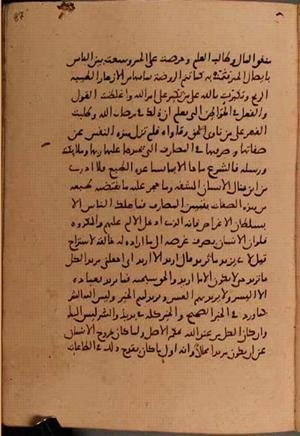
منفق المال وطالب العلم، وحرصت على الخير، وسعت بين الناس بإيصال الخير، فنمّت به كما تنم الروضة بما فيها من الأزهار الطيبة الريح.

وتكبرت بالله على من تكبر على أمر الله، وأغلظت القول والفعل في المواطن التي تعلم أن ذٰلك في مرضاة الله، وطلبت القهر على من ناوأ الحق وقاواه؛ فلم تزل هذه النفس عن صفاتها وصرفتها في المصارف التي يحمدها عليها ربها وملائكته ورسله.

فالشرع ما جاء إلا بما يساعده الطبع؛ فلا أدري من أين ينال الإنسان المشقة، وما حجر عليه ما يقتضيه طبعه من هذه الصفات بتبيين المصارف؛ فما هلك الناس إلا بسلطان الأغراض، فإنه الذي أدخل الألم عليهم والمكروه؛ فلو أن الإنسان يصرف غرضه إلى ما أراده له خالقه، لاستراح.

(الإرادة والتخلص من الأغراض)

قيل لأبي يزيد: «ما تريد؟» قال: «أريد أن لا أريد»، أي: اجعلني مريدا لكل ما تريد[21]، حتى لا يكون إلا ما أريد. والحق سبحانه فما يريد بعباده إلا اليسر، ولا يريد بهم العسر، ويريد لهم الخير، وليس إليه الشر، كما ورد في الخبر الصحيح: «والخير كله في يديك والشر ليس إليك»، وإن كان الكل من عند الله بحكم الأصل.

ولما كان خروج الإنسان عن أن يكون مريدا محالا، وأنه أول ما كان يقدح ذٰلك في الطاعات

Notlar

[21]

(فصلت العبارة إلى «مريدا لكل ما تريد» كما في الطبعة المقابلة؛ ويفسر المصنف ذلك بموافقة الإرادة لمرضاة الحق.)
İngilizce

one who spends wealth and one who seeks knowledge. It becomes greedy for good, moves among people conveying good, and tells of it as a meadow tells of the sweet-scented flowers within it.

It acts proudly through God toward whoever acts proudly against God’s command, is harsh in word and deed in settings where it knows this pleases God, and seeks to subdue whoever opposes the Real and vies with Him in power. This self has not departed from its attributes: it has directed them toward the outlets for which its Lord, His angels, and His messengers praise it.

Revealed law thus brings only what nature supports. I do not know whence hardship reaches the human being, for through explaining the outlets He has not prohibited what his nature requires of these attributes. People perish only through the authority of their aims, which introduces pain and disagreeable things upon them. Were a person to direct his aim toward what his Creator intends for him, he would rest.

(Will and Freedom from Aims)

Abu Yazid was asked, “What do you will?” He replied, “I will that I not will”: that is, “Make me willing all that You will[21], so that there is only what I will.” The Real, glorified is He, wills only ease for His servants, not hardship, and wills good for them. Evil is not ascribed to Him, as in the sound report, “All good is in Your hands, and evil is not ascribed to You,” although all is from God in respect of the root.

Since it is impossible for the human being to cease willing, and such cessation would first undermine acts of obedience—

Notlar

[21]

(The expression has been separated into “willing all that You will,” as in the collated edition. The author explains it through the will’s agreement with the Real’s pleasure.)

Yazma görüntüsüYazma cildi 20 · Sayfa 174

Arapça ve İngilizce aynı Konya sayfa kimliğiyle bağlanır. Sayfa eşleştirmesi yaklaşıktır; doğrulamak için yazma görüntüsüne bakın.

Kahire kaynak referansı

Ibn al-Arabi, The Meccan Revelations — Yazma cildi 20 · Sayfa 174 — https://www.futmak.com/turkce/konya/pages.php?id=6102&text=both