
Futmak · الفتوحات المكية · Meccan Revelations

Fütûhât-ı Mekkiyye

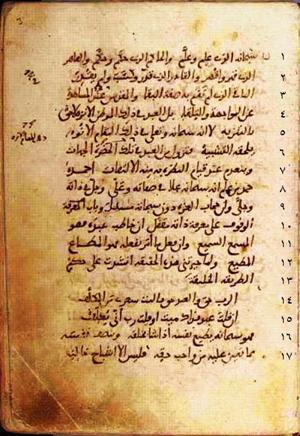
Yazma cildi 1 · Sayfa 6

Konya yazması

Arapça kaynağı açİngilizce çeviriyi aç

Arapça

سبحانه الَّذي عَلِم وعَلَّم، والحاكمُ الَّذي حَكَمَ وحَكَّمَ، والقاهرُ الَّذي قَهَرَ وأقْهَرَ، والقادِرُ الَّذي قدَّر (أي أعطى القدرة للعبد) وكسَّب (أي نسب الكسب للعبد مع أنّ القدرة حقيقة تعود لله تعالى) و(هو تعالى في ذٰلك) لم يَقْدِر (أي لَم يَبْخَل أو يُقْتِر)،

(وهو) الباقي الَّذي لم تقُم به صفةُ البقاء (أي ليست هي شيءٌ زائد على ذاته تعالى)، والمقدَّسُ عند المشاهدة عن المواجهة والتِّلقاء (لأنه تعالى غير محدود بمكان أو زمان)؛

بل العبد في ذٰلك الموطِن الأنزه لاحِقٌ بالتنْزيه، لا أنَّه سبحانه وتعالى في ذٰلك المقام الأَنْوَه يلحقُه التَّشبيه؛[12] فتزول من العبد في تلك الحضرة الجهاتُ، وينعدمُ عند قيامِ النَّظرة به منه الالتفاتُ.[13]

أحمدُه حمدَ من علِم أنّه سبحانه علا في صفاته وعلَّى، وجلَّ في ذاته وجلَّى، وأنَّ حجابَ العزَّة دون سُبُحاتِه[14] مُسدَلْ، وبابَ الوقوف على معرفة ذاته مُقفلْ؛ إن خاطب عبدَه فهو المُسمِعُ السَّميعُ، وإن (هُوَ) فَعل[15] ما أَمَرَ (هُوَ) بفعله فهُوَ المُطاعُ المُطيعُ؛[16]

ولَمَّا حيَّرتني هذه الحقيقة (التي لا نرى معها فعلاً أو أثراً للعبدِ) أنشدت على حكم الطريقة (بالأسلوب الرَّمزي) للخليقة:

الرَّبُّ حقٌّ والعبدُ حقٌّ[17] يا ليت شِعري مَن المكلَّفْ؟

إن قُلتَ: "عبدٌ"، فذاك ميتٌ أو قلتَ: "ربٌّ"، أنَّى يُكلَّفْ؟

فهُوَ سبحانه يُطيع نفسَه إذا شاء بخلقه، ويُنصف نفسَه مما تعيَّن عليه من واجبِ حقِّه؛ فليس (العالَمُ) إلا أشباحٌ خاليةٌ

Notlar

[12]

ولقد شرح ابن العربي ذٰلك في رسالة الأزل المطبوعة ضمن مجموعة رسائل ابن العربي (طبعة حيدر آباد)، وشرحناه في كتاب مفهوم الزمن عند ابن العربي (ص: ؟؟؟).

[13]

ولقد ذكر ابن العربي في الكثير من المواضع أنّه بلغ هٰذا المنزل الذي تنعدم فيه الجهات، وهو يسمى منزل النُّور، ودخل فيه في مدينة فاس سنة 591/1195، وقد تحدَّثنا عن ذٰلك بالتفصيل في كتاب شمس المغرب (ص: 192).

[14]

يقول ابن منظور في لسان العرب (سبح): »وسُبُحاتُ وجهِ الله، بضمِّ السِّين والبَاء: أَنوارُه وجلالُه وعظمتُه... وهي في الأَصل جمع سُبْحة؛ وقيل: أَضواء وجهه؛ وقيل: سُبُحاتُ الوجه محاسنُه لأَنَّك إِذا رأَيت الحَسَنَ الوجهِ قلت: سبحان الله، وقيل: معناه تنْزيهٌ له أَي سبحان وجهه... والسُّبْحَةُ: الخَرَزاتُ الَّتي يَعُدُّ المُسَبِّحُ بها تسبيحه.«

[15]

ويمكن أن تقرأ: فُعل، مبنيَّةٌ للمجهول، أو فَعل كما وضعناها، على أساس أنّه سبحانه وتعالى هو الفاعل الحقيقي.

[16]

يقول ابن العربي في أوراد أيّام الأسبوع ولياليه (وِرد يوم الأحد): »وَيَا مُسخِّرَ الأَعمالِ الصالحةِ للعبدِ ليعودَ نفعُهَا عَلَيْهِ«.

[17]

وكثيراً ما يتم تحريف هٰذا الشطر من البيت بشكلٍ فظيعٍ، ثمَّ يُستشهد به بعد ذٰلك على كفر ابن العربي، فقد ورد في كُتُبِ وخُطَبِ الشَّيخ عبد العزيز بن عبد الله الرَّاجحي، وهو من تلاميذ الشَّيخ عبد العزيز بن باز، أنَّ ابن العربي يقول: الرَّبُّ عبدٌ والعبدُ ربٌّ... (انظر في شرح العقيدة الطحاوية للشَّيخ الرَّاحجي، وكذٰلك في شرح كتاب الاعتقاد لابن الفرّاء للرَّاجحي أيضاً) ؟؟؟. وابن العربي هنا يتساءل ويتعجَّب (ولا ينكر) أنَّه طالما أنَّ كلَّ شيء عائد لله تعالى من حيث الخلق والإرادة والقدرة، وليس للعبد أي وجودٍ مستقل غني عن الله تعالى، فكيف يكون عليه تكليف إذ ليس له فعل حقيقي.
İngilizce

glory be to Him—who knows and imparts knowledge; the Ruler who rules and appoints to rule; the Subduer who subdues and enables others to subdue; the Powerful who bestows power (that is, gives the servant ability), grants acquisition (that is, attributes acquisition to the servant, although power in reality belongs to God), and does not stint (that is, He neither withholds nor gives sparingly).

(He is) the Everlasting, in whom everlastingness does not subsist as an attribute (that is, as something additional to His Essence); the Holy, who, in contemplation, is beyond being faced or encountered as an opposite (because He is not bounded by place or time).

Rather, in that most transcendent dwelling, the servant acquires freedom from limitation; it is not that He, glory and exaltation be to Him, acquires resemblance to creatures in that most exalted station.[12] In that Presence, directions disappear from the servant; and when the vision is established in him through Him, every turning aside ceases.[13]

I praise Him with the praise of one who knows that He is exalted in His Attributes and exalts, majestic in His Essence and unveils; that the veil of Inaccessibility is drawn before the radiances of His Face,[14] and the door to attaining knowledge of His Essence is locked. If He addresses His servant, He is both the One who makes him hear and the Hearer; and if (He) performs[15] what (He) has commanded to be performed, He is both the Obeyed and the Obedient.[16]

When this reality bewildered me (since within it we see no act or effect belonging to the servant), I recited to creation, according to the way of the Path (in symbolic language):

The Lord is real, and the servant is real:[17]
Would that I knew: who bears the obligation?

If you say, “A servant,” he is lifeless;
If you say, “A Lord,” how could He be obliged?

He, glory be to Him, obeys Himself through His creation when He wills, and renders justice to Himself concerning what has been determined as His due. There are, then, only empty forms (the cosmos)—

Notlar

[12]

Ibn al-Arabi explained this in Risalat al-Azal, printed in the collection Rasail Ibn al-Arabi (Hyderabad edition). We explained it in Mafhum al-Zaman inda Ibn al-Arabi (p. ??? [reference unfinished in the source]).

[13]

Ibn al-Arabi mentions in many places that he attained this dwelling in which directions cease to exist. It is called the Dwelling of Light, and he entered it in Fez in 591 AH/1195 CE. We discussed this in detail in Shams al-Maghrib, p. 192.

[14]

Ibn Manzur says in Lisan al-Arab, under the root s-b-h: “The subuhat of God’s Face, with u-vowels on the sin and ba, are His lights, majesty, and greatness … The word is originally the plural of subhah. It has also been said to mean the radiances of His Face, or its beauties, because when you see a beautiful face you say, ‘Glory be to God!’ It has also been said to mean declaring Him transcendent—that is, ‘Glory be to His Face!’ … Subhah also means the beads with which one counts one’s glorifications.”

[15]

The verb may be read in the passive, “is performed,” or in the active, “He performs,” as we have supplied, on the basis that He, glory and exaltation be to Him, is the true agent.

[16]

In his litanies for the days and nights of the week, in the Sunday litany, Ibn al-Arabi says: “O You who subject righteous deeds to the servant, so that their benefit may return to him.”

[17]

This hemistich is often grossly distorted and then cited as evidence of Ibn al-Arabi’s unbelief. In books and sermons of Shaykh Abd al-Aziz ibn Abd Allah al-Rajihi, a pupil of Shaykh Abd al-Aziz ibn Baz, Ibn al-Arabi is represented as saying: “The Lord is a servant, and the servant is a Lord …” (See al-Rajihi’s commentary on al-Aqidah al-Tahawiyyah and his commentary on Ibn al-Farra’s Kitab al-Itiqad.) ??? [References unfinished in the source.] Here Ibn al-Arabi is questioning and expressing wonder, not denying: since everything returns to God in creation, will, and power, and the servant possesses no independent existence that is free of need for God, how can obligation fall upon him when he has no act that is truly his own?

Translator’s note TN6-1: “Obligation” translates taklif: being addressed by divine commands and held responsible for them. The poem poses the difficulty of reconciling this responsibility with dependence on divine agency. The supplied editor explicitly reads it as a question, not a denial of obligation. “Real” renders haqq in the verse; it does not mean that Lord and servant have identical modes of existence.

Translator’s note TN6-2: “Freedom from limitation” renders the servant’s participation in tanzih, often translated “incomparability” or “transcendence.” The surrounding text explains this through the disappearance of spatial directions in contemplation.

Yazma görüntüsüYazma cildi 1 · Sayfa 6

Arapça ve İngilizce aynı Konya sayfa kimliğiyle bağlanır. Sayfa eşleştirmesi yaklaşıktır; doğrulamak için yazma görüntüsüne bakın.

Kahire kaynak referansı

Ibn al-Arabi, The Meccan Revelations — Yazma cildi 1 · Sayfa 6 — https://www.futmak.com/turkce/konya/pages.php?id=6&text=both