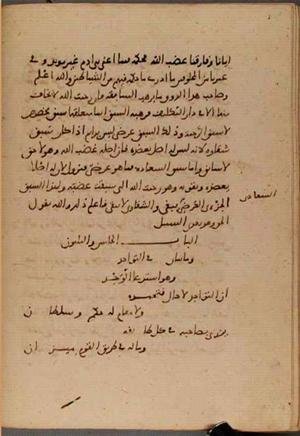
us, and God’s wrath left us. Its ruling upon us—I mean the children of Adam—is not perpetual[41]. As for other created beings, I do not know its ruling upon the devils among them. God knows best.
The possessor of this tasting does not dread what has preceded, for God’s mercy is feared only within the abode of obligation. Dread of precedence concerns only a particular precedence, not mercy’s precedence. That precedence is accidental, not lasting, if it is a precedence of wretchedness, because it has no root supporting it. Its root is God’s wrath, which comes afterward, not before.
The precedence of felicity, however, is not accidental so that it would cease, for it has a root supporting and strengthening it: God’s mercy, which preceded His wrath. Hence particular, accidental precedence remains when felicitous, while the wretched kind does not remain. Know this. “God speaks the truth and He guides the way” [al-Ahzab 33:4].
Chapter Two Hundred and Thirty-Five: On Invoking Ecstasy (Tawājid), Which Is Summoning Ecstasy
Invoking ecstasy is no state for you to praise,
Nor a station possessing ruling and authority.
It demeans its possessor among every group
And has no balance within the Folk’s path.
Notlar
[41]
(“مؤيد” was corrected to “مؤبد,” “perpetual,” by comparison with the new edition.)
Translator’s note TN5479-1: The final summary retains “particular, accidental precedence” when felicitous, although the preceding sentence says felicity’s precedence is not accidental. The text does not explicitly explain this shift of description.