
Futmak · الفتوحات المكية · Meccan Revelations

Fütûhât-ı Mekkiyye

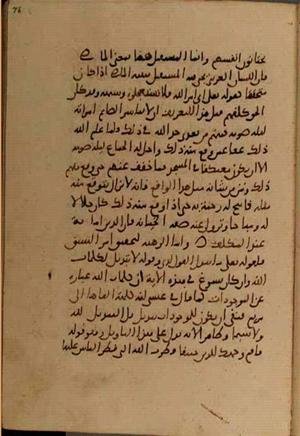
Yazma cildi 18 · Sayfa 150

Konya yazması

Arapça kaynağı açİngilizce çeviriyi aç

Arapça

يختانون أنفسهم، وإنما المستقبل هنا بمعنى الماضي[39]؛ فإن اللسان العربي يجيء فيه المستقبل ببنية الماضي إذا كان متحققا، كقوله تعالى: ﴿أَتى أَمْرُ الله فَلا تَسْتَعْجِلُوهُ﴾ [النحل: ١] وشبهه.

وقد كان الحق كلفهم قبل هٰذا التعريف أن لا يباشر الصائم امرأته ليلة صومه، فمنهم من تعدى حد الله في ذٰلك. فلما علم الله ذٰلك عفا عمن وقع منه ذٰلك، وأحل له الجماع ليلة صومه إلا أن يكون معتكفا في المسجد، فما خفف عنهم حتى وقع منهم ذٰلك.

ومن من شأنه مثل هٰذا الواقع فإنه لا يزال يتوقع منه مثله، فأبيح له رحمة به، حتى إذا وقع منه ذٰلك كان حلالا له ومباحا، وتزول عنه صفة الخيانة، فإن الدين أمانة عند المكلف.

(الرهبة من السابقة)

وأما الرهبة لتحقيق أمر السبق، فلقوله تعالى: ﴿ما يُبَدَّلُ الْقَوْلُ لَدَيَّ﴾ [ق: ٢٩]، وقوله: ﴿لا تَبْدِيلَ لِكَلِماتِ الله﴾ [يونس: ٦٤]. وإن كان يسوغ في هذه الآية أن كلمات الله عبارة عن الموجودات، كما قال في عيسى إنه ﴿كَلِمَتُهُ أَلْقاها إِلى مَرْيَمَ﴾ [النساء: ١٧١]؛ فنفى أن يكون للموجودات تبديل، بل التبديل لله.

ولا سيما وظاهر الآية يدل على هٰذا التأويل، وهو قوله: ﴿فَأَقِمْ وَجْهَكَ لِلدِّينِ حَنِيفاً فِطْرَتَ الله الَّتِي فَطَرَ النَّاسَ عَلَيْها﴾ [الروم: ٣٠]

Notlar

[39]

(ترد عبارة «وإنما المستقبل هنا بمعنى الماضي» كذلك في الطبعة الجديدة؛ حُفظ ترتيبها مع التعليل والمثال التاليين، ويبقى وجه اتصالها محتاجا إلى مقابلة الشواهد.)
İngilizce

betraying themselves. Rather, the future here has the meaning of the past[39]. In Arabic, the future comes in the form of the past when it is certain, as in His saying, exalted is He, “God’s command has come, so do not seek to hasten it” [al-Nahl 16:1], and the like.

Before this making-known, the Real had obligated them that the person fasting not have intercourse with his wife on the night of his fast. Some of them overstepped God’s bound in this. When God knew it, He pardoned those from whom it occurred and made intercourse lawful for him on the night of his fast, unless he was in retreat in the mosque. He did not lighten matters for them until this had occurred from them.

One whose disposition is like that of this occurrence can continually be expected to do the like. It was permitted him out of mercy, so that when it occurred from him it would be lawful and permitted, and the attribute of betrayal would leave him, for religion is a trust with the legally accountable person.

(Dread of What Has Preceded)

Dread concerning the realization of what has preceded rests upon His saying, exalted is He, “The word is not changed with Me” [Qaf 50:29], and “There is no changing God’s words” [Yunus 10:64]. In this verse it is also possible that God’s words stand for existent things, as He said of Jesus that he is “His word, which He cast to Mary” [al-Nisaʾ 4:171]. He thus denies that existent things possess changing; rather, changing belongs to God.

The apparent sense of the verse especially indicates this interpretation: His saying, “Set your face toward the religion as one inclining to truth: God’s original constitution upon which He constituted people” [al-Rum 30:30]

Notlar

[39]

(The wording “the future here has the meaning of the past” also occurs in the new edition. Its order has been preserved together with the ensuing explanation and example; the way these connect still requires comparison of textual witnesses.)

Yazma görüntüsüYazma cildi 18 · Sayfa 150

Arapça ve İngilizce aynı Konya sayfa kimliğiyle bağlanır. Sayfa eşleştirmesi yaklaşıktır; doğrulamak için yazma görüntüsüne bakın.

Kahire kaynak referansı

Ibn al-Arabi, The Meccan Revelations — Yazma cildi 18 · Sayfa 150 — https://www.futmak.com/turkce/konya/pages.php?id=5476&text=both