
Futmak · الفتوحات المكية · Meccan Revelations

Fütûhât-ı Mekkiyye

Yazma cildi 18 · Sayfa 98

Konya yazması

Arapça kaynağı açİngilizce çeviriyi aç

Arapça

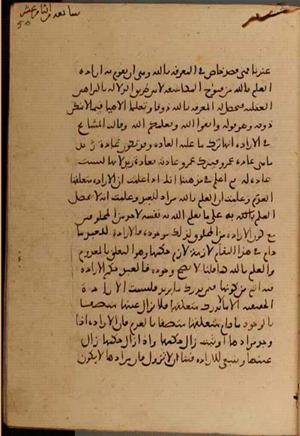
عندنا فهي قصد خاص في المعرفة بالله، وهي أن تقوم به إرادة العلم بالله من فتوح المكاشفة لا من طريق الدلالة بالبراهين العقلية؛ فتحصل له المعرفة بالله ذوقا وتعليما إلهيا فيما لا يمكن ذوقه، وهو قوله: ﴿واتَّقُوا الله ويُعَلِّمُكُمُ الله﴾ [البقرة: ٢٨٢].

وقالت المشايخ في الإرادة إنها ترك ما عليه العادة، وقد تكون عادة زيد ما هي عادة عمرو، فيترك عمرو عادته بعادة زيد، لأنها ليست عادة له. ثم اعلم في مذهبنا إنك إذا علمت أن الإرادة متعلقها العدم، وعلمت إن العلم بالله مراد للعبد، وعلمت أنه لا يحصل العلم به على ما يعلم الله به نفسه لأحد من المخلوقين مع كون الإرادة من المخلوق لذٰلك موجودة، فالإرادة للعبد ما دام في هٰذا المقام لازمة، لازم حكمها، وهو التعلق بالمعدوم.

والعلم بالله كما قلنا لا يصح وجوده، فالعبد حكم الإرادة فيه أتم من كونها فيمن يدرك ما يريد؛ فليست الإرادة الحقيقية إلا ما لا يدرك متعلقها. فلا يزال عينها متصفا بالوجود ما دام متعلقها متصفا بالعدم، فإن الإرادة إذا وجد مرادها أو ثبت زال حكمها، وإذا زال حكمها زال عينها.

وينبغي للإرادة فينا أن لا تزول، فإن مرادها لا يكون.
İngilizce

in our view, it is a particular intention in gnosis of God: the will for knowledge of God arises within him through openings of unveiling, not through indication by rational proofs. He attains gnosis of God through tasting, and through divine teaching concerning what cannot be tasted. This is His saying, “Be wary of God, and God teaches you” [al-Baqarah 2:282].

The shaykhs say will is leaving what is customary. Zayd’s custom may differ from ʿAmr’s, so ʿAmr leaves his own custom through Zayd’s custom, since it is not customary for him. Know, in our position, that will pertains to nonexistence; knowledge of God is willed by the servant; and no creature attains knowledge of Him as God knows Himself, although the creature’s will for this exists. Thus will remains inseparable from the servant while he is in this station, with its ruling inseparable: attachment to the nonexistent.

Knowledge of God as we described it cannot validly occur. Will’s ruling within the servant is thus more complete than in one attaining what he wills. True will is only that whose object is not attained. Its entity continually exists while its object remains nonexistent. When its object exists or becomes fixed, will’s ruling disappears, and when its ruling disappears, its entity disappears.

Will within us should therefore not disappear, for its object will not come to be.

Yazma görüntüsüYazma cildi 18 · Sayfa 98

Arapça ve İngilizce aynı Konya sayfa kimliğiyle bağlanır. Sayfa eşleştirmesi yaklaşıktır; doğrulamak için yazma görüntüsüne bakın.

Kahire kaynak referansı

Ibn al-Arabi, The Meccan Revelations — Yazma cildi 18 · Sayfa 98 — https://www.futmak.com/turkce/konya/pages.php?id=5424&text=both