
Futmak · الفتوحات المكية · Meccan Revelations

Fütûhât-ı Mekkiyye

Yazma cildi 17 · Sayfa 88

Konya yazması

Arapça kaynağı açİngilizce çeviriyi aç

Arapça

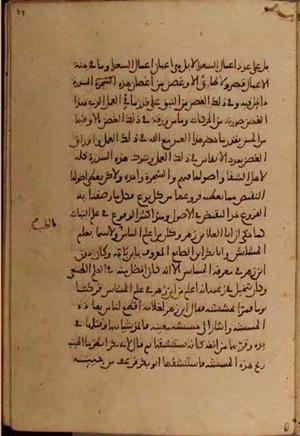
بل على عدد أعمال السعداء، لا بل هي أعيان أعمال السعداء. وما في جنة الأعمال قصر ولا طاق إلا وغصن من أغصان هذه السدرة داخل فيه، وفي ذٰلك الغصن من النبق على قدر ما في العمل الذي هٰذا الغصن صورته من الحركات.

وما من ورقة في ذٰلك الغصن إلا وفيها من الحسن بقدر ما حضر هٰذا العبد مع الله في ذٰلك العمل، وأوراق الغصن بعدد الأنفاس في ذٰلك العمل. وشوك هذه السدرة كله لأهل الشقاء، وأصولها فيهم، والشجرة واحدة، ولكن تعطي أصولها النقيض مما تعطيه فروعها من كل نوع. فكل ما وصفنا به الفروع، خذ النقيض في الأصول.

(مثل من اختلاف الأصول والفروع)

وهٰذا كثير الوقوع في علم النبات، كما حكي أن أبا العلاء بن زهر، وكان من أعلم الناس بالطب ولا سيما بعلم الحشائش، وأبا بكر بن الصائغ المعروف بابن باجة، وكان دون ابن زهر في معرفة الحشائش إلا أنه كان أفضل منه في العلم الطبيعي، وكان يتخيل في زعمه أنه أعلم من ابن زهر في علم الحشائش، فركبا يوما، فمرا بحشيشة.

فقال ابن زهر لغلامه: «اقطع لنا من هذه الحشيشة»، وأشار إلى حشيشة معينة، فأخذ شيئا منها وفتلها في يده وقربها من أنفه كأنه يستنشقها. ثم قال لأبي بكر: «انظر ما أطيب ريح هذه الحشيشة». فاستنشقها أبو بكر، فرعف من حينه.
İngilizce

rather, the number of the felicitous’ works—no, rather, they are the very entities of those works. No palace or archway in the Garden of works lacks a branch of this Lote Tree within it. That branch has fruits according to the movements within the work whose form it is.

Each leaf upon that branch has beauty according to this servant’s presence with God in that work. Its leaves number the breaths within that work. All this Lote Tree’s thorns belong to the wretched, and its roots are among them. The tree is one, but its roots give the opposite of what its branches give, in every kind. Take the opposite in its roots of everything we described in its branches.

(An Example of Roots and Branches Differing)

This occurs often in knowledge of plants. It is related that Abu al-ʿAlaʾ ibn Zuhr was among the most knowledgeable in medicine, especially herbs. Abu Bakr ibn al-Saʾigh, known as Ibn Bajjah, knew less about herbs than Ibn Zuhr, though he excelled him in natural science and imagined himself more knowledgeable than Ibn Zuhr about herbs. One day they rode out and passed an herb.

Ibn Zuhr told his young servant, “Cut us some of this herb,” pointing to a particular one. He took some, twisted it in his hand, and brought it near his nose as though smelling it. Then he told Abu Bakr, “See how fragrant this herb is.” Abu Bakr smelled it and immediately began bleeding from the nose.

Yazma görüntüsüYazma cildi 17 · Sayfa 88

Arapça ve İngilizce aynı Konya sayfa kimliğiyle bağlanır. Sayfa eşleştirmesi yaklaşıktır; doğrulamak için yazma görüntüsüne bakın.

Kahire kaynak referansı

Ibn al-Arabi, The Meccan Revelations — Yazma cildi 17 · Sayfa 88 — https://www.futmak.com/turkce/konya/pages.php?id=5098&text=both