
Futmak · الفتوحات المكية · Meccan Revelations

Fütûhât-ı Mekkiyye

Yazma cildi 16 · Sayfa 310

Konya yazması

Arapça kaynağı açİngilizce çeviriyi aç

Arapça

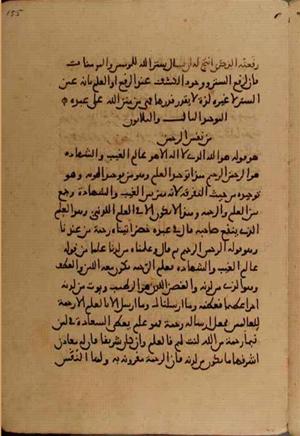
رفعته الذكرى، أنتج له أن يسأل ستر الله للمؤمنين والمؤمنات؛ فإن لرفع الستر ووجود الكشف عند الرفع أو العلم بأنه عين الستر لا غيره، لذة لا يقدر قدرها، فهي من منن الله على عبده.

التوحيد الثالث والثلاثون

من نَفَس الرحمن، هو قوله: ﴿هُوَ الله الَّذِي لا إِلهَ إِلَّا هُوَ عالِمُ الْغَيْبِ والشَّهادَةِ هُوَ الرَّحْمنُ الرَّحِيمُ﴾ [الحشر: ٢٢]. هٰذا توحيد العلم، وهو من توحيد الهوية، وهو توحيده من حيث التفرقة؛ لأنه ميز بين الغيب والشهادة وجمع بين العلم والرحمة، وهٰذا لا يكون إلا في العلم اللدني، وهو العلم الذي ينفع صاحبه.

قال في عبده خضر: ﴿آتَيْناهُ رَحْمَةً من عِنْدِنا﴾ وهو قوله: ﴿الرَّحْمنُ الرَّحِيمُ﴾ ثم قال: ﴿وعَلَّمْناهُ من لَدُنَّا عِلْماً﴾ [الكهف: ٦٥] من قوله: ﴿عالِمُ الْغَيْبِ والشَّهادَةِ﴾.

فعلم الرحمة يكون معه اللين والعطف، وهو الذي من لدنه، والغصن اللدن هو الرطيب. ﴿ويُؤْتِ من لَدُنْهُ أَجْراً عَظِيماً﴾ [النساء: ٤٠]، فعظمه. ﴿وما أَرْسَلْناكَ﴾ وما أرسل إلا بالعلم، ﴿إِلَّا رَحْمَةً لِلْعالَمِينَ﴾ [الأنبياء: ١٠٧] فجعل إرساله رحمة، فهو علم يعطي السعادة في لين. ﴿فَبِما رَحْمَةٍ من الله لِنْتَ لَهُمْ﴾ [آل عمران: ١٥٩].

فالعلم، وإن كان شريفا، فإن له معادن، أشرفها ما يكون من لدنه؛ فإن الرحمة مقرونة به ولها النَّفَس
İngilizce

lifted by the reminder, it produces in him asking for God’s covering of believing men and women. Lifting the veil and the presence of unveiling when it is lifted, or knowing that it is the very veil and nothing else, have a delight beyond measure. They are among God’s favors toward His servant.

Thirty-Third Affirmation of Oneness

From the Breath of the All-Merciful: His saying, “He is God, besides whom there is no deity, Knower of the unseen and the witnessed. He is the All-Merciful, the Most Merciful” [al-Hashr 59:22]. This is the affirmation of oneness of knowledge, among the affirmations of oneness of Identity. It affirms His oneness through differentiation, distinguishing unseen from witnessed and combining knowledge with mercy. This occurs only within knowledge from His presence, the knowledge benefiting its possessor.

He said of His servant Khidr, “We gave him mercy from Us,” His saying, “The All-Merciful, the Most Merciful.” Then He said, “We taught him knowledge from Our presence” [al-Kahf 18:65], from His saying, “Knower of the unseen and the witnessed.”

Knowledge of mercy accompanies gentleness and tenderness. It is that from His presence, ladunhu, and a tender branch, ladn, is moist. “He gives from His presence a mighty reward” [al-Nisaʾ 4:40], magnifying it. “We sent you”—and He sends only with knowledge—“only as mercy to the worlds” [al-Anbiyaʾ 21:107]. He makes his sending mercy: knowledge giving felicity through gentleness. “Through mercy from God you were gentle toward them” [Al ʿImran 3:159].

Though noble, knowledge has mines. The noblest is from His presence, for mercy accompanies it and possesses the breath

Notlar

Translator’s note TN5004-1: The antecedent in “it is the very veil” is not explicit. It may concern the Real disclosed within causes or the unveiling just mentioned. The main translation does not supply a named subject.

Translator’s note TN5004-2: Ladunhu, “from His presence,” is linked with ladn, a supple or tender branch. This verbal connection supports the passage’s union of knowledge, mercy, and gentleness.

Yazma görüntüsüYazma cildi 16 · Sayfa 310

Arapça ve İngilizce aynı Konya sayfa kimliğiyle bağlanır. Sayfa eşleştirmesi yaklaşıktır; doğrulamak için yazma görüntüsüne bakın.

Kahire kaynak referansı

Ibn al-Arabi, The Meccan Revelations — Yazma cildi 16 · Sayfa 310 — https://www.futmak.com/turkce/konya/pages.php?id=5004&text=both