Fütûhât-ı Mekkiyye

Yazma cildi 14 · Sayfa 97

Konya yazması

Arapça kaynağı açİngilizce çeviriyi aç

Arapça

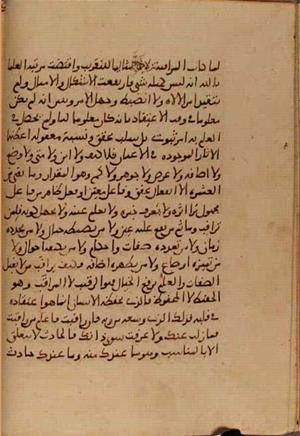
لما كانت المراقبة تنزلا مثاليا للتقريب، واقتضت مرتبة العلماء بالله أنه ﴿لَيْسَ كَمِثْلِهِ شَيْءٌ﴾ [الشورى: 11]، فارتفعت الأشكال والأمثال، ولم يتقيد أمر الإله، ولا انضبط، وجهل الأمر، وتبين أنه لم يكن معلوما في وقت الاعتقاد بأنه كان معلوما لنا، ولم يحصل في العلم به أمر ثبوتي، بل سلب محقق، ونسبة معقولة، أعطتها الآثار الموجودة في الأعيان.

فلا كيف، ولا أين، ولا متى، ولا وضع، ولا إضافة، ولا عرض، ولا جوهر، ولا كم، وهو المقدار، وما بقي من العشرة إلا انفعال محقق، وفاعل معين، أو فعل ظاهر من فاعل مجهول، يرى أثره، ولا يعرف خبره، ولا يعلم عينه، ولا يجهل كونه.

فلمن تراقب؟ وما ثم من تقع عليه عين، ولا من يضبطه خيال، ولا من يحدده زمان، ولا من تعدده صفات وأحكام، ولا من تُكيِّفه أحوال[30]، ولا من تميزه أوضاع، ولا من تظهره إضافة، فكيف يُراقَب من لا يقبل الصفات؟ والعلم يرفع الخيال.

(المراقبة وصورة الاعتقاد)

فهو الرقيب، لا المراقب، وهو الحفيظ، لا المحفوظ، فالذي يحفظه الإنسان إنما هو اعتقاده في قلبه، فذٰلك الذي وسعه من ربه.

فإن راقبت، فاعلم من راقبت، فما زلت عنك، ولا عرفت سوى ذاتك، فالحادث لا يتعلق إلا بالمناسب، وهو ما عندك منه، وما عندك حادث،

Notlar

[30]

(صححت «تكسيفه» إلى «تُكيِّفه» وفقا للطبعة الأحدث؛ والعبارة في نفي تكييف الأحوال له.)
İngilizce

Watchfulness is an imaginal descent for bringing near. The rank of the knowers of God requires that “Nothing is like His likeness” [al-Shura 42:11], so forms and likenesses disappear. The Deity’s affair is neither restricted nor held within bounds. The affair is unknown, and it becomes clear that it was not known when we believed we knew it. No positive affair is attained in knowing Him, but a realized negation and an intelligible relation yielded by effects existing in the entities.

There is no how, where, when, position, relation, accident, substance, or quantity, which is magnitude. Of the ten there remain only a realized receiving of an effect and a determined agent, or a manifest act from an unknown agent, whose effect is seen, whose account is not known, whose very entity is not known, and whose being is not unknown.

Whom, then, do you watch? There is none upon whom an eye falls, none whom imagination contains, none whom time bounds, none whom attributes and rulings make multiple, none whom states qualify,[30] none whom positions distinguish, none whom relation makes manifest. How is one who does not admit attributes to be watched? Knowledge removes imagination.

(Watchfulness and the Form of Belief)

He is the Watcher, not the watched; the Preserver, not the preserved. What a human being preserves is only his belief within his heart. That is what he has contained of his Lord.

If you watch, know whom you watch. You have not departed from yourself or known anything but your essence. The originated attaches only to what corresponds to it, what you have of Him. What you have is originated,

Notlar

[30]

(Taksīfuhu was corrected to tukayyifuhu, “qualify Him,” according to the newer edition. The phrase denies states’ qualifying Him.)

Translator’s note TN4159-1: The text negates eight items and then discusses reception of an effect and an agent or manifest act. Its fāʿil, “agent,” is retained rather than altered to another category. The watched is passive, as in source note 14:26.

Yazma görüntüsüYazma cildi 14 · Sayfa 97

Arapça ve İngilizce aynı Konya sayfa kimliğiyle bağlanır. Sayfa eşleştirmesi yaklaşıktır; doğrulamak için yazma görüntüsüne bakın.

Kahire kaynak referansı

Ibn al-Arabi, The Meccan Revelations — Yazma cildi 14 · Sayfa 97 — https://www.futmak.com/turkce/konya/pages.php?id=4159&text=both