Fütûhât-ı Mekkiyye

Yazma cildi 14 · Sayfa 92

Konya yazması

Arapça kaynağı açİngilizce çeviriyi aç

Arapça

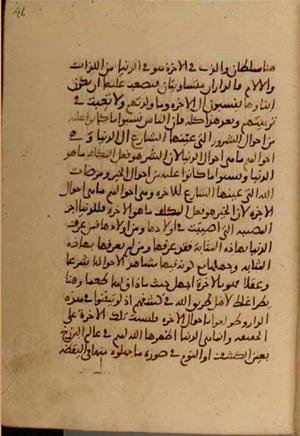
هنا سلطان، والذي في الآخرة هو في الدنيا من اللذات والآلام، فالداران متساويتان، فيصعب عليها أن يكون أبناؤها ينسبون إلى الآخرة، وما ولدتهم، ولا تعبت في تربيتهم.

وبعد هٰذا كله فإن الناس نسبوا ما كانوا عليه من أحوال الشرور التي عينها الشارع إلى الدنيا، وهي أحوالهم، ما هي أحوال الدنيا، لأن الشر هو فعل المكلف ما هو الدنيا.

ونسبوا ما كانوا عليه من أحوال الخير ومرضاة الله التي عينها الشارع للآخرة، وهي أحوالهم، ما هي أحوال الآخرة، لأن الخير هو فعل المكلف ما هو الآخرة، فللدنيا أجر المصيبة التي أصيبت في أولادها ومن أولادها.

فمن عرف الدنيا بهذه المثابة، فقد عرفها، ومن لم يعرفها بهذه المثابة، وجهلها، مع كونه فيها مشاهدا لأحوالها شرعا وعقلا، فهو بالآخرة أجهل، حيث ما ذاق لها طعما.

(المثال البرزخي والدار الآخرة)

وهنا يطرأ غلط لأهل طريق الله في كشفهم، إذ لو تيقنوا في هذه الدار، وطولعوا بأحوال الآخرة، فليست تلك الآخرة على الحقيقة، وإنما هي الدنيا أظهرها الله لهم في عالم البرزخ، بعين الكشف، أو النوم في صورة ما جهلوه منها في اليقظة،
İngilizce

authority here, and the Hereafter’s pleasures and pains exist in this world, the two abodes are equal. It is hard upon her that her children should be ascribed to the Hereafter, who neither bore them nor labored to nurture them.

After all this, people ascribe to this world their states of evil identified by the Lawgiver. These are their states, not this world’s states, for evil is the legally accountable person’s act, not this world.

They ascribe to the Hereafter their states of good and of pleasing God identified by the Lawgiver. These are their states, not the Hereafter’s, for good is the legally accountable person’s act, not the Hereafter. This world receives the reward of the affliction she suffers in her children and from her children.

One who knows this world in this way knows her. One who does not, and is ignorant of her despite witnessing her states within her according to revealed law and reason, is more ignorant of the Hereafter, having tasted nothing of it.

(The Isthmian Image and the Abode of the Hereafter)

Here an error arises for the people of God’s path in their unveiling. Even if they gain certainty within this abode and are shown the Hereafter’s states, that is not truly the Hereafter. It is this world, which God shows them in the isthmian world through the eye of unveiling or sleep, in the form of what they did not know of her while awake,

Notlar

Translator’s note TN4154-1: The supplied verb is tayaqqanū, “gain certainty,” retained rather than replaced with being awake. The author distinguishes the realm in which a vision occurs from the realm to which its viewer ascribes it.

Yazma görüntüsüYazma cildi 14 · Sayfa 92

Arapça ve İngilizce aynı Konya sayfa kimliğiyle bağlanır. Sayfa eşleştirmesi yaklaşıktır; doğrulamak için yazma görüntüsüne bakın.

Kahire kaynak referansı

Ibn al-Arabi, The Meccan Revelations — Yazma cildi 14 · Sayfa 92 — https://www.futmak.com/turkce/konya/pages.php?id=4154&text=both