
Futmak · الفتوحات المكية · Meccan Revelations

Fütûhât-ı Mekkiyye

Yazma cildi 13 · Sayfa 224

Konya yazması

Arapça kaynağı açİngilizce çeviriyi aç

Arapça

الكفاية لوجود الأجر، ولا في فرض الصلاة لعدم سقوطها عمن صليت عنه، فلا يشبه فرض الصلاة ولا يشبه فرض الكفاية.

وأما السنن فكل ما عدا ما تعين عمله، وهو على قسمين: سنة أمر بها وحرض عليها أو فعلها بنفسه وخير أمته في فعلها، وسنة ابتدعها واحد من الأمة فاتبع فيها، فله أجرها وأجر من عمل بها.

فالفرض إذا جاء به العبد موفى فقد وفى ما تستحقه الربوبية عليه من العبودة؛ فينتج له عمل الفريضة أمرا هو أعلى من أن يكون الحق سمعه، فإن كون الحق سمع العبد حال للعبد. وحكم الفرض يحول بينه وبين هذه الحال، وهو أن يكون سمعا للحق فيسمع الحق بالعبد، وهو قوله: «جعت فلم تطعمني».

وأما هذه الحيلولة التي أعطاها الفرض من أن يكون الحق سمعه، هي مقام محقق ثابت كما هو في نفس الأمر؛ فيعرف عند ذٰلك العبد أن الحق هو لا هو، وصاحب الحال يقول: «أنا». والسنن طرق الاقتداء، وأعلاها الاقتداء بالحق حتى أكون في إطلاق أسمائه علي قريبا من التحقق بها لا من التخلق. وأدناها في حق الولي الاقتداء بالذين قال الله فيهم: ﴿أُولئِكَ الَّذِينَ هَدَى الله فَبِهُداهُمُ اقْتَدِهْ﴾ [الأنعام: 90]، والعلماء ورثة الأنبياء، وما ورثوا إلا العلم.

(الاستحسان والسنة الحسنة)

فالسنة النبوية عالية المقام، وهي الجمعية على الدين وإقامته وأن لا نتفرق فيه؛
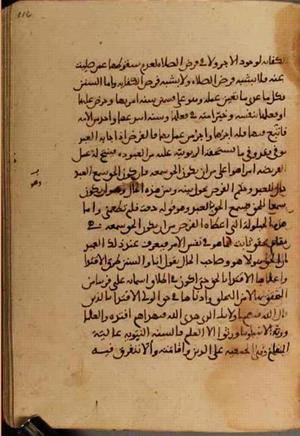
İngilizce

duty, because reward is present, or to prescribed prayer, because prayer does not fall away from the one on whose behalf you pray. It resembles neither prescribed prayer nor the collective duty.

Practices are everything outside what is individually required to be done. They are of two kinds: a practice he commanded and encouraged, or performed himself while giving his community the choice to perform it; and a practice innovated by someone in the community who is followed in it, receiving its reward and that of whoever acts upon it.

When the servant performs a prescribed duty completely, he fulfills the servitude lordship deserves from him. Performing the duty produces for him something higher than the Real’s being his hearing. The Real’s being the servant’s hearing is a state for the servant, while the ruling of prescribed duty intervenes between him and this state: he becomes hearing for the Real, so the Real hears through the servant. This is His saying, “I was hungry, and you did not feed Me.”

The intervention given by prescribed duty against the Real’s being his hearing is a realized, established station, as the affair is in itself. The servant then knows that the Real is He, not the servant, while the possessor of the state says, “I.” Practices are ways of following. Their highest is following the Real, so that in His names’ being applied to me I come near to realizing them, not assuming their character. Their lowest for the friend of God is following those of whom God said, “Those are the ones God guided, so follow their guidance” [al-Anʿam 6:90]. The knowers are the prophets’ inheritors, and they inherited only knowledge.

(Approbation and the Good Practice)

The prophetic practice is lofty in station. It is gathering upon religion, establishing it, and not dividing within it,

Notlar

Translator’s note TN3978-1: The reversal is explicit: supererogatory works yield the Real as the servant’s hearing, while prescribed duty yields the servant as hearing for the Real. The former is called a state and the latter an established station. “Servitude” renders ʿubūdah in the account of what lordship is due.

Yazma görüntüsüYazma cildi 13 · Sayfa 224

Arapça ve İngilizce aynı Konya sayfa kimliğiyle bağlanır. Sayfa eşleştirmesi yaklaşıktır; doğrulamak için yazma görüntüsüne bakın.

Kahire kaynak referansı

Ibn al-Arabi, The Meccan Revelations — Yazma cildi 13 · Sayfa 224 — https://www.futmak.com/turkce/konya/pages.php?id=3978&text=both