
Futmak · الفتوحات المكية · Meccan Revelations

Fütûhât-ı Mekkiyye

Yazma cildi 13 · Sayfa 178

Konya yazması

Arapça kaynağı açİngilizce çeviriyi aç

Arapça

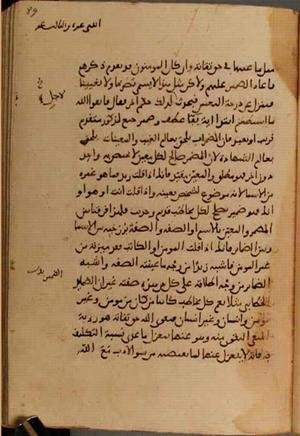
مثل ما عينها في حق تقاته، وإن كان المؤمنون قد تقدم ذكرهم فأعاد الضمير عليهم، ولكن مثل هٰذا لا يسمى تصريحا ولا تعيينا، فينزل عن درجة التعيين فيحدث لذٰلك حكم آخر.

فقال: ﴿فَاتَّقُوا الله ما اسْتَطَعْتُمْ﴾ [التغابن: 16]، ابتدأ آية بفاء عطف وضمير جمع لمذكور متقدم، قريب أو بعيد. فإن المضمرات تلحق بعالم الغيب، والمعينات تلحق بعالم الشهادة؛ لأن المضمر صالح لكل معين لا يختص به واحد دون آخر، فهو مطلق والمعين مقيد. فإنك إذا قلت «زيد» فما هو غيره من الأسماء؛ لأنه موضوع لشخص بعينه. وإذا قلت «أنت» أو «هو» أو «إنك»، فهو ضمير يصلح لكل مخاطب، قديم وحديث.

فلهٰذا فرقنا بين المضمر والمعين بالاسم أو الصفة. والصفة برزخية بين الأسماء وبين الضمائر؛ فإنك إذا قلت «المؤمن» أو «الكاتب» فقد ميزته من غير المؤمن، فأشبه زيدا من وجه ما عينته الصفة، وأشبه الضمائر من وجه إطلاقه على كل من هذه صفته. غير إن الضمير الخطابي مثلا يعم كل مخاطب كائنا من كان، من مؤمن وغير مؤمن وإنسان وغير إنسان.

فتقوى الله حق تقاته هو رؤية المتقي التقوى منه، وهو عنها بمعزل ما عدا نسبة التكليف به؛ فإنه لا ينعزل عنها لما يقتضيه من سوء الأدب مع الله.
İngilizce

as He does in wariness as is His due. Although believers have previously been mentioned and the pronoun refers back to them, this is not called explicit statement or specification. It is below the degree of specification, and another ruling therefore arises.

He says: “Be wary of God as far as you are able” [64:16], beginning a verse with the conjunction fāʾ and a plural pronoun referring to something previously mentioned, near or far. Pronouns belong to the world of the unseen, while specified things belong to the world of witnessing. The pronoun can apply to every specified thing, without being particular to one rather than another: it is unrestricted, whereas the specified is restricted. If you say “Zayd,” it is not another name, for it is instituted for a particular person. If you say “you,” “he,” or “indeed you,” it is a pronoun applicable to every addressee, beginningless or originated.

We therefore distinguish the pronoun from what is specified by a name or attribute. The attribute is an isthmus between names and pronouns. If you say “the believer” or “the writer,” you distinguish him from the nonbeliever. It resembles Zayd insofar as the attribute specifies him, and resembles pronouns insofar as it applies to everyone of that description. The pronoun of address, however, encompasses every addressee, whoever it is: believer or nonbeliever, human or otherwise.

Godwariness as is His due is the Godwary person's seeing Godwariness as from Him, while he stands apart from it except for the relation of being charged with it. He does not withdraw from that relation, because this would entail discourtesy toward God.

Notlar

Translator’s note TN3932-1: The contrast is grammatical as well as experiential: a specified name or description fixes a class or individual, while a pronoun can in principle refer to any addressee. The believer's obligation remains even when the act of Godwariness is witnessed as coming from God.

Yazma görüntüsüYazma cildi 13 · Sayfa 178

Arapça ve İngilizce aynı Konya sayfa kimliğiyle bağlanır. Sayfa eşleştirmesi yaklaşıktır; doğrulamak için yazma görüntüsüne bakın.

Kahire kaynak referansı

Ibn al-Arabi, The Meccan Revelations — Yazma cildi 13 · Sayfa 178 — https://www.futmak.com/turkce/konya/pages.php?id=3932&text=both