Fütûhât-ı Mekkiyye

Yazma cildi 2 · Sayfa 11

Konya yazması

Arapça kaynağı açİngilizce çeviriyi aç

Arapça

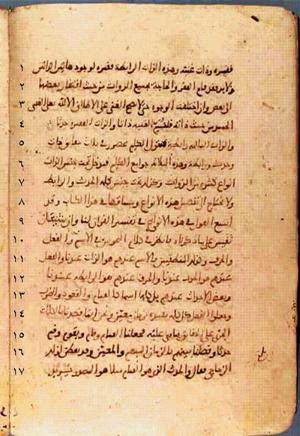
فقيرةٍ وذاتٍ غنيَّةٍ، وهٰذه الذَّات الرَّابطة فقيرة لوجود هاتَيْنِ الذَّاتَيْن، ولا بدَّ؛ فقد قام الفقر والحاجة بجميع الذَّوات من حيث افتقار بعضها إلى بعضٍ، وإِنِ اختلفت الوجوه، حتى لا يصحَّ الغنى على الإطلاق إلاَّ لله تعالى الغنيِّ الحميدِ من حيث ذاته.

فلنسمِّ الغَنِيَّةَ ذاتاً، والذَّاتَ الفقيرةَ حَدَثاً، والذَّاتَ الثَّالثةَ رابطةً. فنقول: الكلم محصورٌ في ثلاث حقائق: ذاتٌ وحدثٌ ورابطةٌ، وهٰذه الثَّلاثة هي جوامع الكَلِم، فيدخل تحت جنسِ الذَّاتِ أنواعٌ كثيرةٌ من الذَّوات وكذٰلك تحت جنسِ كَلِمة الحدَث والرَّابط. ولا نحتاج إلى تفصيل هٰذه الأنواع ومساقها في هٰذا الكتاب، وقد اتَّسع القول في هٰذه الأنواع في تفسير القرآن لنا (وهو كتاب جامع البيان).

وإن شئت أن تقيس على ما ذكرناه فانظر في كلام النحويِّين وتقسيمهم الكَلِم وفي الاسم والفعل والحرف، وكذٰلك المنطقيِّين؛ فالاسمُ عندهم هو الذَّاتُ عندنا، والفعلُ عندهم هو الحدثُ عندنا، والحرف عندهم هو الرَّابطةُ عندنا.

وبعض الأحداث عندهم بل كلُّها أسماءٌ كالقيام والقعود والضَّرب، وجعلوا الفعل كلَّ كلمة مقيَّدةٍ بزمانٍ معيَّنٍ، ونحن إنما قصدنا بالكلمات الجرْيَ على الحقائق بما هي عليه، فجعلنا «القيام» و«قام» و«يقوم» و«قم» حدثاً وفصَلْنا بينهم بالزَّمان المُبهم والمُعيَّن.

وقد تفطن لذٰلك الزَّجاجيّ فقال: والحدثُ الَّذي هو القيام مثلاً هو المصدر، يريد
İngilizce

that is dependent and an essence that is self-sufficient. This linking essence necessarily depends upon the existence of the two essences. Dependence and need thus belong to all essences, insofar as they depend upon one another, even though the respects differ. Unrestricted self-sufficiency therefore belongs only to God, the Self-Sufficient, the Praiseworthy, from the standpoint of His Essence.

Let us call the self-sufficient one an “essence,” the dependent essence an “event,” and the third essence a “link.” We say, then, that words are confined to three realities: essence, event, and link. These three are the all-comprehensive words. Many species of essences fall under the genus of essence, and likewise under the genus of the word denoting an event and that denoting a link. We need not detail these species or set them out in this book. They have been discussed extensively in our commentary on the Qur’an, the book The Comprehensive Exposition, Jami al-Bayan.

If you wish to compare this with what we have mentioned, consider the grammarians’ discussion and division of words into noun, verb, and particle, and likewise that of the logicians. What they call a noun is what we call an essence; what they call a verb is what we call an event; and what they call a particle is what we call a link.

Some events according to them—indeed, all of them—are nouns, such as standing, sitting, and striking. They define a verb as every word restricted to a specified time. Our aim, however, is for words to follow realities as they are. We therefore classify qiyām, “standing”; qāma, “he stood”; yaqūmu, “he stands or will stand”; and qum, “stand!”, as events, distinguishing among them by unspecified and specified time.

Al-Zajjaji noticed this and said: “The event, such as standing, is the source,” meaning—

Notlar

Translator’s note TN331-1: Maṣdar means “source” and is the grammatical term for a verbal noun, such as qiyām, “standing.” The discussion that follows connects that grammatical term with the event’s proceeding from an agent. “Essence,” “event,” and “link” render dhāt, ḥadath, and rābiṭah, the author’s categories corresponding to, but not simply identical with, noun, verb, and particle.

Yazma görüntüsüYazma cildi 2 · Sayfa 11

Arapça ve İngilizce aynı Konya sayfa kimliğiyle bağlanır. Sayfa eşleştirmesi yaklaşıktır; doğrulamak için yazma görüntüsüne bakın.

Kahire kaynak referansı

Ibn al-Arabi, The Meccan Revelations — Yazma cildi 2 · Sayfa 11 — https://www.futmak.com/turkce/konya/pages.php?id=331&text=both