
Futmak · الفتوحات المكية · Meccan Revelations

Fütûhât-ı Mekkiyye

Yazma cildi 8 · Sayfa 268

Konya yazması

Arapça kaynağı açİngilizce çeviriyi aç

Arapça

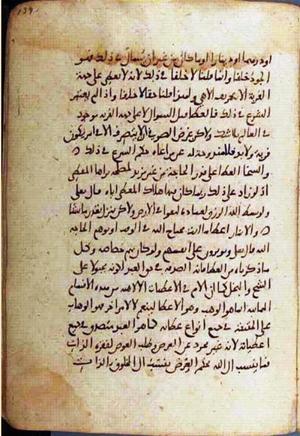
أو درهما أو دينارا أو ما كان من غير أن يسأل في ذٰلك، فهو الجود خلقا. وإنما قلنا لا خلقا في ذٰلك؛ لأنه لا يعطي على جهة القربة إلا بتعريف إلهي، ولهٰذا قلنا حقا لا خلقا.

وإذا لم يعتبر الشرع في ذٰلك، فالعطاء قبل السؤال لا على جهة القربة موجود في العالم بلا شك، ولكن غرض الصوفي أن لا يتصرف إلا في أمر يكون قربة ولا بد، فلا مندوحة له عن مراعاة حكم الشرع في ذٰلك.

(السخاء والإيثار)

والسخاء العطاء على قدر الحاجة من غير مزيد، لمصلحة يراها المعطي؛ إذ لو زاد على ذٰلك، ربما كان فيها هلاك المعطي إياه. قال تعالى: ﴿ولَوْ بَسَطَ الله الرِّزْقَ لِعِبادِهِ لَبَغَوْا في الْأَرْضِ ولكِنْ يُنَزِّلُ بِقَدَرٍ ما يَشاءُ﴾ [الشورى: ٢٧].

والإيثار إعطاء ما أنت محتاج إليه في الوقت أو توهم الحاجة إليه. قال تعالى: ﴿ويُؤْثِرُونَ عَلى أَنْفُسِهِمْ ولَوْ كانَ بِهِمْ خَصاصَةٌ﴾ [الحشر: ٩].

(الوهب الإلهي والصدقة الإنسانية)

وكل ما ذكرناه من (أنواع) العطاء فإنه الصدقة في حق العبد؛ لكونه مجبولا على الشح والبخل، كما أن الأُمّ في الأعطيات الإلهية[39] من هذه الأقسام الثمانية إنما هو الوهب، وهو الإعطاء لينعم لا لأمر آخر؛ فهو الوهاب على الحقيقة في جميع أنواع عطائه، كما هو العبد متصدق في جميع أعطياته؛ لأنه غير مجرد عن الغرض وطلب العوض، لفقره الذاتي.

فما ينسب إلى الله بحكم العرض، ينسب إلى المخلوق بالذات؛

Notlar

[39]

(قُرئ «الأُمّ» بمقابلة الطبعة الأحدث، في بيان أصل الأعطيات الإلهية وهو الوهب؛ وصُحح الرسم السابق «آلام».)
İngilizce

a dirham, a dinar, or anything else without being asked for it, this is generosity in the creature. We denied it to creation in the former sense because the creature gives as an act of nearness only after divine instruction. That is why we said it belongs to the Real alone.

If one leaves the Law out of consideration, giving before a request, without the intention of nearness, undoubtedly occurs in the world. But the Sufi aims to act only in what is necessarily an act of nearness, so he must take the Law’s ruling into account.

(Liberality and Preferring Others)

Liberality is giving according to need without adding more, for a benefit the giver perceives. An increase might destroy the recipient. He, exalted is He, says, “Had God expanded provision for His servants, they would have transgressed on earth. But He sends down in a measure what He wills” [al-Shura 42:27].

Preferring others is giving what you presently need or imagine you need. He, exalted is He, says, “They prefer others over themselves even though they are in want” [al-Hashr 59:9].

(Divine Bestowal and Human Charity)

Every kind of giving we have mentioned is charity in the servant’s case, because he is constituted with avarice and stinginess. Likewise, the mother of divine gifts[39] among these eight divisions is free bestowal, giving to confer a benefit without any other aim. In every kind of giving He is truly the Bestower, just as the servant is a giver of charity in all his giving. The servant’s intrinsic poverty means he is never free of purpose and seeking a return.

What is ascribed to God incidentally is ascribed to the creature essentially,

Notlar

[39]

(“The mother” follows the newer edition in identifying free bestowal as the root of divine gifts. The earlier spelling ālām has been corrected.)

Yazma görüntüsüYazma cildi 8 · Sayfa 268

Arapça ve İngilizce aynı Konya sayfa kimliğiyle bağlanır. Sayfa eşleştirmesi yaklaşıktır; doğrulamak için yazma görüntüsüne bakın.

Kahire kaynak referansı

Ibn al-Arabi, The Meccan Revelations — Yazma cildi 8 · Sayfa 268 — https://www.futmak.com/turkce/konya/pages.php?id=2480&text=both