
Futmak · الفتوحات المكية · Meccan Revelations

Fütûhât-ı Mekkiyye

Yazma cildi 8 · Sayfa 121

Konya yazması

Arapça kaynağı açİngilizce çeviriyi aç

Arapça

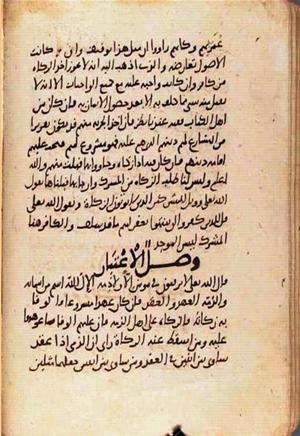
عمر بهم وكأنهم رأوا أن مثل هٰذا توقيف وإن كانت الأصول تعارضه.

والذي أذهب إليه أنه لا يجوز أخذ الزكاة من كافر وإن كانت واجبة عليه مع جميع الواجبات إلا أنه لا يقبل منه شيء مما كلف به إلا بعد حصول الايمان به.

فإن كان من أهل الكتاب ففيه عندنا نظر فإن أخذ الجزية منهم قد يكون تقريرا من الشارع لهم دينهم الذي هم عليه فهو مشروع لهم فيجب عليهم إقامة دينهم فإن كان فيه أداء زكاة وجاءوا بها، قبلت منهم، والله أعلم.

وليس لنا طلب الزكاة من المشرك وإن جاء بها قبلناها يقول الله تعالى: ﴿ووَيْلٌ لِلْمُشْرِكِينَ الَّذِينَ لا يُؤْتُونَ الزَّكاةَ﴾ [فصلت: ٦، ٧] ويقول الله تعالى: ﴿قُلْ لِلَّذِينَ كَفَرُوا إِنْ يَنْتَهُوا يُغْفَرْ لَهُمْ ما قَدْ سَلَفَ﴾ [الأنفال: ٣٨] والكافر هنا (هو) المشرك، ليس الموحد.

وصل

الاعتبار

قال الله تعالى: ﴿لا يَرْقُبُونَ في مُؤْمِنٍ إِلًّا ولا ذِمَّةً﴾ [التوبة: ١٠] الإل (هو) الله، اسم من أسمائه؛ والذمة (هي) العهد والعقد فإن كان عهدا مشروعا فالوفاء به زكاته، فالزكاة على أهل الذمة فإن عليهم الوفاء بما عوهدوا عليه.

ومن أسقط عنه الزكاة، رأى أن الذمي إذا عقد ساوى بين اثنين في العقد ومن ساوى بين اثنين جعلهما مثلين
İngilizce

ʿUmar toward them. They seem to have considered such a matter to rest on revealed instruction, though the established principles oppose it.

I hold that almsgiving may not be taken from an unbeliever, even though it is obligatory for him along with all other obligations. Nothing he is charged with is accepted from him until he has acquired faith in it.

If he is one of the People of the Book, however, there is a question for us to consider. Taking jizyah from them may amount to the Lawgiver’s confirmation of the religion they follow, so that it is prescribed for them. They must therefore uphold their religion. If it includes paying alms and they bring them, they are accepted from them. God knows best.

We may not demand almsgiving from someone who ascribes partners to God, but if he brings it, we accept it. God, exalted is He, says, “Woe to those who ascribe partners, those who do not give alms” [Fussilat 41:6–7]. God, exalted is He, also says, “Say to those who disbelieve that if they desist, what has passed will be forgiven them” [al-Anfal 8:38]. The unbeliever here is the one who ascribes partners, as distinct from the one who affirms unity.

Continuation

The Inward Application

God, exalted is He, said, “They respect neither an ill nor a covenant in a believer” [al-Tawbah 9:10]. Ill is God, one of His names, while dhimmah is a covenant and a contract. If it is a prescribed covenant, fulfilling it is its almsgiving. Almsgiving thus applies to the people of the covenant, since they must fulfill what they covenanted to do.

Whoever exempts him from almsgiving considers that, in concluding a contract, the person under covenant places two parties on an equal footing. Whoever makes two equal makes them alike,

Notlar

Translator’s note TN2333-1: The author expressly interprets ill in Quran 9:10 as a divine name and dhimmah as a covenant. The English retains ill so that his interpretation remains visible. Protected non-Muslims are called ahl al-dhimmah in the legal discussion.

Yazma görüntüsüYazma cildi 8 · Sayfa 121

Arapça ve İngilizce aynı Konya sayfa kimliğiyle bağlanır. Sayfa eşleştirmesi yaklaşıktır; doğrulamak için yazma görüntüsüne bakın.

Kahire kaynak referansı

Ibn al-Arabi, The Meccan Revelations — Yazma cildi 8 · Sayfa 121 — https://www.futmak.com/turkce/konya/pages.php?id=2333&text=both