
Futmak · الفتوحات المكية · Meccan Revelations

Fütûhât-ı Mekkiyye

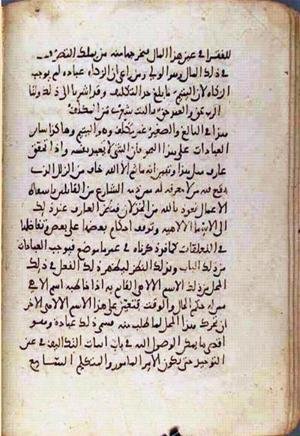
Yazma cildi 8 · Sayfa 119

Konya yazması

Arapça kaynağı açİngilizce çeviriyi aç

Arapça

للفقراء في عين هٰذا المال فيخرجها منه من يملك التصرف في ذٰلك المال وهو الولي.

ومن راعى أن الزكاة عبادة لم يوجب الزكاة لأن اليتيم ما بلغ حد التكليف وقد أشرنا إلى ذٰلك. ولنا:

الرب حق، والعبد حق يا ليت شعري من المكلَّف

هٰذا في البالغ؛ والصغير غير مكلف، وهو اليتيم وهكذا سائر العبادات على هٰذا النحو فإن الشيء لا يعبد نفسه. وإذا تحقق عارف مثل هٰذا وتبين أنه ما ثم إلا الله، خاف من الزلل الذي يقع فيه[21] من لا معرفة له ممن ذمه الشارع من القائلين بإسقاط الأعمال؛ نعوذ بالله من الخذلان.

(إثبات التكليف في عين التوحيد)

فنظر العارف عند ذٰلك إلى الأسماء الإلهية وتوقف أحكام بعضها على بعض وتفاضلها في التعلقات كما قد ذكرناه في غير ما موضع فيوجب العبادات من ذٰلك الباب وبذٰلك النظر ليظهر ذٰلك الفعل في ذٰلك المحل من ذٰلك الاسم الإلهي القائم به إذا خاطبه اسم إلهي ممن له حكم الحال والوقت فتعين على هٰذا الاسم الإلهي الآخر إن تحرك هٰذا المحل لما طلب منه فسمى ذٰلك عبادة، وهو أقصى ما يمكن الوصول إليه في باب إثبات التكاليف في عين التوحيد حتى يكون الآمر (هو) المأمور والمتكلم (هو) السامع.

Notlar

[21]

(ينبّه المؤلف صراحة إلى أن اعتباره في التوحيد لا يسقط الأعمال والتكاليف؛ ثم يبيّن وجه إثباتها.)
İngilizce

of the poor in that very property. The one entitled to dispose of the property, the guardian, pays it out.

Whoever considers almsgiving an act of worship does not make it obligatory, since the orphan has not reached the age of legal responsibility. We have indicated this already. We have written:

The Lord is real and the servant is real. Would that I knew who is charged!

This concerns the adult. The minor is not legally responsible, and he is the orphan. The other acts of worship follow the same pattern, for a thing does not worship itself. When a knower realizes this and sees that there is only God, he fears the error into which those without knowledge fall,[21] those the Lawgiver censures for holding that works fall away. We seek refuge in God from abandonment.

(Affirming Responsibility in the Very Reality of Unity)

The knower then considers the divine names, the dependence of some of their rulings on others, and their differing degrees in their relations, as we have mentioned in many places. On this basis and with this consideration he affirms the acts of worship, so that the act may appear in that locus from the divine name subsisting in it. When a divine name that governs the state and the moment addresses it, this other divine name must set the locus in motion to do what is asked of it. This is called worship. It is the furthest one can reach in affirming legal responsibilities within the very reality of unity, such that the one commanding is the one commanded and the one speaking is the one hearing.

Notlar

[21]

(The author explicitly cautions that his inward consideration of unity does not abolish works and responsibilities. He then explains how they are affirmed.)

Yazma görüntüsüYazma cildi 8 · Sayfa 119

Arapça ve İngilizce aynı Konya sayfa kimliğiyle bağlanır. Sayfa eşleştirmesi yaklaşıktır; doğrulamak için yazma görüntüsüne bakın.

Kahire kaynak referansı

Ibn al-Arabi, The Meccan Revelations — Yazma cildi 8 · Sayfa 119 — https://www.futmak.com/turkce/konya/pages.php?id=2331&text=both