Fütûhât-ı Mekkiyye

Yazma cildi 8 · Sayfa 72

Konya yazması

Arapça kaynağı açİngilizce çeviriyi aç

Arapça

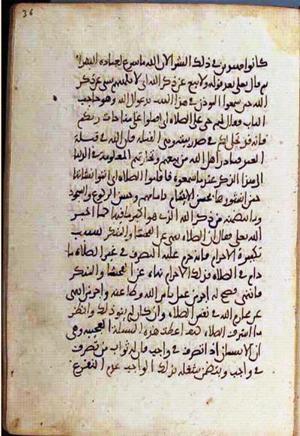
كانُوا مُهْتَدِينَ﴾ [البقرة: ١٦] في ذٰلك الشراء لأن الله ما شرع لعباده الشراء.

(النداء وإقامة الصلاة)

ثم قال تعالى بعد قوله: ﴿ولا بَيْعٌ عَنْ ذِكْرِ الله﴾ [النور: ٣٧] أي لا يلهيهم شيء عن ذكر الله حين سمعوا المؤذن في هٰذا البيت يدعو إلى الله وهو حاجب الباب فقال لهم: «حي على الصلاة»، أي أقبلوا على مناجاة ربكم فإنه قد تجلى لكم في صدر بيته وهي القبلة؛ فإن الله في قبلة العبد.

فبادر أهل الله من بيعهم وتجارتهم المعلومة في الدنيا إلى هٰذا الذكر عند ما سمعوه فأقاموا الصلاة، أي أتموا نشأتها حين أنشئوها بحسن الائتمام بإمامهم وحسن الركوع والسجود وما تتضمنه من ذكر الله الذي هو أكبر ما فيها كما أخبر الله تعالى فقال: ﴿إِنَّ الصَّلاةَ تَنْهى عَنِ الْفَحْشاءِ والْمُنْكَرِ﴾ [العنكبوت: ٤٥] بسبب تكبيرة الإحرام فإنه حرم عليه التصرف في غير الصلاة ما دام في الصلاة فذٰلك الإحرام نهاه عن الفحشاء والمنكر فانتهى، فصح له أجر من عمل بأمر الله وطاعته وأجر من انتهى عن محارم الله في نفس الصلاة وإن كان لم ينو ذٰلك.

(ثواب الفعل وثواب الترك)

وانظر ما أشرف الصلاة! كيف أعطت هذه المسألة العجيبة، وهي أن الإنسان إذا تصرف في واجب فإن له ثواب من تصرف في واجب ويتضمن شغله بذٰلك الواجب عدم التفرغ
İngilizce

were they guided” [al-Baqarah 2:16] in that purchase, for God has not prescribed buying for His servants.

(The Call and the Establishment of Prayer)

Then He, exalted is He, said after “nor sale,” “from remembrance of God” [al-Nur 24:37]. Nothing distracts them from remembering God when they hear the caller to prayer in this house summoning them to God. He is the gatekeeper and says to them, “Come to prayer,” meaning, “Come to intimate converse with your Lord, for He has disclosed Himself to you at the front of His house,” which is the direction of prayer. God is in the servant’s direction of prayer.

When they hear this remembrance, the people of God hasten to it from their trade and sale as these are known in this world. They establish prayer, meaning that they bring its formation to completion when they bring it into being, by following their leader well, bowing and prostrating well, and completing the remembrance of God it contains, which is the greatest thing in it. God Most High has told us, “Prayer restrains from indecency and wrongdoing” [al-ʿAnkabut 29:45]. This is through the opening proclamation of consecration, for it forbids him to act outside the prayer as long as he is in prayer. That consecration restrains him from indecency and wrongdoing, and he refrains. He therefore receives the reward of one who acts by God’s command in obedience to Him and the reward of one who refrains from what God has forbidden within the prayer itself, even if he did not intend this.

(The Reward of Acting and the Reward of Refraining)

Consider how noble prayer is and how it yields this wondrous result. When a person carries out an obligation, he receives the reward of one who performs an obligation. Being occupied with that obligation also leaves him no leisure

Notlar

Translator’s note TN2284-1: The opening proclamation is takbīrat al-iḥrām. Iḥrām makes other acts forbidden during the prayer, and the author derives from this the reward for refraining in addition to the reward of the prayer itself.

Yazma görüntüsüYazma cildi 8 · Sayfa 72

Arapça ve İngilizce aynı Konya sayfa kimliğiyle bağlanır. Sayfa eşleştirmesi yaklaşıktır; doğrulamak için yazma görüntüsüne bakın.

Kahire kaynak referansı

Ibn al-Arabi, The Meccan Revelations — Yazma cildi 8 · Sayfa 72 — https://www.futmak.com/turkce/konya/pages.php?id=2284&text=both