
Futmak · الفتوحات المكية · Meccan Revelations

Fütûhât-ı Mekkiyye

Yazma cildi 7 · Sayfa 302

Konya yazması

Arapça kaynağı açİngilizce çeviriyi aç

Arapça

في الصورة، فهو حي غير متصف بالموت، فلا يجب غسله على الحي العالم بكون ما هو فيه إنه شبهة، فليس للمجتهد أن يحكم على المجتهد[91]، فإن الشرع قرر حكمهما.

كمن يرى أن صفات الحق (هي) تعلق ذاته بما يجب لتلك النسب من الحكم، ويرى آخر ان صفات الحق أعيان زائدة على ذات الحق، وقد اجتمعا في كون الحق حيا عالما قادرا مريدا سميعا بصيرا متكلما، هٰذا في العقائد، وذٰلك عن نظر واجتهاد، فهو قتيل ميت عند النافي، صاحب شبهة، وهو حي عند نفسه وعند ربه، صاحب دليل، وإن أخطأ، فلا يجب غسله.

(اختلاف الاجتهاد وحكم الحاكم)

وكذٰلك في الظنيات، ليس للشافعي مثلا، إذا كان حاكما أن يرد شهادة الحنفي، إذا كان عدلا، مع اعتقاد تحليل النبيذ، ويحده عليه إن شربه الحنفي، لكونه حاكما يرى تحريمه لدليله، فيجب عليه إقامة الحد.

وكالحنفي، إذا كان حاكما، وقد رأى شافعيا تزوج بابنته المخلوقة من ماء الزنا منه، ويشهد عنده، فلا يرد شهادته، إذا كان عدلا، ويفرق بينه وبين زوجته، التي هي ابنته لصلبه المخلوقة من ماء الزنا، لكونه حاكما ذا سلطان، فإنه صاحب الوقت.

فهٰذا بمنزلة الشهيد لا يغسل، وإن كنا نشهد حسا أن روحه فارقت

Notlar

[91]

(يفرق السياق بين إبطال حكم الاجتهاد في حق صاحبه وبين عمل الحاكم بما يقتضيه اجتهاده وسلطانه؛ وتأتي الأمثلة بعده لبيان هذا التفريق.)
İngilizce

form. He is thus alive and undescribed by death. The living person who knows that he is caught in a specious argument is under no obligation to wash him. One independent jurist may not pass judgment over another[91], for the revealed Law has affirmed the rulings of both.

For example, one holds that the attributes of the Real are the relation of His Essence to what these relations necessarily entail by way of determination. Another holds that the attributes of the Real are entities additional to the Essence of the Real. They agree that the Real is living, knowing, powerful, willing, hearing, seeing, and speaking. This concerns beliefs reached through inquiry and independent judgment. In the eyes of the one who denies the other view, he is slain and dead, the possessor of a specious argument. Yet in his own eyes and before his Lord he is alive, the possessor of a proof, even if he is mistaken. He need not be washed.

(Differences of Independent Judgment and the Judge’s Ruling)

Likewise, in matters admitting probable judgments, a Shāfiʿī who is a judge, for example, may not reject the testimony of an upright Ḥanafī who believes nabīdh permissible. He nonetheless imposes the prescribed punishment on the Ḥanafī if he drinks it, since as a judge he holds it forbidden on the basis of his proof and must impose the punishment.

Likewise, if a Ḥanafī is a judge and sees a Shāfiʿī who has married his daughter, conceived from his semen through illicit intercourse, and who testifies before him, he does not reject his testimony if he is upright. He separates him from his wife, who is his biological daughter conceived through illicit intercourse, because he is a judge with authority and therefore presides over the moment.

This is like the martyr who is not washed, even though we perceive with our senses that his spirit has left

Notlar

[91]

(The context distinguishes invalidating the outcome of independent judgment for the person who reached it from the judge’s acting according to his own independent judgment and authority. The following examples illustrate this distinction.)

Translator’s note TN2196-1: Nabīdh is the drink disputed in the first legal example. The point concerns the distinction between accepting a person’s upright standing and applying the ruling followed by the judge.

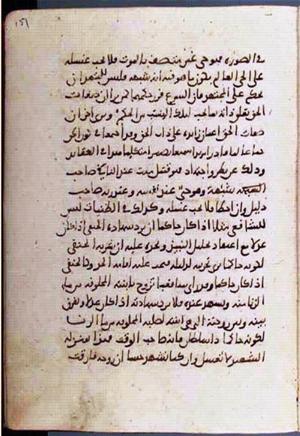
Yazma görüntüsüYazma cildi 7 · Sayfa 302

Arapça ve İngilizce aynı Konya sayfa kimliğiyle bağlanır. Sayfa eşleştirmesi yaklaşıktır; doğrulamak için yazma görüntüsüne bakın.

Kahire kaynak referansı

Ibn al-Arabi, The Meccan Revelations — Yazma cildi 7 · Sayfa 302 — https://www.futmak.com/turkce/konya/pages.php?id=2196&text=both