
Futmak · الفتوحات المكية · Meccan Revelations

Fütûhât-ı Mekkiyye

Yazma cildi 1 · Sayfa 208

Konya yazması

Arapça kaynağı açİngilizce çeviriyi aç

Arapça

فكان يتذكَّر، عندما يرى اللَّبن، اللَّبن الَّذي شربه ليلة الإسراء فقال له جبريل: «أصبت الفطرة، أصاب الله بك أمَّتك».[249]

والفطرة علم التَّوحيد الَّتي فطر الله الخلق عليها حين أشهدهم حين قبضهم من ظهورهم (كما قال في سورة الأعراف [7]): ﴿... أَلَسْتَ بِرَبِّكُمْ قَالُواْ بَلَى ... [172]﴾ [الأعراف: ١٧٢]. فشاهَدوا الرُّبوبيَّة (لقوله: «ربِّكم») قبل كلِّ شيءٍ، ولهٰذا تأوّل صلَّى الله عليه وسلَّم اللَّبن لَمَّا شربه في النَّوم وناول فضله عمر؛ قيل: ما أوَّلته يا رسول الله؟ قال: «العلم».[250]

فلولا حقيقةُ مناسَبةٍ بين العلم واللَّبن جامعةٍ ما ظهر بصورته في عالَم الخيال، عرف ذٰلك من عرفه وجهله من جهله.

فمن كان يأخذ عن الله لا عن نفسه كيف ينتهي كلامه أبداً؟ فشتَّان بين مؤلِّفٍ يقول: «حدَّثني فلانٌ رحمه الله عن فلانٍ رحمه الله»، وبين من يقول: «حدَّثني قلبي عن ربِّي»، وإن كان هٰذا الأخير رفيع القدر فشتَّان بينه وبين من يقول: «حدَّثني ربِّي عن ربِّي»، أي حدَّثني ربِّي عن نفسه، وفيه إشارةٌ (خفيَّةٌ) الأوَّل ربّ المعتقد، والثَّاني الرَّبُّ الَّذي لا يتقيَّد؛ فهو (يأخذ) بواسطةٍ لا بواسطة.

وهٰذا هو العلم الَّذي يحصل للقلب من المشاهدة الذَّاتيَّة الَّتي منها يفيض على السِّرِّ والرُّوح والنَّفس، فمن كان هٰذا مشربه كيف يعرف مذهبه؟ فلا تعرفه حتى تعرف الله، وهو لا يعرف تعالى من جميع وجوه المعرفة (كما ذكر في مسائل الناشي والشَّادي في المقدِّمة)، كذٰلك هٰذا (العبد الذي يتلقَّى العلم اللَّدنِّيَّ) لا يعرف، فإنَّ العقل لا يدري أين هو، فإنَّ مطلبه الأكوان ولا كون لهٰذا، كما قيل:

Notlar

[249]

حديثٌ حسنٌ صحيح، ذكره البخاري ومسلم وغيرهما بمتون متشابهة، انظر مثلاً في صحيح البخاري (الجزء الثَّاني، حديث رقم: 3254، 3287، ) وفي صحيح مسلم (الجزء الأوَّل، حديث رقم: 164، 168).

[250]

الحديث ورد في صحيح البخاري ومسلم وغيرهما، انظر مثلاً في ‏صحيح البخاري (حديث رقم: 82، 3478، 6604، 6605، 6624، 6627)، وفي صحيح مسلم (حديث رقم: 2391).
İngilizce

and, on seeing milk, he would remember the milk he drank on the night of the Night Journey, when Gabriel said to him, “You have attained the primordial nature; may God bring your community to it through you.”[249]

The primordial nature is the knowledge of Unity upon which God fashioned creation when He called them to witness, when He took them from their backs, saying, “… Am I not your Lord? They said: Yes …” [Qur’an 7:172]. They witnessed Lordship before anything else (as indicated by “your Lord”). Thus he—may God bless him and grant him peace—interpreted the milk he drank in a dream, after giving what remained to Umar. He was asked, “How did you interpret it, Messenger of God?” He replied, “Knowledge.”[250]

Were there no reality of correspondence uniting knowledge and milk, knowledge would not appear in milk’s form in the world of imagination. Those who know this know it, and those ignorant of it remain ignorant.

How could the speech of someone who receives from God rather than from himself ever end? What a difference there is between an author who says, “So-and-so, may God have mercy upon him, related to me from so-and-so, may God have mercy upon him,” and one who says, “My heart related to me from my Lord.” Yet, exalted as the latter’s rank is, what a difference there is between him and one who says, “My Lord related to me from my Lord”—that is, my Lord related to me concerning Himself. There is a hidden indication here: the first is the lord of belief, while the second is the Lord who is unrestricted. Thus he receives through an intermediary, without an intermediary.

This is the knowledge the heart obtains through witnessing of the Essence, from which it overflows upon the secret, the spirit, and the soul. How can the way of one whose source of drinking is this be known? You cannot know him until you know God; and He, exalted is He, is not known in every aspect of knowledge (as mentioned in the questions of The Beginner and the Student of the Rudiments in the introduction). Likewise, this servant who receives knowledge from the Divine Presence is not known. Reason does not know where he is, for its objects of inquiry are created beings, and this one has no created being of his own. As it has been said:

Notlar

[249]

A fair and sound report, related by al-Bukhari, Muslim, and others in similar wordings. See, for example, Sahih al-Bukhari, vol. 2, hadith nos. 3254 and 3287; and Sahih Muslim, vol. 1, hadith nos. 164 and 168.

[250]

The report occurs in Sahih al-Bukhari, Sahih Muslim, and elsewhere. See, for example, Sahih al-Bukhari, hadith nos. 82, 3478, 6604, 6605, 6624, and 6627; and Sahih Muslim, no. 2391.

Translator’s note TN208-1: “Primordial nature” renders fitrah. “The lord of belief” renders rabb al-mutaqad and is explicitly contrasted here with the unrestricted Lord. The paradox “through an intermediary, without an intermediary” is retained from the source.

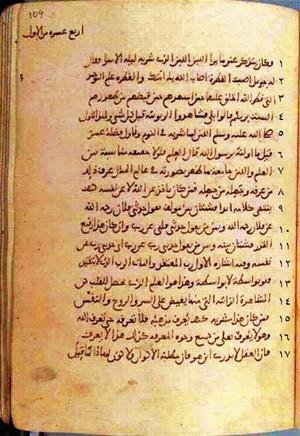
Yazma görüntüsüYazma cildi 1 · Sayfa 208

Arapça ve İngilizce aynı Konya sayfa kimliğiyle bağlanır. Sayfa eşleştirmesi yaklaşıktır; doğrulamak için yazma görüntüsüne bakın.

Kahire kaynak referansı

Ibn al-Arabi, The Meccan Revelations — Yazma cildi 1 · Sayfa 208 — https://www.futmak.com/turkce/konya/pages.php?id=208&text=both