
Futmak · الفتوحات المكية · Meccan Revelations

Fütûhât-ı Mekkiyye

Yazma cildi 1 · Sayfa 203

Konya yazması

Arapça kaynağı açİngilizce çeviriyi aç

Arapça

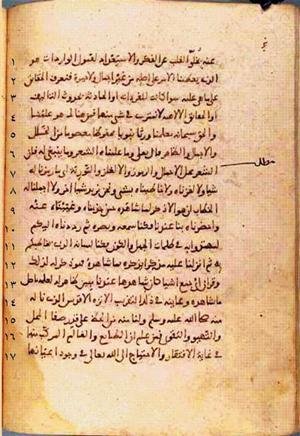
عنه بِخُلُوِّ القلبِ عنِ الفِكرِ والاسْتِعدَادِ لِقَبولِ الوَارِدَاتِ، هو الَّذي يُعطينَا الأَمْرَ على أَصْلِهِ (بالتَّفصيل) من غيرِ إِجْمالٍ ولا حَيْرَة، فنعرِفُ الحَقَائِقَ عَلى ما هِي عَلَيهِ سَوَاءٌ كانت (الحقائقُ) المُفْرَدَاتُ أو (الحقائقُ المركَّبةُ) الحَادِثَةُ بحدوثِ التَّأليفِ أو الحقائقُ الإلهيَّة، لا نمتري في شيءٍ منها،

فمِنْ هناك هو عِلمُنا والحقُّ سبحانَهُ مُعَلِّمُنُا، وِرْثاً نَبَوِيّاً محفوظاً معصوماً مِنَ الخَلَلِ والإِجمالِ والظَّاهِر؛ (كما) قال تعالى: ﴿وَمَا عَلَّمْنَاهُ الشِّعْرَ وَمَا يَنبَغِي لَهُ﴾ [يس: ٦٩]، فإنَّ الشِّعرَ مَحلُّ الإِجمال والرُّموزِ والأَلغازِ والتَّورِية؛

(فيكون معنى هذه الآية) أي ما رَمَزْنَا له شيئاً ولا لَغَزْنَاهُ ولا خَاطَبْنَاهُ بشيْءٍ ونحن نُرِيدُ شيئاً آخرً ولا أَجْمَلْنَا له الخِطَابْ، (بل كما قال الله تعالى: في تَتِمَّةِ هذه الآية) ﴿إِنْ هُوَ إِلَّا ذِكْرٌ وَقُرْآنٌ مُّبِينٌ﴾ [يس: ٦٩] لِما شَاهَدَهُ حِينَ جَذَبْنَاهُ وغَيَّبْنَاهُ عنهُ (أي عن نفسه) وأحضرناه بِنا عِندنا فكُنَّا سمعَهُ وبَصَرَهُ (كما ورد في الحديث)،[245]

ثمَّ رَدَدْنَاهُ إِليكُمْ لِتَهْتَدُوا به في ظُلُمَاتِ الجَهْلِ والكَوْنِ (أي ظلمات الطَّبيعة)، فكُنَّا لِسَانَهُ الَّذي يُخاطِبُكم به، ثمَّ أنْزَلْنَا عَلَيْهِ مُذَكِّراً يُذَكِّرُهٌ بما شَاهَدَهُ (وهو جبريل عليه السَّلام) فَهُوَ ذِكْرٌ لَهُ لِذٰلك، ﴿وَقُرْآنٌ﴾؛ أي جَمْعُ[246] أَشْيَاءَ كان شَاهَدَهَا عِندنَا، ﴿مُبِينٌ﴾ (أي) ظَاهِرٌ لَهُ لِعِلْمِهِ بِأَصْلِ ما شَاهَدَهُ وعَايَنَهُ في ذٰلك التَّقْرِيبِ الأَنْزَهِ الأَقْدَسِ الَّذي نَالَهُ منه (أي من الله تعالى) (رسول الله) صلَّى اللهُ عليه وسلَّم،

وَلَنَا منهُ (أي من هٰذا التَّقريب والكشف والمشاهدة) مِنَ الحظِّ على قَدَرِ صَفَاءِ المَحَلِّ والتهيّؤ والتَّقْوَى (لقولِه تعالى ﴿وَاتَّقُواْ اللّهَ وَيُعَلِّمُكُمُ اللّهُ﴾ [2-البقرة: 282]، و﴿إِنْ تَتَّقُواْ اللّهَ يَجْعَل لَّكُمْ فُرْقَاناً﴾ [8-الأنفال: 29]، أي ما تفرِّقون به بين الحقِّ والباطل).

فمن علم أنَّ الطَّبائع والعالَم المركَّب منها في غاية الافتقار والاحتياج إلى الله تعالى في وجود أعيانها

Notlar

[245]

وهو الحديث القدسي الشَّهير الَّذي ورد في صحيح البخاري (الحديث رقم: 6137) عن أبي هريرة قال: قال رسول الله صلّى الله عليه وسلّم: إنَّ الله قال: "من عادى لي وليّاً فقد آذنته بالحرب، وما تقرَّب إليَّ عبدي بشيءٍ أحبّ إليَّ ممَّا افترضت عليه، وما يزال عبدي يتقرَّبُ إليَّ بالنَّوافل حتى أحبَّهُ، فإذا أحببته: كنتُ سمعَه الَّذي يسمع به، وبصرَه الَّذي يبصر به، ويدَه الَّتي يبطش بها، ورِجله الَّتي يمشي بها، وإن سألني لأعطينَّه، ولئن استعاذني لأعيذنَّه، وما تردَّدت عن شيءٍ أنا فاعله تردُّدي عن نفس المؤمن؛ يكره الموت وأنا أكره مساءته."

[246]

للمزيد حول معاني كلمة "قرآن" راجع كتاب سلوك القلب (ص: ؟؟؟).
İngilizce

by emptying the heart of thought and preparing to receive incoming gifts, is the One who gives us the matter in its original reality, in detail, without compression or bewilderment. We thus know realities as they are, whether simple realities, composite realities arising with composition, or divine realities; we have no doubt about any of them.

From there comes our knowledge, and the Real, glory be to Him, is our teacher, through a prophetic inheritance safeguarded and protected from defect, compression, and the outward. God says: “We have not taught him poetry, nor is it fitting for him” [Qur’an 36:69]. For poetry is the domain of compression, symbols, riddles, and double meaning.

The meaning of this verse is therefore: We did not symbolize anything for him, make it a riddle, address him with one thing while intending another, or compress the address for him. Rather, as God says in the remainder of the verse, “It is only a reminder and a clear Qur’an” [Qur’an 36:69] of what he witnessed when We drew him, made him absent from himself, and brought him through Us into Our Presence. We were his hearing and his sight, as stated in the hadith.[245]

Then We returned him to you, so that you might be guided by him through the darkness of ignorance and created existence—that is, the darkness of nature. We were his tongue with which he addresses you. Then We sent down to him one who reminds him of what he witnessed—Gabriel, peace be upon him. It is thus a “reminder” for him of that; and a “Qur’an,” that is, a gathering[246] of things he witnessed in Our Presence; and “clear,” that is, manifest to him because he knows the origin of what he witnessed and beheld in that most transcendent and holy drawing-near that God’s Messenger—may God bless him and grant him peace—attained from Him.

We have a share in this drawing-near, unveiling, and witnessing in proportion to the receptacle’s purity, readiness, and mindfulness, according to His sayings: “Be mindful of God, and God teaches you” [Qur’an 2:282], and “If you are mindful of God, He will grant you a criterion of discernment” [Qur’an 8:29]—that is, something through which you distinguish the true from the false.

Whoever knows that the natures and the cosmos composed from them stand in utmost poverty and need of God for the existence of their entities—

Notlar

[245]

This is the well-known divine hadith in Sahih al-Bukhari (no. 6137), related by Abu Hurayrah, who said that God’s Messenger—may God bless him and grant him peace—said: God said, “Whoever shows enmity toward a friend of Mine, I declare war upon him. My servant draws near to Me with nothing more beloved to Me than what I have made obligatory upon him. My servant continues drawing near to Me through supererogatory acts until I love him. When I love him, I am his hearing with which he hears, his sight with which he sees, his hand with which he grasps, and his foot with which he walks. If he asks Me, I shall surely give to him; if he seeks refuge in Me, I shall surely protect him. I hesitate over nothing that I do as I hesitate over taking the believer’s soul: he dislikes death, and I dislike distressing him.”

[246]

For more on the meanings of the word “Qur’an,” see Suluk al-Qalb (p. ??? [reference unfinished]).

Translator’s note TN203-1: The exposition shifts into an interpretive divine first-person voice after the quoted verse. Only the explicitly identified Qur’anic quotations are presented as scripture; the intervening first-person explanation remains the author’s exposition. “The outward” translates the supplied al-zahir in the phrase about protection; its exact force there is compressed and has not been replaced by a conjectured reading.

Yazma görüntüsüYazma cildi 1 · Sayfa 203

Arapça ve İngilizce aynı Konya sayfa kimliğiyle bağlanır. Sayfa eşleştirmesi yaklaşıktır; doğrulamak için yazma görüntüsüne bakın.

Kahire kaynak referansı

Ibn al-Arabi, The Meccan Revelations — Yazma cildi 1 · Sayfa 203 — https://www.futmak.com/turkce/konya/pages.php?id=203&text=both