
Futmak · الفتوحات المكية · Meccan Revelations

Fütûhât-ı Mekkiyye

Yazma cildi 7 · Sayfa 104

Konya yazması

Arapça kaynağı açİngilizce çeviriyi aç

Arapça

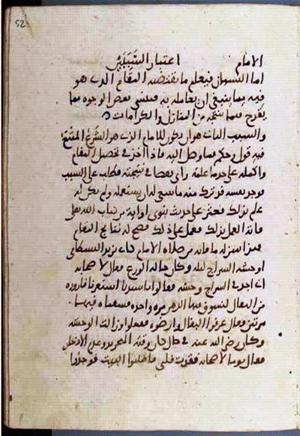
الإمام.

اعتبار السببين

أما النسيان فهو أن يعلم ما يقتضيه المقام الذي هو فيه مما ينبغي أن يعامله به، فينسى بعض الوجوه مما يقدح فيما ينتجه من المنازل والكرامات.

والسبب الثاني هو أن يكون للإمام الذي هو الشرع المتبع فيه قول وحكم، فما وصل إليه، فإذا أخذ في تحصيل المقام، وأكمله على حد ما علمه، رأى نقصا في نتيجته، فطلب على السبب، فوجد نفسه قد ترك منه ما ينبغي له أن يستعمله، ولم يكن له علم بذٰلك، فعثر على حديث نبوي، أو آية من كتاب الله تعالى، فاته العمل بذٰلك، فعمل على ذٰلك، فصح له نتائج المقام، فهٰذا بمنزلة ما فاته من صلاة الإمام.

(حكايات في استكمال مقتضى المقام)

كأبي يزيد البسطامي أوحشه السراج ليلة، وكان حاله الورع، فقال: لأصحابه: «إني أجد في السراج وحشة»، فقالوا: «يا سيدنا استعرنا قارورة من البقال لنسوق فيها الدهن مرة واحدة فسقناه فيها مرتين»، فقال: «عرفوا البقال وأرضوه»، ففعلوا، وزالت الوحشة.

وكان رضي الله عنه في حال كان وقته التجريد وعدم الادخار، فقال: يوما لأصحابه «فقدت قلبي فاطلبوا البيت»، فوجدوا
İngilizce

the imam.

The Inward Application of the Two Causes

Forgetting means that a person knows what the station he occupies requires and how he should act toward it, but forgets some aspects, to the detriment of the spiritual abodes and gifts it produces.

The second cause is that the imam, which here is the revealed Law one follows, contains a saying and a ruling that have not reached the person. He begins to attain the station and completes it to the extent of his knowledge, but sees a deficiency in its result. Looking for the cause, he finds that he omitted something he should have practiced, of which he had no knowledge. He comes upon a prophetic hadith or a verse in the Book of God, exalted is He, which he had failed to act upon. He acts upon it, and the results of the station become sound for him. This corresponds to what he missed of the imam’s prayer.

(Accounts of Completing What the Station Requires)

One night Abū Yazīd al-Bisṭāmī felt estrangement from the lamp. His state was scrupulousness. He said to his companions, “I feel an estrangement in the lamp.” They said, “Master, we borrowed a bottle from the grocer to carry oil in once, but carried it in twice.” He said, “Tell the grocer and obtain his satisfaction.” They did so, and the estrangement disappeared.

At another time his moment was one of detachment and storing nothing away. He, may God be pleased with him, said one day to his companions, “I have lost my heart. Search the house.” They found

Notlar

Translator’s note TN1998-1: The first account turns on using the borrowed bottle more times than permission covered. The second concerns tajrīd, detachment, and the particular practice of keeping no provisions.

Yazma görüntüsüYazma cildi 7 · Sayfa 104

Arapça ve İngilizce aynı Konya sayfa kimliğiyle bağlanır. Sayfa eşleştirmesi yaklaşıktır; doğrulamak için yazma görüntüsüne bakın.

Kahire kaynak referansı

Ibn al-Arabi, The Meccan Revelations — Yazma cildi 7 · Sayfa 104 — https://www.futmak.com/turkce/konya/pages.php?id=1998&text=both