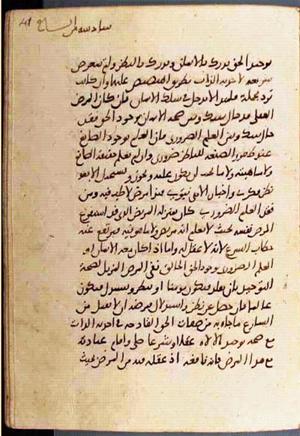
the affirmation of the Real’s oneness is apprehended through faith and through rational inquiry. No revealed law has addressed the singleness of the Essence in explicit terms, although it is mentioned in general terms. For this reason it does not fall among the matters of faith.
If an illness of the intellect has come between you and sound faith in the existence of the Real, it has come between you and necessary knowledge. When a work is apparent to an observer, knowledge that its Maker exists is necessary, even though he knows neither the Maker’s reality nor His quiddity, nor what is necessary, possible, or impossible for Him, until there has been rational reflection and divine information conveyed by a prophet. This is an illness for which there is no remedy.
Someone who has lost necessary knowledge is like a sick person whom illness has so completely taken over that he knows neither that he is ill nor the condition he is in. The address of the Law ceases to apply to him, since he lacks reason.
Someone with faith or necessary knowledge of the existence of the Real, the Creator, can dispel the illness that impairs a sound affirmation of oneness. He may follow another’s authority and be a believer, or inquire and reason from evidence and become a knower.
If he has attained it through inquiry and reasoning from evidence, his illness consists in his refusal to accept from the Lawgiver the attributes of the Real that appear to compromise the singleness of the Essence, even though his affirmation of God’s oneness is sound in reason and in the Law. He then prays and keeps up his worship despite this illness. It benefits him, for his reason is affected by this illness to such a degree
Notlar
Translator’s note TN1976-1: The passage distinguishes the singleness of the Essence (aḥadiyyah) from affirming the oneness of God (tawḥīd). It describes a rational inquirer who can affirm God’s oneness but takes some revealed descriptions of God to conflict with the singleness of the Essence.