
Futmak · الفتوحات المكية · Meccan Revelations

Fütûhât-ı Mekkiyye

Yazma cildi 6 · Sayfa 307

Konya yazması

Arapça kaynağı açİngilizce çeviriyi aç

Arapça

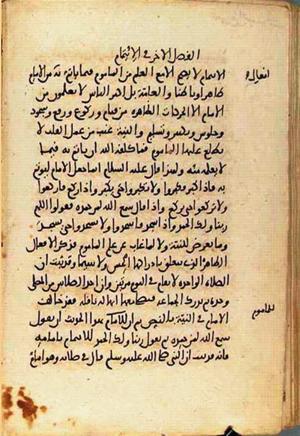
الفصل الآخر في الائتمام

الائتمام لا يصح إلا مع العلم من المأموم فيما يأتم به من أفعال الإمام ظاهرا وباطنا. والعامة، بل أكثر الناس، لا يعلمون من الإمام إلا الحركات الظاهرة، من قيام وركوع ورفع وسجود وجلوس وتكبير وتسليم. والنية غيب من عمل القلب لا يطلع عليها المأموم، فما كلفه الله أن يأتم به فيما لا يعلمه منه.

ولهٰذا قال عليه السلام: «إنما جعل الإمام ليؤتم به؛ فإذا كبر فكبروا، ولا تكبروا حتى يكبر، وإذا ركع فاركعوا، ولا تركعوا حتى يركع، وإذا قال سمع الله لمن حمده فقولوا اللهم ربنا ولك الحمد، وإذا سجد فاسجدوا، ولا تسجدوا حتى يسجد». وما تعرض للنية ولا لما غاب عن علم المأموم، فذكر الأفعال الظاهرة الذي يتعلق بإدراكها الحس.

ولا سيما وقد ثبت أن الصلاة الواحدة لا تقام في اليوم مرتين، وأن أحد الصلاتين من المصلي وحده ثم يدرك الجماعة فيصلي معها، أنها له نافلة؛ فقد خالف الإمام في النية بالنص.

ثم إن للمأموم بهٰذا الحديث أن يقول سمع الله لمن حمده، ثم يقول ربنا ولك الحمد للائتمام بإمامه؛ فإنه قد ثبت أن النبي صلى الله عليه وسلم قال في صلاته وهو إمام: «
İngilizce

Another Section on Following the Imam

Following the imam is valid only if the follower knows the imam’s acts in which he follows him, outwardly and inwardly. Ordinary people, indeed most people, know of the imam only his outward movements, such as standing, bowing, rising, prostrating, sitting, pronouncing the takbīr, and giving the salutation of peace. Intention is a hidden act of the heart of which the follower has no knowledge. God has therefore placed him under no obligation to follow the imam in what he does not know of him.

For this reason he said, peace be upon him, “The imam was appointed so that he would be followed. When he pronounces the takbīr, pronounce it. Do not pronounce it until he pronounces it. When he bows, bow. Do not bow until he bows. When he says ‘God hears whoever praises Him,’ say ‘O God, our Lord, and Yours is the praise.’ When he prostrates, prostrate. Do not prostrate until he prostrates.” He did not address intention or anything hidden from the follower’s knowledge. He mentioned the outward acts that the senses perceive.

This is particularly so since it is established that the same prayer is not performed twice in one day, and that for a person who prays alone and then catches up with the congregation and prays with it, one of the two prayers is a supererogatory prayer for him. Thus, according to the explicit text, he has differed from the imam in intention.

Furthermore, on the basis of this hadith the follower may say, “God hears whoever praises Him,” and then say, “Our Lord, and Yours is the praise,” in following his imam. For it is established that the Prophet, may God bless him and grant him peace, said in his prayer when he was imam, “

Yazma görüntüsüYazma cildi 6 · Sayfa 307

Arapça ve İngilizce aynı Konya sayfa kimliğiyle bağlanır. Sayfa eşleştirmesi yaklaşıktır; doğrulamak için yazma görüntüsüne bakın.

Kahire kaynak referansı

Ibn al-Arabi, The Meccan Revelations — Yazma cildi 6 · Sayfa 307 — https://www.futmak.com/turkce/konya/pages.php?id=1879&text=both