
Futmak · الفتوحات المكية · Meccan Revelations

Fütûhât-ı Mekkiyye

Yazma cildi 1 · Sayfa 18

Konya yazması

Arapça kaynağı açİngilizce çeviriyi aç

Arapça

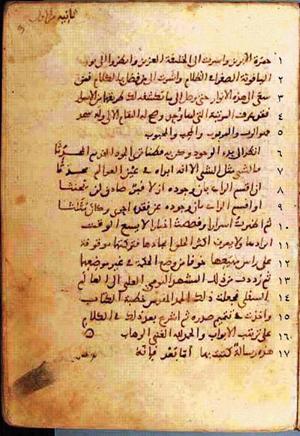
حمرة الإبريز،[62] وأشرت إلى (داود عليه السلام) الخليفة العزيز،[63] وانظروا إلى نور الياقوتة الصَّفراء في الظَّلام، وأشرت إلى (موسى صلى الله عليه وسلم) من فُضّل بالكلام.[64]

فمن سَعى إلى هذه الأنوار حتى وصل إلى ما تكشفه لك طريقها من الأسرار فقد عَرفَ المرتبة الَّتي لها وُجد، وصحَّ له المقام الإِلِّيُّ[65] وله سجد، فهو الربُّ والمربوبُ، والمحبُّ والمحبوبُ:

انْظُرْ إِلى بَدْءِ الوُجُودِ وَكُنْ بِهِ

فَطِناً تَرَ الجُودَ القَدِيمَ المُحْدَثَا

فالشَّ يْءُ مِثْلُ الشَّيْءِ إِلاَّ أَنَّهُ

أَبْدَاهُ في عَيْنِ العَوَالِمِ مُحْدَثَا

إِنْ أَقْسَمَ الرَّائِي بِأَنَّ وُجُودَهُ

أَزَلاً فَبَرٌّ صَادِقٌ لَنْ يَحْنَثَا

أَوْ أَقْسَمَ الرَّائِي بِأَنَّ وُجُودَهُ

عَنْ فَقْدِهِ أَحْرَى وَكَانَ مُثَلَّثَا

ثُمَّ أظهرْتُ أسراراً وقصَصْتُ أخباراً لا يسعُ الوقت إيرادها، ولا يَعرفُ أكثرُ الخلقِ إيجادَها، فتركتُها موقوفة على رأس مهيعها،[66] خوفاً من وضع الحكمة في غير موضعها.

ثُمَّ رُدِدْتُ من ذٰلك المشهد النوميِّ العليّ، إلى العالَم السُّفليّ، فجَعلْتُ ذٰلك الحمد المقدَّس خطبةَ الكتاب، وأخذت في تتميم صدرِه ثمَّ أُشرع بعد ذٰلك في الكلام على ترتيب الأبواب، والحمد لله الغنيُّ الوهَّاب.

(رسالة إلى صاحبه الشيخ عبد العزيز المهدوي)

هذه رسالة[67] كتبت بها؛ أمَّا بعد فإنَّه:

Notlar

[62]

الإبريز هو الذهب الخالص.

[63]

لعلّه يشير إلى سيّدنا داود عليه السّلام، وذٰلك من قوله تعالى في سورة ص (38): ﴿يَا دَاوُودُ إِنَّا جَعَلْنَاكَ خَلِيفَةً فِي الْأَرْضِ فَاحْكُم بَيْنَ النَّاسِ بِالْحَقِّ وَلَا تَتَّبِعِ الْهَوَى فَيُضِلَّكَ عَن سَبِيلِ اللَّهِ ... (26)﴾.

[64]

وهو موسى عليه السّلام، وذٰلك من قوله تعالى في سورة النساء: ﴿... وَكَلَّمَ اللّهُ مُوسَى تَكْلِيمًا (164)﴾.

[65]

الإلُّ: الرُّبُوْبِيَّةُ، وقُرْبى الرَّحِمِ، والأصْلُ الجَيِّدُ، والمَعْدِنُ (المحيط في اللغة الصاحب بن عباد الصفحة : 966 ورّاق ؟؟؟)؛ فهي هنا مقام الرُّبوبيَّة. ............... كتاب التنزلات الموصلية

[66]

المهيع: أي الواسع والواضح، يقول ابن منظور في لسان العرب: هِعْت أَهاعُ هَيْعاً من الحُبِّ والحُزْنِ. وأَرضٌ هَيْعةٌ: واسعةٌ مَبْسوطة، وهاع الشَّيءُ يَهِيع هِياعاً: اتَّسَعَ وانْتَشَر. وطريق مَهْيَعٌ: واضِحٌ واسِعٌ بَيِّنٌ، وجَمْعُه مَهايِعُ.

[67]

يشير العديد من الباحثين إلى أنَّ هذه الفتوحات المكية ربما في البداية مجرد رسالة موجّهة من الشيخ ابن العربي إلى صاحبه عبد العزيز المهدوي في تونس والَّذي زاره سنة 590/1194 وسنة 597/1201 أثناء قدومه إلى مكَّة، كما اشار إلى ذلك الباحث عثمان يحيى في دراسته في تصنيف كتب الشيخ محي الدين. ولكن ذلك يجافي الحقيقة لأن الشيخ رضي الله عنه أوضح في الباب الأول من الكتاب أنه أخذه عن الروح الذي التقاه اثناء طوافه حول الكعبة المشرفة، لكنه يبدو أنه أضاف هذه الرسالة في خطبة الكتاب، والتي هو نفسه لا يعدها من الكتاب كما أوضح في بدايتها، لما فيها من المناسبة التي يشرح فيها لصاحبة ما حصله في قدومه إلى مكة المكرمة. وللمزيد راجع الدراسة حول الفتوحات المكية في مقدمة هذه الطبعة.
İngilizce

the redness of pure gold[62]—I pointed to David, peace be upon him, the mighty vicegerent.[63] Look at the light of the yellow ruby in the darkness—I pointed to Moses, blessings and peace be upon him, who was favoured with divine speech.[64]

Whoever strives toward these lights until he reaches the secrets their path unveils has known the rank for which he was brought into existence. The station of lordship[65] is established for him, and to it he prostrates himself. He is lord and subject to lordship, lover and beloved:

Look upon the beginning of existence and attend to it;
You will see beginningless generosity newly brought forth.

A thing is like a thing, except that He
Displayed it newly originated within the worlds.

If the beholder swears that its existence
Is beginningless, he is truthful and will not break his oath.

Or if the beholder swears that its existence
Follows its absence, that is more fitting; and it was threefold.

Then I disclosed secrets and related accounts that there is no time to set down, and whose bringing into being most creatures do not know. I left them waiting at the entrance to their broad path,[66] fearing to place wisdom where it does not belong.

Then I was returned from that exalted dream-vision to the lower world. I made that sanctified praise the preface to the book, and began completing its opening, after which I would proceed to discuss its chapters in order. Praise belongs to God, the Self-Sufficient, the Bestower.

(A Letter to His Companion, Shaykh Abd al-Aziz al-Mahdawi)

This is a letter[67] I wrote. To proceed:

Notlar

[62]

Ibriz is pure gold.

[63]

Perhaps he is pointing to our master David, peace be upon him, from His saying in Surat Sad (38): “David, We have made you a vicegerent upon the earth, so judge between people with truth and do not follow desire, lest it lead you astray from God’s path …” [38:26].

[64]

This is Moses, peace be upon him, from His saying in Surat al-Nisa: “… God spoke to Moses directly” [4:164].

[65]

Ill: lordship, kinship, good origin, and source or substance (al-Sahib ibn Abbad, al-Muhit fi al-Lughah, p. 966, al-Warraq ??? [reference unfinished]). Here, then, it is the station of lordship. … Kitab al-Tanazzulat al-Mawsiliyyah [the source leaves the remainder of this note unfinished].

[66]

Mahyaʿ means broad and clear. Ibn Manzur says in Lisan al-Arab: “Hiʿtu, ahaʿu, hayʿan, from love and grief. Land described as hayʿah is wide and spread out. A thing haʿa, yahiʿu, hiyaʿan when it expanded and spread. A road described as mahyaʿ is clear, broad, and evident; its plural is mahayiʿ.”

[67]

Many researchers suggest that these Meccan Revelations may originally have been merely a letter from Shaykh Ibn al-Arabi to his companion Abd al-Aziz al-Mahdawi in Tunis, whom he visited in 590 AH/1194 CE and in 597 AH/1201 CE on his way to Mecca. Uthman Yahya also suggested this in his study classifying Shaykh Muhyi al-Din’s works. Yet this conflicts with the facts, because the Shaykh, may God be pleased with him, explains in the first chapter that he received the book from the spirit he met while circumambulating the honoured Kaaba. It appears, rather, that he added this letter to the book’s preface—which he himself does not count as part of the book, as he explained at its beginning—because of its relevance in telling his companion what he had attained upon arriving in honoured Mecca. For more, see the study of al-Futuhat al-Makkiyyah in the introduction to this edition.

Translator’s note TN18-1: The final verse’s phrase “and it was threefold” is compressed and its referent is not made explicit. It may be read alongside the preceding discussion of two premises and their result, but the translation retains the phrase without making that connection definitive.

Yazma görüntüsüYazma cildi 1 · Sayfa 18

Arapça ve İngilizce aynı Konya sayfa kimliğiyle bağlanır. Sayfa eşleştirmesi yaklaşıktır; doğrulamak için yazma görüntüsüne bakın.

Kahire kaynak referansı

Ibn al-Arabi, The Meccan Revelations — Yazma cildi 1 · Sayfa 18 — https://www.futmak.com/turkce/konya/pages.php?id=18&text=both