
Futmak · الفتوحات المكية · Meccan Revelations

Fütûhât-ı Mekkiyye

Yazma cildi 6 · Sayfa 134

Konya yazması

Arapça kaynağı açİngilizce çeviriyi aç

Arapça

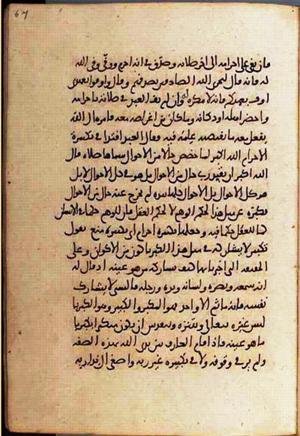
فإن بقي على إحرامه إلى آخر صلاته وصدق في أنه أحرم ووفى وفى الله له؛ فإنه قال: ﴿لِيَجْزِيَ الله الصَّادِقِينَ بِصِدْقِهِمْ﴾ [الأحزاب: ٢٤] وقال: ﴿أَوْفُوا بِعَهْدِي أُوفِ بِعَهْدِكُمْ﴾ [البقرة: ٤٠]؛ فإنه لا مكره له.

وإن لم يف العبد في صلاته بإحرامه وأحضر أهله أو دكانه وما كان من أغراضه معه فأمره إلى الله يفعل معه ما يقتضيه علمه فيه.

فقال العبد اقتداء في تكبيرة الإحرام: «الله أكبر» لما خصص حالا من الأحوال سماها صلاة قال: «الله أكبر» أن يقيد ربي حال من الأحوال بل هو في كل الأحوال لا بل هو كل الأحوال بل الأحوال كلها بيده لم يخرج عنه حال من الأحوال.

فكبره عن مثل هٰذا لحكم الوهم لا لحكم العقل؛ فإن للوهم حكما في الإنسان، كما للعقل حكما فيه.

وجعلها تكبيرة إحرام، أي تكبيرة منع يقول تكبير لا يشاركه في مثل هٰذا الكبرياء كون من الأكوان.

وعلى الحقيقة التي أخبرنا بها كيف يشاركه من هو عينه؟ إذ قال له إنه سمعه وبصره ولسانه ويده ورجله فالشيء لا يشارك نفسه؛ فإنه ما ثم إلا واحد، فهو المكبر والكبير، وهو الكبرياء ليس غيره. يتعالى ويتنزه ويتقدس أن يكون متكبرا بكبرياء ما هو عينه.

(حلل الثناء وطهارة القلب)

فإذا قام العارف بين يدي الله بهذه الصفة ولم ير في وقوفه ولا في تكبيره غير ربه وأصغى إلى نداء ربه
İngilizce

If he remains in the consecrated state until the end of his prayer, is truthful in entering it, and fulfills his undertaking, God fulfills His undertaking toward him. He said, “So that God may reward the truthful for their truthfulness” [al-Ahzab 33:24], and He said, “Fulfill your covenant with Me and I will fulfill My covenant with you” [al-Baqarah 2:40]. No one can compel Him.

If the servant does not keep to his consecrated state in prayer and brings his family, his shop, or some other concern of his into his awareness, his affair rests with God. God deals with him according to what His knowledge of him entails.

The servant follows what has been prescribed and says, “God is greater,” in the opening takbīr. Having singled out one state and called it prayer, he says, “God is greater,” that is, my Lord is too great for any state to confine Him. He is in every state. Indeed, He is every state. All states are in His hand, and none escapes Him.

He thus declares God greater than any such confinement because of the sway of estimation. Reason is not what prompts this declaration. Estimation has its sway in the human being, just as reason has its own sway.

He made it a consecrating takbīr, that is, a takbīr of exclusion. In uttering it he declares that no created thing shares in such greatness.

Given the reality He has told us of, how can one who is His very reality share with Him? For He told the servant that He is his hearing, his sight, his tongue, his hand, and his foot. A thing cannot share with itself, since only one is there. He is the one who proclaims greatness, the Great, and greatness itself. Glory, incomparability, and holiness belong to Him. He is above being great by a greatness other than His own reality.

(The Robes of Praise and the Purity of the Heart)

Thus the knower stands before God in this state. In his standing and his takbīr he sees only his Lord, and he listens to his Lord’s call

Yazma görüntüsüYazma cildi 6 · Sayfa 134

Arapça ve İngilizce aynı Konya sayfa kimliğiyle bağlanır. Sayfa eşleştirmesi yaklaşıktır; doğrulamak için yazma görüntüsüne bakın.

Kahire kaynak referansı

Ibn al-Arabi, The Meccan Revelations — Yazma cildi 6 · Sayfa 134 — https://www.futmak.com/turkce/konya/pages.php?id=1706&text=both