
Futmak · الفتوحات المكية · Meccan Revelations

Fütûhât-ı Mekkiyye

Yazma cildi 1 · Sayfa 16

Konya yazması

Arapça kaynağı açİngilizce çeviriyi aç

Arapça

فيه.

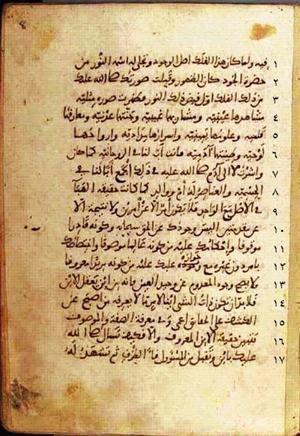
ولَمّا كان هٰذا الفلَكُ أصلَ الوجود، وتجلَّى له اسمُهُ النُّور من حضرة الجود، كان الظهورُ، وقَبِلَتْ صورَتُك صلَّى الله عليكَ من ذٰلك الفلَكِ أوَّل فيضِ ذٰلك النُّور، فظهرتْ صورةً مِثليةً: مَشَاهِدُها عينيَّة، ومشارِبُها غيبيَّة، وجنَّتُها عدنيَّة، ومعارفُها قَلَمِيَّة، وعلومُها يمينيَّة، وأسرارُها مِداديَّة، وأرواحها لوحِيَّة، وطينتها آدميَّة.

فأنت أبٌ لنا في الرُّوحانيَّة[51] كما كان -وأشرتُ إلى آدم صلّى الله عليه في ذٰلك الجمع- أباً لنا في الجِسميَّة، والعناصر له أمٌّ ووالدٌ، كما كانت حقيقةُ الهباءِ في الأصل مع الواحدِ (سبحانه وتعالى).[52]

فلا يكون أمرٌ إلا عن أمرين، ولا نتيجةٌ إلا عن مقدِّمتين؛ أليسَ وُجودُكَ (وهو النتيجة) عن الحقِّ سبحانه وكونِه قادِراً موقوفا (وهما المقدِّمتان)، وإِحكامُك عليه من كونه عالِماً موصوفاً، واختصاصُك بأمرٍ دون غيره -مع جوازه عليك- عليه من كونه مُريداً معروفاً؟

فلا يصحُّ وُجودُ المعدوم عن وحيدِ العين، فإنَّه من أين يُعقل الأين؟ فلا بدَّ أن تكون ذاتُ الشَّيءِ أيناً لأمرٍ مّا لا يعرفه مَن أصبح عن الكشف على الحقائق أعمى، وفي معرفة الصِّفة والموصوفِ تتبيَّن حقيقة "الأين" المعروف.[53]

وإلا فكيف تَسألُ صلّى الله عليك بـ"أين" وتقبل مِن المسؤول فاءَ الظَّرْفِ، ثمَّ تشهد له

Notlar

[51]

يقول ابن العربي في الباب الحادي عشر من الفتوحات المكية الذي وضعه بعنوان: "في معرفة آبائنا العلويَّات وأمَّهاتنا السُّفليَّات" إنًّ كلًّ مؤثِّرٍ أبٌ وكلُّ مؤثَّرٍ فيه أمٌّ، ولقد وضع ابن العربي نظريَّةً شاملةً في هٰذا النِّكاح الرُّوحي أو المعنوي يفسِّر على أساسها بنية العالَم وتركيبه، كما شرحناها في كتاب نظرية الجوهر الفرد؛ فكما أننا نحن جميعاً أبناءَ سيّدنا آدم عليه السلام بالجسد، فنحن أبناءُ سيِّدِنا محمَّد صلَّى الله عليه وسلَّم بالرُّوح، وحتى آدم عليه السلام فهو ابنه بالروح.

[52]

هل كان مع الله تعالى شيء في الأزل؟

[53]

الأين هنا هو المكان، وهو المسافة بين الذَّوات، فحتِّى يُعقل الأين لا بدَّ من التعدُّد، ولكن بما أنَّ حقيقة الحقِّ واحدة كان لا بدَّ أن تكون محلاَّ لصفته أو صفاته.
İngilizce

within it.

Since this sphere is the root of existence, and His Name “the Light” disclosed itself to it from the Presence of Generosity, manifestation came to be. Your form, blessings be upon you, received from that sphere the first effusion of that Light, and appeared as an exemplary form: its visions are immediate, its draughts unseen, its garden Edenic, its recognitions of the Pen, its sciences of the Right Hand, its secrets of the Ink, its spirits of the Tablet, and its clay Adamic.

You are our father in spirituality,[51] just as he—I pointed to Adam, blessings be upon him, within that gathering—was our father in corporeality. The elements are his mother and father, just as the reality of the Dust was, at the origin, with the One, glory and exaltation be to Him.[52]

Nothing comes about except from two things, and no conclusion except from two premises. Does not your existence (the conclusion) depend upon the Real, glory be to Him, and His being powerful (the two premises)? Does not the perfection of your formation depend upon His being described as knowing, and your specification by one thing rather than another—although either is possible for you—upon His being known as willing?

The nonexistent cannot rightly come into existence from a solitary entity: whence, then, could “where” be understood? The essence of a thing must be a “where” for some reality unknown to one who is blind to the unveiling of realities. In knowing attribute and attributed, the reality of the familiar “where” becomes clear.[53]

Otherwise, how could you, blessings be upon you, ask “where,” accept from the person questioned the locative “in,” and then testify to her—

Notlar

[51]

In Chapter Eleven of al-Futuhat al-Makkiyyah, entitled “On Knowing Our Higher Fathers and Our Lower Mothers,” Ibn al-Arabi says that everything that acts is a father, and everything acted upon is a mother. He developed a comprehensive theory of this spiritual or intelligible marriage, through which he explains the structure and composition of the cosmos, as we explained in Nazariyyat al-Jawhar al-Fard. Just as all of us are children of our master Adam, peace be upon him, bodily, so we are children of our master Muhammad, may God bless him and grant him peace, spiritually; even Adam is his son in spirit.

[52]

“Was there anything with God in beginningless eternity?” [The source contains only this question, without a completed explanation.]

[53]

“Where” here means place, the distance between entities. For “where” to be intelligible, multiplicity is necessary. Yet since the reality of the Real is one, it must be the locus of His attribute or Attributes.

Yazma görüntüsüYazma cildi 1 · Sayfa 16

Arapça ve İngilizce aynı Konya sayfa kimliğiyle bağlanır. Sayfa eşleştirmesi yaklaşıktır; doğrulamak için yazma görüntüsüne bakın.

Kahire kaynak referansı

Ibn al-Arabi, The Meccan Revelations — Yazma cildi 1 · Sayfa 16 — https://www.futmak.com/turkce/konya/pages.php?id=16&text=both