
Futmak · الفتوحات المكية · Meccan Revelations

Fütûhât-ı Mekkiyye

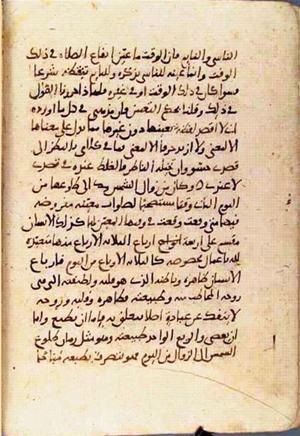
Yazma cildi 6 · Sayfa 23

Konya yazması

Arapça kaynağı açİngilizce çeviriyi aç

Arapça

الناسي والنائم، فإن الوقت ما عين إيقاع الصلاة في ذٰلك الوقت، وإنما عينه للناسي تذكره، وللنائم تيقظه شرعا، فسواء كان في ذٰلك الوقت أو في غيره، فلهٰذا حررنا القول في ذٰلك، وقلنا، بحكم التعيين.

فإن مذهبي في كل ما أورده[8] إني لا أقصد لفظة بعينها دون غيرها مما يدل على معناها إلا لمعنى، ولا أزيد حرفا إلا لمعنى، فما في كلامي بالنظر إلى قصدي حشو، وإن تخيله الناظر، فالغلط عنده في قصدي، لا عندي.

وكان من زوال الشمس إلى طلوعها من اليوم الثاني وقتا مستصحبا لصلوات معينة مفروضة فيها، متى وقعت وقعت في وقتها المعين لها.

كذٰلك الإنسان مقسم على أربعة أرباع، الثلاثة الأرباع منها متعبدة لله بأعمال مخصوصة، كالثلاثة الأرباع من اليوم، فارباع الإنسان ظاهره، وباطنه الذي هو قلبه، ولطيفته التي هي روحه المخاطب منه، وطبيعته. فظاهره وقلبه وروحه لا ينفك عن عبادة أصلا تتعلق به، فأما أن يطيع، وإما أن يعصي.

والربع الواحد طبيعته، وهو مثل زمان طلوع الشمس إلى الزوال من اليوم، فهو يتصرف بطبعه مباحا

Notlar

[8]

(يصرّح المؤلف هنا بتعمد ألفاظه وحروفه؛ وهو تنبيه إلى دقائق العبارة وصلتها بالمقصد الذي يبينه.)
İngilizce

the one who forgot and the one who slept. It is not this interval that determines when either of them is to pray. For the one who forgot, the revealed Law makes remembering determine it, and for the one who slept, waking determines it. It is the same whether it occurs in this interval or another. Hence we stated the matter precisely by saying “specifically assigned.”

My practice in everything I set forth[8] is to choose a particular word over others that convey its sense only for a reason, and to add no letter without a reason. In view of my purpose, there is nothing superfluous in my speech, even if a reader imagines there is. In that case, the error about my purpose is his.

From the sun’s decline until sunrise on the following day, there is a continuous span with particular prayers appointed and made obligatory within it. Whenever they are performed within their appointed intervals, they occur at their specified times.

The human being is likewise divided into four quarters. In three quarters, he is required to worship God by particular acts, as in three quarters of the day. His quarters are his exterior, his interior, which is his heart, his subtle faculty (his spirit, the part of him that is addressed), and his nature. His exterior, heart, and spirit never cease to be subject to some act of worship. He either obeys or disobeys.

The remaining quarter is his nature. It is like the period from sunrise to the sun’s decline. He acts according to his nature, as he is permitted

Notlar

[8]

(The author explicitly states that he chooses his words and letters deliberately. He calls attention to the precision of his wording and how it relates to what he intends to explain.)

Translator’s note TN1595-1: The division maps the three quarters of the day assigned to obligatory prayers onto the exterior, heart, and spirit. The remaining quarter corresponds to nature and to acts left permissible.

Yazma görüntüsüYazma cildi 6 · Sayfa 23

Arapça ve İngilizce aynı Konya sayfa kimliğiyle bağlanır. Sayfa eşleştirmesi yaklaşıktır; doğrulamak için yazma görüntüsüne bakın.

Kahire kaynak referansı

Ibn al-Arabi, The Meccan Revelations — Yazma cildi 6 · Sayfa 23 — https://www.futmak.com/turkce/konya/pages.php?id=1595&text=both