
Futmak · الفتوحات المكية · Meccan Revelations

Fütûhât-ı Mekkiyye

Yazma cildi 6 · Sayfa 22

Konya yazması

Arapça kaynağı açİngilizce çeviriyi aç

Arapça

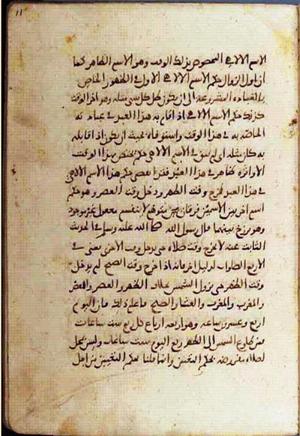
الاسم الإلهي المخصوص بذٰلك الوقت، وهو الاسم الظاهر، كما إن أول الزوال حكم الاسم الإلهي الأول في الظهور الخاص بالعبادة المشروعة إلى أن يكون ظل كل شيء مثله، وهو آخر الوقت.

كذٰلك حكم الاسم الإلهي إذا قام به هٰذا العبد في عبادته الخاصة به في هٰذا الوقت واستوفاه، بحيث أن يكون إذا قابله به كان مثله، أي لم يبق في الاسم الإلهي حكم يختص بهٰذا الوقت، إلا وأثره ظاهر في هٰذا العبد، فقد انقضى حكم هٰذا الاسم الإلهي في هٰذا العبد، فخرج وقت الظهر، ودخل وقت العصر.

وهو حكم اسم آخر، بين الاسمين فرقان متوهم لا ينقسم، معقول غير موجود، وهو برزخ بينهما قال رسول الله صلى الله عليه وسلم في الحديث الثابت عنه: «لا يخرج وقت صلاة حتى يدخل وقت الأخرى»، يعني في الأربع الصلوات، لدليل آخر، فإنه إذا خرج وقت الصبح لم يدخل وقت الظهر حتى تزول الشمس، بخلاف الظهر والعصر، والعصر والمغرب، والمغرب والعشاء، والعشاء والصبح، فاعلم ذٰلك.

(أرباع اليوم وأرباع الإنسان)

فإن اليوم أربع وعشرون ساعة، وهو أربعة أرباع، كل ربع ست ساعات، فمن طلوع الشمس إلى الظهر ربع اليوم ست ساعات وليس بمحل لصلاة مفروضة، بحكم التعيين.

وإنما قلنا، بحكم التعيين من أجل
İngilizce

the divine name specific to that time, which is the name the Outward. Similarly, the beginning of the sun’s decline is the ruling of the divine name the First in the manifestation peculiar to this prescribed act of worship, until every thing’s shadow is equal to its length, which marks the end of the time.

Likewise, when this servant fulfills and fully realizes the ruling of the divine name in the worship specific to him at this time, he becomes its likeness when set alongside it. This means that no ruling of the divine name proper to this time remains whose effect is absent from the servant. The ruling of that divine name in the servant has then expired. The time of noon prayer ends, and the time of afternoon prayer begins.

That is the ruling of another name. Between the two names is a conceived distinction, indivisible and intelligible, without existence of its own. It is an isthmus between them. The Messenger of God, may God bless him and grant him peace, said in the sound hadith transmitted from him, “The time of one prayer does not end until the time of another begins.” From other evidence, we know that he means four of the prayers. When the time of dawn prayer ends, the time of noon prayer begins only after the sun passes the meridian. It is otherwise with noon and afternoon, afternoon and sunset, sunset and night, and night and dawn. Know this.

(The Quarters of the Day and the Quarters of the Human Being)

The day is twenty-four hours divided into four quarters, each of six hours. From sunrise until noon is one quarter of the day, six hours, with no obligatory prayer specifically assigned to it.

We say “specifically assigned” on account of

Notlar

Translator’s note TN1594-1: The isthmus (barzakh) here is a boundary one can conceive between the rulings of two divine names. It is an indivisible instant, so it does not itself occupy a duration.

Yazma görüntüsüYazma cildi 6 · Sayfa 22

Arapça ve İngilizce aynı Konya sayfa kimliğiyle bağlanır. Sayfa eşleştirmesi yaklaşıktır; doğrulamak için yazma görüntüsüne bakın.

Kahire kaynak referansı

Ibn al-Arabi, The Meccan Revelations — Yazma cildi 6 · Sayfa 22 — https://www.futmak.com/turkce/konya/pages.php?id=1594&text=both