
Futmak · الفتوحات المكية · Meccan Revelations

Fütûhât-ı Mekkiyye

Yazma cildi 6 · Sayfa 19

Konya yazması

Arapça kaynağı açİngilizce çeviriyi aç

Arapça

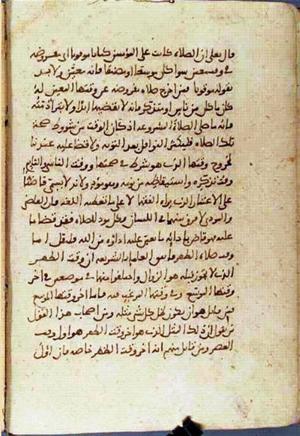
قال تعالى: ﴿إِنَّ الصَّلاةَ كانَتْ عَلَى الْمُؤْمِنِينَ كِتاباً مَوْقُوتاً﴾ [النساء: ١٠٣]، أي مفروضة في وقت معين، سواء كان موسعا أو مضيقا، فإنه معين ولا بد، بقوله: ﴿مَوْقُوتاً﴾، فمن أخرج صلاة مفروضة عن وقتها المعين له، كان ما كان من ناس أو متذكر، فإنه لا يقضيها أبدا، ولا تبرأ ذمته؛ فإنه ما صلى الصلاة المشروعة، إذ كان الوقت من شروط صحة تلك الصلاة، فليكثر النوافل بعد التوبة، ولا قضاء عليه عندنا[7] لخروج وقتها الذي هو شرط في صحتها.

ووقت الناسي والنائم وقت تذكره واستيقاظه من نومه، وهو مؤد ولا بد، لا يسمى قاضيا على الاعتبار الذي يراه الفقهاء، لا على ما تعطيه اللغة؛ فإن القاضي والمؤدي لا فرق بينهما في اللسان، فكل مؤد للصلاة فقد قضى ما عليه، فهو قاض بأدائه ما تعين عليه أداؤه من الله.

(أول وقت الظهر وآخره)

فلنقل: أما وقت صلاة الظهر، فاتفق العلماء بالشريعة أن وقت الظهر الذي لا تجوز قبله هو الزوال، واختلفوا منها في موضعين: في آخر وقتها الموسع وفي وقتها المرغب فيه، فأما آخر وقتها الموسع فمن قائل هو أن يكون ظل كل شيء مثله، ومن أصحاب هٰذا القول من يقول إن ذٰلك المثل الذي هو آخر وقت الظهر هو أول وقت العصر؛ ومن قائل منهم إنه آخر وقت الظهر خاصة؛ فإن أول

Notlar

[7]

(يعرض المؤلف اختياره الفقهي، ويميّز عنه الناسي والنائم؛ إذ يجعل وقت التذكر والاستيقاظ وقت أداء في حقهما.)
İngilizce

He, exalted is He, says, “Prayer is prescribed for the believers at appointed times” [al-Nisaʾ 4:103]. It is obligatory at a specified time. The time may be extended or narrow, but in either case it is specified, as He says, “at appointed times.” Whoever allows an obligatory prayer to pass beyond its specified time, whether he forgot or remembered, can never make it up, nor is he discharged of the obligation. He did not perform the prescribed prayer, for its time is one of the conditions of its validity. After repenting, let him perform many supererogatory prayers. In our view, he is under no obligation to make it up[7] since the time, which is a condition of its validity, has passed.

The time of one who forgot or slept is when he remembers or wakes from sleep. He is performing the prayer in its time and cannot be said to be making it up in the jurists’ usage. Ordinary Arabic makes no distinction between making up a prayer and performing it. Everyone who performs a prayer has discharged what was due from him. He has discharged it by performing what God specifically required him to perform.

(The Beginning and End of the Time for Noon Prayer)

The scholars of the revealed Law agree that noon prayer may begin when the sun passes the meridian and may not be performed before that. They disagree on two points, the end of its extended interval and the preferred time within it. On the end of the extended interval, some say it comes when the shadow of each thing equals its length. Some who hold this position say that this equality, which ends the time for noon prayer, also begins the time for afternoon prayer. Others hold that it only ends the time for noon prayer, because the beginning of

Notlar

[7]

(The author presents his own legal position. He distinguishes from it the cases of someone who forgets or sleeps, for whom the time of remembering or waking is the time for performance.)

Translator’s note TN1591-1: The technical distinction is between adāʾ, performance within the appointed time, and qaḍāʾ, making up a missed act. For this author the person who remembers or wakes thereby reaches the appointed time that applies to him.

Yazma görüntüsüYazma cildi 6 · Sayfa 19

Arapça ve İngilizce aynı Konya sayfa kimliğiyle bağlanır. Sayfa eşleştirmesi yaklaşıktır; doğrulamak için yazma görüntüsüne bakın.

Kahire kaynak referansı

Ibn al-Arabi, The Meccan Revelations — Yazma cildi 6 · Sayfa 19 — https://www.futmak.com/turkce/konya/pages.php?id=1591&text=both