
Futmak · الفتوحات المكية · Meccan Revelations

Fütûhât-ı Mekkiyye

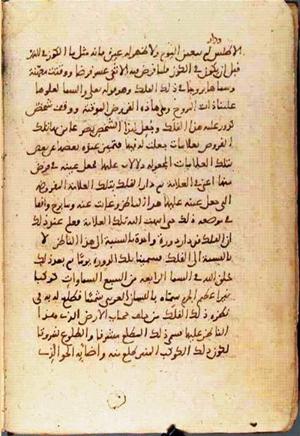
Yazma cildi 6 · Sayfa 11

Konya yazması

Arapça kaynağı açİngilizce çeviriyi aç

Arapça

الأطلس[3] ودار، لم يتعين اليوم ولا ظهر له عين، فإنه مثل ماء الكوز في النهر، قبل إن يكون في الكوز.

فلما فرض فيه الاثنا عشر فرضا ووقتت معينة، وسماها بروجا في ذٰلك الفلك وهو قوله تعالى: ﴿والسَّماءِ﴾ لعلوها علينا ﴿ذاتِ الْبُرُوجِ﴾ [البروج: ١]، وهي هذه الفروض الموقتة، ووقف شخص يدور عليه هٰذا الفلك، وجعل لهٰذا الشخص بصر عاين بها تلك الفروض بعلامات جعلت له فيها، فتميز عنده بعضها عن بعض بتلك العلامات المجعولة دلالات عليها.

فجعل عينه في فرض منها، أعني في العلامة، ثم دار الفلك بتلك العلامة المفروضة التي جعل عينه عليها هٰذا الناظر، وغابت عنه وما برح واقفا في موضعه ذٰلك، حتى انتهت إليه تلك العلامة، فعلم عند ذٰلك أن الفلك قد دار دورة واحدة، بالنسبة إلى هٰذا الناظر، لا بالنسبة إلى الفلك؛ فسمينا تلك الدورة يوما.

(تعيين اليوم والليل والنهار)

ثم بعد ذٰلك خلق الله في السماء الرابعة من السبع السموات كوكبا نيرا عظيم الجرم، سماه باللسان العربي شمسا، فطلع له به في نظره ذٰلك الفلك من خلف حجاب الأرض الذي هٰذا الناظر عليها، فسمى ذٰلك المطلع مشرقا، والطلوع شروقا، لكون ذٰلك الكوكب المنير طلع منه وأضاء به الجو الذي

Notlar

[3]

(الأطلس في هذا السياق هو الفلك الذي لا علامة نجمية فيه تُعيِّن للناظر أجزاء دورته؛ ثم يشرح المؤلف تعيينها بالفرض والعلامات.)
İngilizce

unmarked sphere[3] and it revolved, the day was undetermined and had no distinct existence. It was like the water in a jug while it is still in the river, before it enters the jug.

Then twelve divisions were posited within it and determined as distinct, and He called them constellations in that sphere. This is what the Most High means when He says, “By the heaven,” because of its height above us, “with its constellations” [al-Buruj 85:1]. These are the divisions that have been posited and delimited. A person stood where this sphere revolved around him. The person was given sight and observed those divisions by means of marks placed in them for him. He distinguished one from another by these marks made to indicate them.

He fixed his gaze on one division, that is, on its mark. The sphere carried that mark, on which the observer had fixed his gaze, out of his sight as it turned. He remained standing in his place until the mark returned to him. He then knew that the sphere had made one revolution with respect to the observer himself. We called that revolution a day.

(Determining the Day, the Night, and the Daylight)

After that God created in the fourth of the seven heavens a large luminous celestial body, which in Arabic He called the sun. To the observer’s sight it rose in that sphere from behind the screen of the earth on which he stood. He called the place of its rising the east and the rising itself sunrise, because that luminous body rose there and illuminated the air in which

Notlar

[3]

(The unmarked sphere in this context is the sphere with no stellar mark by which the observer can identify the divisions of its revolution. The author then explains how positing the divisions and assigning marks determines them.)

Translator’s note TN1583-1: The observer defines a cycle by the return of a chosen mark. The image of the jug distinguishes the water already present in the river from its later demarcation as a jugful.

Yazma görüntüsüYazma cildi 6 · Sayfa 11

Arapça ve İngilizce aynı Konya sayfa kimliğiyle bağlanır. Sayfa eşleştirmesi yaklaşıktır; doğrulamak için yazma görüntüsüne bakın.

Kahire kaynak referansı

Ibn al-Arabi, The Meccan Revelations — Yazma cildi 6 · Sayfa 11 — https://www.futmak.com/turkce/konya/pages.php?id=1583&text=both