
Futmak · الفتوحات المكية · Meccan Revelations

Fütûhât-ı Mekkiyye

Yazma cildi 6 · Sayfa 9

Konya yazması

Arapça kaynağı açİngilizce çeviriyi aç

Arapça

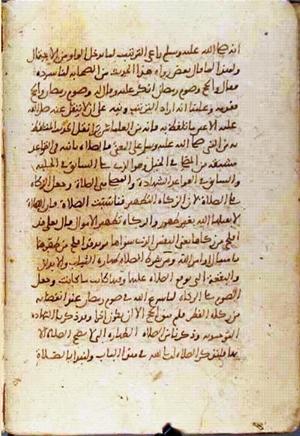
أنه صلى الله عليه وسلم راعى الترتيب، لما يدخل الواو من الاحتمال؛ ولهٰذا لما قال بعض رواة هٰذا الحديث من الصحابة لما سرده فقال والحج وصوم رمضان أنكر عليه وقال له وصوم رمضان والحج، فقدمه وعلمنا أنه أراد الترتيب، ونبه على إن لا ننقل عنه صلى الله عليه وسلم إلا عين ما تلفظ به، فإنه من العلماء من يرى نقل الحديث المتلفظ به من النبي صلى الله عليه وسلم على المعنى.

فالصلاة ثانية في القواعد مشتقة من المُصَلِّي في الخيل[1]، وهو الذي يلي السابق في الحلبة، والسابق في القواعد الشهادة والمصلي هي الصلاة وجعل الزكاة تلي الصلاة، لأن الزكاة التَّطهير، فناسبت الصلاة؛ فإن الصلاة لا يقبلها الله بغير طهور والزكاة تطهير الأموال قال تعالى: ﴿قَدْ أَفْلَحَ من زَكَّاها﴾ [الشمس: ٩]، يعني النفس التي سواها، يريد قد أفلح من طهرها بامتثال أوامر الله ومن شرط الصلاة طهارة الثياب والأبدان والبقعة التي توقع الصلاة عليها، وفيها كانت ما كانت.

وجعل الصوم يلي الزكاة، لما شرع الله في صوم رمضان عند انقضائه من زكاة الفطر فلم يبق الحج إلا أن يكون آخرا، وقد ذكرنا الشهادة التوحيدية وذكرنا من الصلاة الطهارة التي لا تصح الصلاة إلا بها فلنذكر الصلاة إن شاء الله في هذا الباب ولنبدأ بالصلاة

Notlar

[1]

(المُصَلِّي في اصطلاح السباق هو الفرس الذي يلي السابق؛ ومن هذه المرتبة يستخرج المؤلف مناسبة ترتيب الصلاة بعد الشهادة.)
İngilizce

that he, may God bless him and grant him peace, took account of the order, since the conjunction “and” is open to more than one reading. Hence, when one of the Companions transmitting this report recited it as “the pilgrimage and fasting Ramadan,” he was corrected with the words, “fasting Ramadan and the pilgrimage.” He placed fasting first, so we know that he intended the order. This alerts us to transmit from him, may God bless him and grant him peace, the very words he uttered, even though some scholars hold that a report uttered by the Prophet, may God bless him and grant him peace, may be transmitted according to its meaning.

Prayer comes second among the foundations, and its name is derived from al-muṣallī in horse racing,[1] the horse that follows the leader in the race. Among the foundations, the leader is the testimony of faith and the runner-up is prayer. He made almsgiving follow prayer because almsgiving is purification and is thus appropriate to prayer. God accepts no prayer without purification, and almsgiving is the purification of wealth. The Most High says, “Successful indeed is the one who purifies it” [al-Shams 91:9], meaning the soul He fashioned. He means that whoever purifies it by complying with God’s commands has succeeded. Among the conditions of prayer are the purity of the clothing, the body, and the place where the prayer is performed, wherever that place may be.

He made fasting follow almsgiving because God prescribed the alms of fast-breaking at the end of the fast of Ramadan. Thus only the pilgrimage remained to come last. We have discussed the testimony affirming God’s oneness, and in connection with prayer we have discussed purification, without which prayer is invalid. Let us now discuss prayer in this chapter, God willing, and begin with

Notlar

[1]

(In the terminology of horse racing, al-muṣallī is the horse that comes directly behind the leader. The author uses this position to explain the appropriateness of placing prayer after the testimony of faith.)

Translator’s note TN1581-1: The Arabic muṣallī can designate either a person at prayer or the second horse in a race. Ibn al-ʿArabī uses the shared term to connect the second foundation of Islam with the position of the second horse.

Yazma görüntüsüYazma cildi 6 · Sayfa 9

Arapça ve İngilizce aynı Konya sayfa kimliğiyle bağlanır. Sayfa eşleştirmesi yaklaşıktır; doğrulamak için yazma görüntüsüne bakın.

Kahire kaynak referansı

Ibn al-Arabi, The Meccan Revelations — Yazma cildi 6 · Sayfa 9 — https://www.futmak.com/turkce/konya/pages.php?id=1581&text=both