
Futmak · الفتوحات المكية · Meccan Revelations

Fütûhât-ı Mekkiyye

Yazma cildi 1 · Sayfa 15

Konya yazması

Arapça kaynağı açİngilizce çeviriyi aç

Arapça

مَعَهُ، بَلْ هُوَ عَلَى مَا عَلَيْهِ كَانَ».[49]

وهكذا هي صلَّى الله عليك حقائق الأكوان. فما زادت هذه الحقيقة (أي كون الله تعالى كان ولا شيء معه) على جميع الحقائق إلا بكونها سابقةً وهنَّ لواحِق.

إذ مَن ليس مع شيءٍ فليس معه شيءٌ، ولو خرجتْ الحقائق في العين على غير ما كانت عليه في العِلم لانْمازت عن الحقيقة المُنَزَّهة بهٰذا الحُكم؛ فالحقائق الآن في الحكم في العين على ما كانت عليه في العلم، فلنقل: كانت ولا شيء معها في وجودها وهى الآن على ما كانت عليه في علمِ معبودها.

فقد شمل هٰذا الخبر الَّذي أُطلق على الحقِّ جميعَ الخلْقِ.

ولا تعترض (أيُّها القارئ) بتعدّد الأسباب والمسبَّبات، فإنها ترد عليك بوجود الأسماءِ والصِّفات، وإنَّ المعاني الَّتي تدلُّ عليها مختلفات.

فلولا ما بين البداية والنِّهاية سببٌ رابط، وكسبٌ صحيحٌ ضابط، ما عُرِف كلُّ واحدٍ منهما بالآخَر، ولا قيل على حُكم الأوَّل يَثبُت الآخِر.

وليس إلا الربُّ والعبدُ وكفى، وفى هٰذا غُنيةٌ لمن أراد معرفة نفسه في الوجود وشِفا. ألا ترى أنّ الخاتمة عين السَّابقة؟ وهى كلمةٌ واجبةٌ صادقة. فما للإنسان يتجاهل ويعمى، ويمشي في دُجنّةٍ ظلماءَ حيث لا ظلَّ ولا ماء!

(أصل الوجود الطبيعي)

وإنَّ أحقَّ ما سُمع من النَّبأ، وأتى به هُدهُد الفهم من سبأ:[50] وُجودُ الفَلَكِ المحيط، الموجودِ في العالَم المركَّبِ والبسيطِ، المسمَّى بالهباءِ، وأشبهُ شيءٍ به الماءُ والهواء، وإن كانا من جملةِ صوره المفتوحة

Notlar

[49]

رواه ابن حبان والحاكم وابن أبي شيبة عن بريدة، وفي رواية: ولا شيء غيره، وفي رواية ولم يكن شيء قبله. وفي صحيح البخاري (الجزء الثاني، الحديث رقم: 3019، والجزء الرابع، الحديث رقم 6982): كَانَ اللهُ وَلَمْ يَكُنْ شَيْءٌ غَيْرُهُ وَكَانَ عَرْشُهُ عَلَى الْمَاءِ.

[50]

وذٰلك إشارة إلى قوله تعالى في سورة النمل (27): ﴿فَمَكَثَ غَيْرَ بَعِيدٍ فَقَالَ أَحَطتُ بِمَا لَمْ تُحِطْ بِهِ وَجِئْتُكَ مِن سَبَإٍ بِنَبَإٍ يَقِينٍ (22)﴾.
İngilizce

was with Him; indeed, He remains as He was.”[49]

Such, blessings be upon you, are the realities of created things. This reality—that God was, and nothing was with Him—differs from all the other realities only in being prior, while they follow.

For whoever is not with anything has nothing with him. Had the realities emerged into concrete existence otherwise than as they were in Knowledge, they would have become distinguished from the transcendent Reality by this ruling. The realities now, in concrete existence, have the same ruling as they had in Knowledge. Let us therefore say: they were, and nothing was with them in their existence; and they now remain as they were in the knowledge of the One they worship.

Thus this report, applied to the Real, encompasses all creation.

Do not object, reader, by pointing to the multiplicity of causes and effects: that objection returns upon you through the existence of the Names and Attributes and the diversity of the meanings they indicate.

Were there no connecting cause between beginning and end, and no sound acquisition that determines their relation, neither would be known through the other, nor could it be said that the last is established according to the ruling of the first.

There are only Lord and servant, and that suffices. Here are sufficiency and healing for whoever wishes to know himself in existence. Do you not see that the ending is the very beginning? This is a necessary and truthful statement. Why, then, does the human being feign ignorance and blindness, walking in a dark obscurity where there is neither shade nor water?

(The Origin of Natural Existence)

The truest tidings ever heard, brought by understanding’s hoopoe from Sheba,[50] concern the existence of the encompassing sphere, present in both the composite and the simple worlds, called the Dust. Water and air most resemble it, although they themselves are among the forms unfolded—

Notlar

[49]

Transmitted by Ibn Hibban, al-Hakim, and Ibn Abi Shaybah from Buraydah. One version has “and nothing other than Him”; another, “and nothing was before Him.” In Sahih al-Bukhari, vol. 2, no. 3019, and vol. 4, no. 6982: “God was, and nothing other than Him existed, and His Throne was upon the water.”

[50]

An allusion to His saying in Surat al-Naml (27): “It stayed away only a short while, then said: ‘I have encompassed knowledge that you have not encompassed, and I have brought you certain tidings from Sheba’” [27:22].

Translator’s note TN15-1: “Dust” translates haba, a technical term here for a receptive principle in which forms appear. It should not be reduced to ordinary airborne dust. The argument contrasts existence in divine Knowledge with concrete manifestation; the translation retains that distinction.

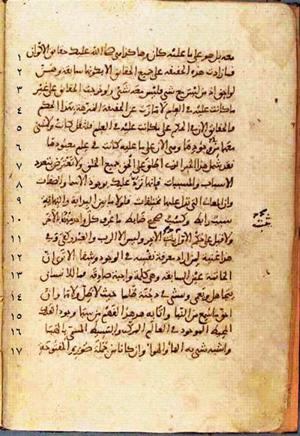
Yazma görüntüsüYazma cildi 1 · Sayfa 15

Arapça ve İngilizce aynı Konya sayfa kimliğiyle bağlanır. Sayfa eşleştirmesi yaklaşıktır; doğrulamak için yazma görüntüsüne bakın.

Kahire kaynak referansı

Ibn al-Arabi, The Meccan Revelations — Yazma cildi 1 · Sayfa 15 — https://www.futmak.com/turkce/konya/pages.php?id=15&text=both