Fütûhât-ı Mekkiyye

Yazma cildi 5 · Sayfa 96

Konya yazması

Arapça kaynağı açİngilizce çeviriyi aç

Arapça

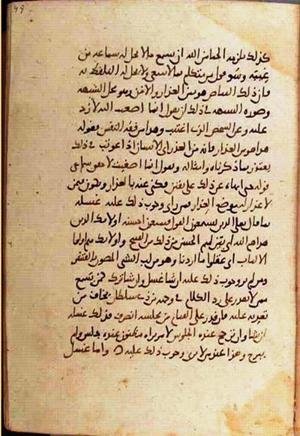
كذٰلك يلزمه الحياء من الله أن يسمع ما لا يحل له سماعه من غيبة وسوء قول من متكلم بما لا ينبغي ولا يحل له التلفظ به.

فإن ذٰلك البياض هو بين العذار والأذن، وهو محل الشبهة، وصورة الشبهة في ذٰلك أن يقول: «إنما أصغيت إليه لأرد عليه وعن الشخص الذي اغتيب». وهٰذا من فقه النفس، فقوله هٰذا هو من العذار، فإنه من العذر، أي الإنسان إذا عوتب في ذٰلك يعتذر بما ذكرناه وأمثاله.

ويقول: «إنما أصغيت لأحقق سماعي قوله حتى أنهاه عن ذٰلك على يقين»، فكنى عنه بالعذار، ويكون فيمن لا عذار له موضع العذار. فمن رأى وجوب ذٰلك عليه غسله بما قال تعالى: ﴿الَّذِينَ يَسْتَمِعُونَ الْقَوْلَ فَيَتَّبِعُونَ أَحْسَنَهُ أُولئِكَ الَّذِينَ هَداهُمُ الله﴾، أي بين لهم الحسن من ذٰلك من القبيح، و﴿أُولئِكَ هُمْ أُولُوا الْأَلْبابِ﴾ [الزمر: ١٨]، أي عقلوا ما أردنا، وهو من لب الشيء المصون بالقشر.

ومن لم ير وجوب ذٰلك عليه إن شاء غسل وإن شاء ترك، كمن يسمع ممن لا يقدر على رد الكلام في وجهه من ذي سلطان يخاف من تعديه عليه. فإن قدر على القيام من مجلسه انصرف، فذٰلك غسله إن شاء، وإن ترجح عنده الجلوس لأمر يراه مظنون عنده جلس ولم يبرح. وهٰذا عند من لا يرى وجوب ذٰلك عليه.

(اعتبار ما يعرض للوجه)

وأما غسل ما
İngilizce

likewise a person owes God the modesty of avoiding what he is not permitted to hear, such as backbiting and evil speech from someone who says what is improper and unlawful to utter.

That bare skin between the sideburn and the ear is the place of doubt. The doubt takes this form. A person says, “I listened only to answer him and defend the person who was being spoken against.” This is the soul’s own reasoning. His statement belongs to the sideburn, ʿidhār, through its connection with excuse, ʿudhr. When reproached, he makes the excuse we have mentioned or one like it.

He says, “I listened only to ascertain what he was saying, so that I could forbid him to do so with certainty.” Thus the sideburn stands for this, or the place of the sideburn in someone who has none. Whoever considers himself obliged to wash it washes it with what He, exalted is He, has said, “Those who listen to speech and follow the best of it, those are the ones whom God has guided,” meaning He has shown them the good in it and distinguished it from the bad, “and those are the people of understanding” [al-Zumar 39:18]. That is, they have understood what We intended. The word is related to the kernel that is protected by a shell.

Whoever does not regard it as obligatory may wash it if he wishes or leave it unwashed. This is like one who hears from a person of authority whose speech he cannot refute to his face, fearing that he may act wrongfully toward him. If he can get up and leave the gathering, he leaves, and that is his washing if he wishes. If he judges it better to remain seated for some reason he deems likely, he sits and does not leave. This is the view of those who do not regard it as obligatory.

(The Inward Application to What Supervenes Upon the Face)

As for washing what

Notlar

Translator’s note TN1372-1: The author links ʿidhār, the sideburn, with ʿudhr, an excuse. The bare strip of skin on the border between face and ear figures the uncertain boundary between listening to prohibited speech and listening in order to answer it. “People of understanding” translates ulū al-albāb, literally people of kernels.

Yazma görüntüsüYazma cildi 5 · Sayfa 96

Arapça ve İngilizce aynı Konya sayfa kimliğiyle bağlanır. Sayfa eşleştirmesi yaklaşıktır; doğrulamak için yazma görüntüsüne bakın.

Kahire kaynak referansı

Ibn al-Arabi, The Meccan Revelations — Yazma cildi 5 · Sayfa 96 — https://www.futmak.com/turkce/konya/pages.php?id=1372&text=both