Fütûhât-ı Mekkiyye

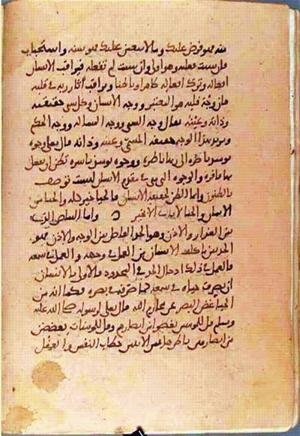
Yazma cildi 5 · Sayfa 95

Konya yazması

Arapça kaynağı açİngilizce çeviriyi aç

Arapça

منه فهو فرض عليك، وما لا يتعين عليك فهو سنة واستحباب، فإن شئت فعلته وهو أولى، وإن شئت لم تفعله.

(وجه القلب وحقيقة الإنسان)

فيراقب الإنسان أفعاله وترك أفعاله، ظاهرا وباطنا، ويراقب آثار ربه في قلبه، فإن وجه قلبه هو المعتبر. ووجه الإنسان وكل شيء حقيقته وذاته وعينه، يقال: وجه الشيء ووجه المسألة ووجه الحكم، ويريد بهٰذا الوجه حقيقة المسمى وعينه وذاته.

قال تعالى: ﴿وُجُوهٌ يَوْمَئِذٍ ناضِرَةٌ إِلى رَبِّها ناظِرَةٌ﴾، و﴿وُجُوهٌ يَوْمَئِذٍ باسِرَةٌ تَظُنُّ أَنْ يُفْعَلَ بِها فاقِرَةٌ﴾ [القيامة: ٢٢ - ٢٥]. والوجوه التي هي في مقدم الإنسان ليست توصف بالظنون، وإنما الظن لحقيقة الإنسان. فالحياء خير كله، والحياء من الايمان، والحياء لا يأتي إلا بخير.

(الحد بين حياء البصر وحياء السمع)

وأما البياض الذي بين العذار والأذن، وهو الحد الفاصل بين الوجه والأذن، فهو الحد بين ما كلف الإنسان من العمل في وجهه والعمل في سمعه. فالعمل في ذٰلك إدخال الحد في المحدود، فالأولى بالإنسان أن يصرف حياءه في سمعه كما صرفه في بصره.

فكما أنه من الحياء غض البصر عن محارم الله، قال تعالى لرسوله صلى الله عليه وسلم: ﴿قُلْ لِلْمُؤْمِنِينَ يَغُضُّوا من أَبْصارِهِمْ﴾ [النور: ٣٠]، و﴿قُلْ لِلْمُؤْمِناتِ يَغْضُضْنَ من أَبْصارِهِنَّ﴾ [النور: ٣١]، باطن هاتين الآيتين خطاب النفس والعقل،
İngilizce

of you is obligatory for you. What is not required of you is a Sunnah practice or a recommendation. If you wish you may do it, which is better, and if you wish you may refrain.

(The Face of the Heart and the Reality of the Human Being)

A person watches over what he does and leaves undone, outwardly and inwardly, and watches the effects of his Lord in his heart. The face of his heart is what counts. The face of a human being, and of anything, is its reality, essence, and very entity. One speaks of the face of a thing, the face of a question, or the face of a ruling, meaning the reality, very entity, and essence of what is named.

He, exalted is He, said, “Faces on that Day will be radiant, looking toward their Lord,” and, “Faces on that Day will be grim, expecting that a crushing calamity will be done to them” [al-Qiyamah 75:22–25]. The faces at the front of human beings are not described as having expectations. The expectation belongs to the reality of the human being. Modesty is all good, modesty is part of faith, and modesty brings only good.

(The Boundary Between Modesty of Sight and Modesty of Hearing)

As for the bare skin between the sideburn and the ear, the line separating face from ear, it is the boundary between what a person is charged to do with his face and what he is charged to do with his hearing. To act upon that boundary is to include it within what it bounds. It is therefore more fitting for a person to exercise modesty in hearing as he has exercised it in sight.

It is an act of modesty to lower one’s gaze from what God has forbidden. God Most High said to His Messenger, may God bless him and grant him peace, “Tell the believing men to lower their gaze” [al-Nur 24:30], and “Tell the believing women to lower their gaze” [al-Nur 24:31]. Inwardly these two verses address the soul and the intellect, and

Notlar

Translator’s note TN1371-1: The author moves from the face as a bodily member to the face as the very reality of a person. The interpretation turns on taking “faces” in 75:22–25 to denote the persons whose states are described.

Yazma görüntüsüYazma cildi 5 · Sayfa 95

Arapça ve İngilizce aynı Konya sayfa kimliğiyle bağlanır. Sayfa eşleştirmesi yaklaşıktır; doğrulamak için yazma görüntüsüne bakın.

Kahire kaynak referansı

Ibn al-Arabi, The Meccan Revelations — Yazma cildi 5 · Sayfa 95 — https://www.futmak.com/turkce/konya/pages.php?id=1371&text=both