
Futmak · الفتوحات المكية · Meccan Revelations

Fütûhât-ı Mekkiyye

Yazma cildi 4 · Sayfa 309

Konya yazması

Arapça kaynağı açİngilizce çeviriyi aç

Arapça

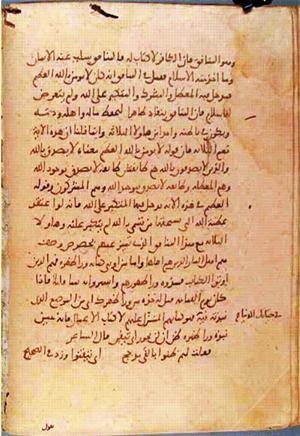
وهو المنافق. فإنّ الكافر لا كتاب له. فالمنافق سُلب عنه "الإيمان"، وما أُخذ منه "الإسلام" فقيل في المنافق: ﴿إِنَّهُ كَانَ لَا يُؤْمِنُ بِاللَّهِ الْعَظِيمِ﴾ [الحاقة: ٣٣] فيدخل فيه المعطِّل والمشرك والمتكبّر على الله، ولم يتعرّض للإسلام. فإنّ المنافق ينقاد ظاهرا ليحفظ ماله وأهله ودمه، ويكون في باطنه واحدا من هؤلاء الثلاثة.

وإنما قلنا: "إنّ هذه الآية تعمّ الثلاثة" فإنّ قوله: ﴿لَا يُؤۡمِنُ بِٱللَّهِ ٱلۡعَظِيمِ﴾ معناه لا يصدّق بالله، والذين لا يصدّقون بالله هم طائفتان: طائفة لا تصدّق بوجود الله؛ وهم المعطِّلة. وطائفة لا تصدِّق بتوحيد الله؛ وهم المشركون. وقوله: ﴿ٱلۡعَظِيمِ﴾ في هذه الآية؛ يدخل فيها المتكبِّر على الله: فإنّه لو اعتقد عظمةَ الله، التي يستحقّها مَن تسمّى بالله، لم يتكبّر عليه. وهؤلاء الثلاثة مع هذا المنافق الذي تميّز عنهم بخصوص وصفٍ؛ هم أهل النار، الذين هم أهلها.

﴿وَأَمَّا مَنْ أُوتِيَ كِتَابَهُ وَرَاءَ ظَهْرِهِ﴾ [الإنشقاق: ١٠] فهم الذين أُوتوا الكتاب فنبذوه وراء ظهورهم، واشتروا به ثمنا قليلا. فإذا كان يوم القيامة: قيل له: "خذه من وراء ظهرك". أي من الموضع الذي نبذتَه فيه في حياتك الدنيا، فهو كتابهم المنزَّل عليهم، لا كتاب الأعمال. فإنّه حين نبذه وراء ظهره ﴿ظَنَّ أَن لَّن يَحُورَ﴾ [الإنشقاق: ١٤] أي تيقّن، قال الشاعر:

فَقُلْتُ لَهُمْ ظُنُّوا بِأَلْفَيْ مُدَجَّجٍ

أي تيقّنوا. ورد في الصحيح،
İngilizce

he is the hypocrite. The unbeliever has no book. The hypocrite is deprived of faith, while Islam has not been taken away from him. Thus it is said of the hypocrite, “He did not believe in God, the Tremendous” [al-Haqqah 69:33]. This includes the denier of deity, the one who associates partners with God, and the one who is arrogant toward God. The statement does not address Islam. The hypocrite submits outwardly to preserve his wealth, family, and life, while inwardly he is one of these three.

We said that this verse encompasses the three because “he did not believe in God, the Tremendous” means that he did not affirm God as true. Those who do not affirm God as true are of two groups. One group does not affirm God’s existence, and these are the deniers of deity. The other does not affirm God’s oneness, and these are the people who associate partners with Him. “The Tremendous” in this verse encompasses the one who is arrogant toward God. If he believed in the greatness due to the One named God, he would not be arrogant toward Him. These three, together with the hypocrite distinguished from them by a particular description, are the people of the Fire who properly belong to it.

“As for the one who is given his book from behind his back” [al-Inshiqaq 84:10], these are the people who were given the Book, threw it behind their backs, and sold it for a small price. On the Day of Resurrection he will be told, “Take it from behind your back,” that is, from the place where you threw it in the life of this world. It is the Book sent down to them, rather than the book of deeds. When he cast it behind his back, “he thought he would never return” [al-Inshiqaq 84:14], that is, he was certain. The poet said:

And I said to them, “Be sure of two thousand armed men.”

That is, be certain. It is reported in the authentic tradition that

Notlar

Translator’s note TN1267-1: The verse’s “thought” and the poet’s command both use the root ẓ-n-n. Ibn al-Arabi reads the verb in these two places in the sense of being certain, an established usage also illustrated by the same line in Ibn Faris’s Maqayis al-lughah.

Yazma görüntüsüYazma cildi 4 · Sayfa 309

Arapça ve İngilizce aynı Konya sayfa kimliğiyle bağlanır. Sayfa eşleştirmesi yaklaşıktır; doğrulamak için yazma görüntüsüne bakın.

Kahire kaynak referansı

Ibn al-Arabi, The Meccan Revelations — Yazma cildi 4 · Sayfa 309 — https://www.futmak.com/turkce/konya/pages.php?id=1267&text=both