
Futmak · الفتوحات المكية · Meccan Revelations

Fütûhât-ı Mekkiyye

Yazma cildi 1 · Sayfa 12

Konya yazması

Arapça kaynağı açİngilizce çeviriyi aç

Arapça

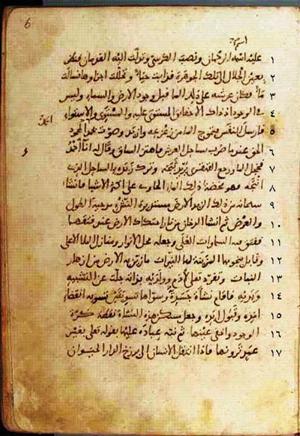
عليه اسم الرحمن، ونصب الكرسيَّ وتدلَّت إليه القَدَمَان.[39] فنظرَ بعينِ الجلال إلى تلك الجوهرة فذابت حياءً، وتحلّلت أجزاؤها فسالَت ماءً. وكان عرشُه على ذٰلك الماء، قبل وجود الأرض والسماء. وليس في الوجود إذ ذاك إلا حقائقُ المستَوى عليه والمستوِي والاستواء.

فأرسل (الرَّحمنُ) النَّفَسَ فتموَّجَ الماءُ من زعزعه وأزبد، وصوَّت بحمد الحمدِ المحمودِ الحقِّ[40] عندما ضرَبَ بساحل العرشِ فاهتزَّ السّاقُ وقال له: «أنا أحمد»!

فخجل الماءُ ورجع القهقرى يريد ثبَجَه (أي وسط البحر)، وترك زبَدَه بالسَّاحل الَّذي أنتجه. فهو (أي هٰذا الزبد) مُخضة ذٰلك الماء، الحاوي على أكثر الأشياء. فأنشأ سبحانه من ذٰلك الزَّبد الأرضَ مستديرةَ النشءِ مدحيَّةَ الطولِ والعرض.

ثمَّ أنشأ الدُّخانَ من نار احتكاك الأرض عند فتقها،[41] ففتق فيه السَّمٰواتِ العلى، وجعله محلَّ الأنوار ومنازل الملأ الأعلى. وقابَل بنجومها المزيِّنةِ لها النَّيِّراتِ، ما زيَّن به الأرضَ من أزهارِ النَّباتِ.

وتفرَّد تعالى لآدم وولدَيْه، بذاته -جلَّت عن التَّشبيه- ويدَيْه.[42] فأقامَ نشأةً جسده وسوّاها تسويتين: تسويةَ انقضاءِ أمَدِه (وهي الجسم)، وقبولِ أبَدِه (وهو الرُّوح).

وجعل مسكن هذه النشأةِ نقطةَ كرة الوجود وأخفى عينها (وهو الإنسان الكامل في العالَم، أو النَّفس الناطقة في الإنسان)، ثمَّ نبَّه عبادَهُ عليها بقوله تعالى: ﴿بِغَيْرِ عَمَدٍ تَرَوْنَهَا﴾ [الرعد: ٢] (أي أنتم ترونها بغير عمد).

فإذا انتقل الإنسان إلى برزخ الدَّار الحيوان،

Notlar

[39]

وذٰلك إشارة إلى الحديث الموقوف عن ابن عباس في تفسير قوله تعالى من آية الكرسي من سورة البقرة (2): ﴿وَسِعَ كُرْسِيُّهُ السَّمَاوَاتِ وَالأَرْضَ (255)﴾، قال: "(الكرسي) موضع القدمين، ولا يقدر قدر عرشه إلا الله"، رواه الطبراني ورجاله رجال الصحيح (انظر في: مجمع الزوائد، للحافظ الهيثمي، المجلد السابع، كتاب التفسير، الحديث رقم 10878). والقدمان هما قَدَم الربِّ وقَدَم الجبَّار وذٰلك أنّ الكرسي هو موضع تعيين الأحكام فتكون الكلمة في العرش واحدة ما فيها إلاّ الرحمة المطلقة وفي الكرسي تنقسم إلى خبر وحكم، وهٰذا هو أصل وجود الجنّة والنار والنعيم والعذاب والليل والنهار، كما شرحنا ذٰلك في كتاب نظرية الجوهر الفرد (ص: ؟؟؟).

[40]

في جوابه على السؤال السادس والسبعين من أسئلة التَّرمذيِّ الحكيم (في الباب الثالث والسبعين من هٰذا الكتاب): ما لواء الحمد؟ أجاب ابن العربي: لواء الحمد هو حمد الحمد وهو أتمُّ المحامد وأسناها وأعلاها مرتبة؛ لَمَّا كان اللِّواء يجتمع إليه النَّاس لأنَّهُ علامةٌ على مرتبة المُلْكِ ووجود المَلِكِ، كذٰلك حمد المحامد تجتمع إليه المحامد كلُّها فإنَّه الحمد الصَّحيح الَّذي لا يدخله احتمالٌ ولا يدخل فيه شكٌّ ولا ريبٌ أنَّه حمدٌ لأنَّه لذاته يدلُّ، فهو لواءٌ في نفسه. [ج2ص88]. وقال أيضاً في جوابه على السؤال التاسع والتسعين "ما مبتدأ الحمد": "... وان أراد بالحمد حمد الحمد فمبتدؤه الوهب والمنة وان أراد بمبتدأ الحمد حمد الحق الحمد أو حمد الحق نفسه أو حمد الحق مخلوقاته فالثناء على الثناء بانه ثناء ثناء عليه فمبتدؤه العلم بانه ثناء وان أراد به حمد الحق نفسه فمبتدؤه الهوية فهو غيب لا يظهر أبدا وان أراد به حمد الحق خلقه فمبتدؤه اضافة الخلق اليه تعالى لا إلى غيره وان أراد بالحمد الفاتحة ..." [ج2ص100]. ثم يفصِّل ابن العربي أنواع المحامد ومعانيها في الفصل السادس في الذكر بالتحميد من الباب الثامن والتسعون ومائة في معرفة النَّفَس. [ج2ص402].

[41]

وفي ذٰلك إشارة إلى قوله تعالى في سورة الأنبياء (21): ﴿أَوَلَمْ يَرَ الَّذِينَ كَفَرُوا أَنَّ السَّمَاوَاتِ وَالْأَرْضَ كَانَتَا رَتْقًا فَفَتَقْنَاهُمَا وَجَعَلْنَا مِنَ الْمَاء كُلَّ شَيْءٍ حَيٍّ أَفَلَا يُؤْمِنُونَ (30)﴾.

[42]

وذٰلك من قوله تعالى في سورة ص (38): ﴿... لِمَا خَلَقْتُ بِيَدَيَّ ... (75)﴾، وقد شرح ابن العربي معنى تشريف الله تعالى لآدم -إذ خلقه بيديه- في الفصِّ الأوّل من كتاب فصوص الحكم، فقال إنّ الله تعالى وصف نفسه بأنّه هو الظاهر والباطن (سورة الحديد: 3) وأوجد فينا عالَم غيب وشهادة لندرك البطن بغيبنا والظاهر بشهادتنا، ثمَّ وصف نفسه سبحانه بالرضا والغضب وأوجد العالَم ذا خوف ورجاء، ووصف نفسه بأنّه جميل وذو جلال فأوجدنا على هيبة وأنس، وهكذا، فعبَّر سبحانه عن هاتين الصِّفتين باليدين الَّتين توجّهتا منه عزَّ وجلَّ على خلق الإنسان الكامل لكونه الجامع لحقائق العالَم ومفرداته.
İngilizce

and the Name “the All-Merciful” became established upon it. He set up the Footstool, and the Two Feet descended toward it.[39] He gazed upon that jewel with the eye of Majesty, and it melted from modesty; its parts dissolved and flowed as water. His Throne was upon that water before earth and heaven existed. At that time, nothing existed but the realities of that upon which the establishment occurred, the One established, and the establishment itself.

Then (the All-Merciful) released the Breath. Its stirring made the water surge and foam, sounding the praise of praise, the truly praised,[40] as it struck the shore of the Throne. The support trembled and said to it: “I am Ahmad!”

The water was abashed and withdrew, seeking its middle (the middle of the sea), leaving upon the shore the foam it had produced. This foam was the churned essence of that water, containing most things. From it He, glory be to Him, brought forth the earth, round in its formation and spread out in length and breadth.

Then He brought forth smoke from the fire of the earth’s friction as it was split apart,[41] and within it opened out the highest heavens, making it the abode of lights and the dwelling places of the Highest Assembly. He set the shining stars that adorn them in correspondence with the flowering plants with which He adorned the earth.

For Adam and his two sons, He, exalted is He, reserved His own Essence—exalted beyond resemblance—and His Two Hands.[42] He brought into being the constitution of his body and fashioned it in two ways: for the ending of its allotted term (the body), and for the reception of its everlasting duration (the spirit).

He made the dwelling of this constitution the central point of the sphere of existence, and concealed its entity (the Perfect Human in the cosmos, or the rational soul in the human being). Then He drew His servants’ attention to it through His saying: “Without pillars that you see” [Qur’an 13:2] (that is, you see it without pillars).

When the human being passes into the barzakh of the abode of true life—

Notlar

[39]

This alludes to the report stopping at Ibn Abbas in his explanation of the Throne Verse in Surat al-Baqarah (2): “His Footstool encompasses the heavens and the earth” [2:255]. He said: “The Footstool is the place of the Two Feet, and none but God can measure His Throne.” Al-Tabarani transmitted it, and its transmitters are transmitters of the Sahih. See al-Haythami, Majma al-Zawaid, vol. 7, Book of Commentary, hadith no. 10878. The Two Feet are the foot of the Lord and the foot of the Compeller. The Footstool is the place where rulings are determined: in the Throne, the Word is one and contains only absolute mercy, whereas in the Footstool it divides into report and ruling. This is the origin of the Garden and the Fire, bliss and punishment, night and day, as we explained in Nazariyyat al-Jawhar al-Fard (p. ??? [reference unfinished]).

[40]

In answering the seventy-sixth of al-Hakim al-Tirmidhi’s questions, in Chapter Seventy-Three of this book—“What is the Banner of Praise?”—Ibn al-Arabi replies: “The Banner of Praise is the praise of praise, the most complete, radiant, and highest-ranking of praises. People gather around a banner because it signifies the rank of kingship and the king’s presence. Likewise, all praises gather around the praise of praises, for it is sound praise admitting no uncertainty, doubt, or suspicion as to its being praise, since it signifies through itself. It is thus a banner in itself” [vol. 2, p. 88]. In answering question ninety-nine, “What is the origin of praise?”, he also says: “… If by praise he means the praise of praise, its origin is gift and favour. If by the origin of praise he means the Real’s praise of praise, or the Real’s praise of Himself, or the Real’s praise of His creatures: to commend commendation as commendation is to commend it, and its origin is knowing that it is commendation. If he means the Real’s praise of Himself, its origin is Ipseity, and it is unseen, never becoming manifest. If he means the Real’s praise of His creation, its origin is attributing creation to Him, exalted is He, and to no other. If by praise he means the Fatihah …” [vol. 2, p. 100]. Ibn al-Arabi then details the kinds and meanings of praise in the sixth section, on remembrance through praising God, of Chapter One Hundred and Ninety-Eight, on knowledge of the Breath [vol. 2, p. 402].

[41]

An allusion to God’s saying in Surat al-Anbiya (21): “Have those who disbelieve not seen that the heavens and the earth were joined together, and We split them apart, and made every living thing from water? Will they not then believe?” [21:30].

[42]

From His saying in Surat Sad (38): “… what I created with My Two Hands …” [38:75]. Ibn al-Arabi explains God’s honouring of Adam by creating him with His Two Hands in the first chapter of Fusus al-Hikam. He says that God described Himself as the Manifest and the Hidden [Qur’an 57:3] and brought into being within us an unseen world and a visible world, so that we might perceive the hidden through our unseen aspect and the manifest through our visible aspect. He then described Himself by satisfaction and wrath, and brought forth the cosmos with fear and hope; and He described Himself as beautiful and possessed of majesty, and brought us forth with awe and intimacy, and so forth. He expressed these two attributes through the Two Hands directed by Him, mighty and majestic, toward the creation of the Perfect Human, who encompasses the realities and particulars of the cosmos.

Translator’s note TN12-1: The Breath, Throne, Footstool, jewel, water, and foam belong to the cosmological account as presented here. The translation preserves this imagery without substituting a modern physical mechanism. “I am Ahmad” also evokes the Arabic root for praise; the name is retained rather than reducing the expression to one meaning.

Translator’s note TN12-2: Barzakh means an intervening realm or isthmus. The phrase “abode of true life” renders dar al-hayawan in its sense of life, not “animals.” The sentence continues on the following source page, beyond this batch.

Translator’s note TN12-3: The source reads “Adam and his two sons” (waladayhi), which is retained. No alternative reading has been substituted. “Without pillars that you see” likewise preserves the interpretive openness used in the following discussion.

Yazma görüntüsüYazma cildi 1 · Sayfa 12

Arapça ve İngilizce aynı Konya sayfa kimliğiyle bağlanır. Sayfa eşleştirmesi yaklaşıktır; doğrulamak için yazma görüntüsüne bakın.

Kahire kaynak referansı

Ibn al-Arabi, The Meccan Revelations — Yazma cildi 1 · Sayfa 12 — https://www.futmak.com/turkce/konya/pages.php?id=12&text=both