Fütûhât-ı Mekkiyye

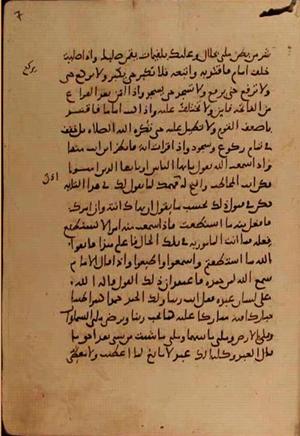
Yazma cildi 37 · Sayfa 14

Konya yazması

Arapça kaynağı açİngilizce çeviriyi aç

Arapça

شر من بطن ملئ بحلال. وعليك بلقيمات يقمن صلبك.

وإذا صليت خلف إمام فاقتد به واتبعه؛ فلا تكبر حتى يكبر، ولا تركع حتى يركع، ولا ترفع حتى يرفع، ولا تسجد حتى يسجد. وإذا أمن بعد الفراغ من الفاتحة فآمن، ولا تختلف عليه. وإذا كنت إماما فاقتد بأضعف القوم ولا تطيل عليه حتى تكره إليه الصلاة، بل خفف في تمام ركوع وسجود.

(حضور الخطاب في القراءة والصلاة)

وإذا قرأت آية فانظر أين أنت منها. وإذا سمعت الله يقول ﴿يا أَيُّهَا النَّاسُ﴾ أو ﴿يا أَيُّهَا الَّذِينَ آمَنُوا﴾ فكن أنت المخاطب وافتح له أذن فهمِك[4] لما يقول لك في هٰذا التأيه، فكن في قبول ذٰلك بحسب ما يقول: إن نهاك انته، وإن أمرك فافعل منه ما استطعت. فإذا سمعت منه أمرا لا تستطيع فعله فما أنت المأمور به في تلك الحال؛ فاعلم هٰذا. ﴿فَاتَّقُوا الله ما اسْتَطَعْتُمْ واسْمَعُوا وأَطِيعُوا﴾ [التغابن: ١٦].

وإذا قال الإمام: «سمع الله لمن حمده»، فاعتقد إن ذٰلك القول قاله الله على لسان عبده، فقل أنت: «ربنا ولك الحمد حمدا كثيرا طيبا مباركا فيه مباركا عليه كما يحب ربنا ويرضى ملء السموات وملء الأرض وملء ما بينهما وملء ما شئت من شيء بعد أحق ما قال العبد وكلنا لك عبد لا مانع لما أعطيت ولا معطي

Notlar

[4]

(أثبتت «فهمك» بدل «فمهمك» وفق الطبعة الأحدث.)
İngilizce

worse than a belly filled with lawful food. Content yourself with a few morsels that keep your back upright.

When you pray behind an imam, take him as your example and follow him. Do not pronounce the declaration of greatness until he does, bow until he bows, rise until he rises, or prostrate until he prostrates. When he says “Amen” after finishing the Opening, say “Amen,” and do not differ from him. If you are the imam, take account of the weakest of the people. Do not prolong the prayer for him until you make it hateful to him. Rather, make it light while completing the bowing and prostration.

(Presence to the Address in Recitation and Prayer)

When you recite a verse, consider where you stand in relation to it. When you hear God say ﴿O humankind﴾ or ﴿O you who believe﴾, be yourself the one addressed and open the ear of your understanding[4] to what He says to you in this address. Receive it according to what He says: if He forbids you, desist; if He commands you, do what you can of it. If you hear from Him a command you cannot perform, you are not the one commanded by it in that state. Know this. ﴿Be mindful of God as much as you can, and hear and obey﴾ [al-Taghabun 64:16].

When the imam says, “God hears whoever praises Him,” believe that God has spoken that saying upon His servant’s tongue. Then say, “Our Lord, to You belongs praise: abundant, good, blessed praise, blessed within it and upon it, as our Lord loves and is pleased with, filling the heavens, filling the earth, filling what lies between them, and filling whatever else You will thereafter—the most rightful words a servant can say, and all of us are Your servants. None can withhold what You give, and none can give

Notlar

[4]

(The reading “فهمك” (“your understanding”) has been adopted in place of “فمهمك”, following the newer edition.)

Yazma görüntüsüYazma cildi 37 · Sayfa 14

Arapça ve İngilizce aynı Konya sayfa kimliğiyle bağlanır. Sayfa eşleştirmesi yaklaşıktır; doğrulamak için yazma görüntüsüne bakın.

Kahire kaynak referansı

Ibn al-Arabi, The Meccan Revelations — Yazma cildi 37 · Sayfa 14 — https://www.futmak.com/turkce/konya/pages.php?id=10646&text=both