
Futmak · الفتوحات المكية · Meccan Revelations

Fütûhât-ı Mekkiyye

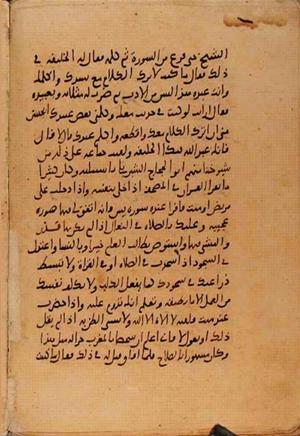
Yazma cildi 36 · Sayfa 227

Konya yazması

Arapça kaynağı açİngilizce çeviriyi aç

Arapça

الشيخ حتى فرغ من السورة ثم كلمه. فقال له الخليفة في ذٰلك، فقال: «ما كنت لأترك الكلام مع سيدك وأكلمك وأنت عبده، هٰذا ليس من الأدب».

ثم ضرب له مثلا به وبعبيده فقال: «أ رأيت لو كنت في حديث معك وكلمني بعض عبيدك، أ يحسن مني أن اترك الكلام معك وأقطعه وأكلم عبدك؟» قال: «لا». قال: «فإنك عبد الله»، فبكى الخليفة.

ولقيت جماعة على ذٰلك من شيوخنا، منهم أبو الحجاج الشبربلي بإشبيلية، وكان كثيرا ما يقرأ القرآن في المصحف إذا خلى بنفسه. وإذا دخلت على مريض أو ميت فاقرأ عنده سورة يس، فإنه اتفق لي فيها صورة عجيبة.

وعليك بالصلاة في النعال إذا لم يكن بها قذر، والمشي فيها، واستوص بطالب العلم خيرا، وبالنساء[72]. واعتدل في السجود إذا سجدت في الصلاة أو في القراءة، ولا تبسط ذراعيك في سجودك كما يفعل الكلب. ولا تكلف نفسك من العمل إلا ما تطيقه وتعلم أنك تدوم عليه.

(التلقين والجنازة وآداب الموت)

وإذا حضرت عند ميت فلقنه «لا إله إلا الله»، ولا تسيء الظن به إذا لم يقل ذٰلك أو يقول «لا». فإني أعلم أن شخصا بالمغرب جرى له مثل هٰذا وكان مشهورا بالصلاح، فلما أفاق قيل له في ذٰلك.

فقال: «ما كنت

Notlar

[72]

(أثبت فصل «خيرا، وبالنساء» وفق الطبعة الأحدث.)
İngilizce

until he finished the chapter; then he spoke to him. The caliph questioned him about this, and he replied: “I would not abandon speaking with your Master in order to speak with you, when you are His servant. That would not be proper courtesy.”

Then he offered him an analogy involving the caliph and his slaves, saying: “Suppose I were speaking with you and one of your slaves addressed me. Would it be proper for me to abandon and interrupt my conversation with you in order to speak with your slave?” He replied: “No.” He said: “You are God’s servant.” The caliph wept.

I have met a number of our shaykhs who followed this practice, including Abū al-Ḥajjāj al-Shaburballī in Seville, who often read the Qurʾān from the codex when alone. When you visit someone sick or dying, recite the chapter Yā Sīn in his presence, for an extraordinary occurrence connected with it happened to me.

Pray in sandals when there is no filth on them, and walk in them. Treat the seeker of knowledge well, and women too[72]. Adopt a balanced posture when prostrating in prayer or during recitation, and do not spread your forearms on the ground in prostration as a dog does. Charge yourself only with work you can bear and that you know you can maintain.

(Prompting the Dying, Funerals, and the Etiquette of Death)

When present with a dying person, prompt him to say, “There is no god but God.” Do not think ill of him if he does not say it, or if he says “No.” I know of a person in the Maghrib to whom something like this happened, who was renowned for righteousness. When he regained consciousness, he was questioned about it.

He said: “I was not

Notlar

[72]

(The division “خيرا، وبالنساء,” “well, and women too,” has been established according to the newer edition.)

Yazma görüntüsüYazma cildi 36 · Sayfa 227

Arapça ve İngilizce aynı Konya sayfa kimliğiyle bağlanır. Sayfa eşleştirmesi yaklaşıktır; doğrulamak için yazma görüntüsüne bakın.

Kahire kaynak referansı

Ibn al-Arabi, The Meccan Revelations — Yazma cildi 36 · Sayfa 227 — https://www.futmak.com/turkce/konya/pages.php?id=10619&text=both