Fütûhât-ı Mekkiyye

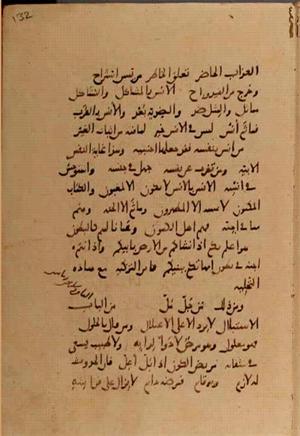
Yazma cildi 34 · Sayfa 264

Konya yazması

Arapça kaynağı açİngilizce çeviriyi aç

Arapça

العذاب الحاضر تعلق الخاطر.

من يئس استراح، وخرج من القيد وراح. الأنس بالمشاكل، والمشاكل مماثل. والمثل ضد، والضدية بعد، والأنس بالقرب؛ فما ثم أنس. ليس في الأنس خير؛ لما فيه من إثبات الغير.

من أنس بنفسه؛ فقد جعلها أجنبية، وهٰذا غاية النفس الآبية. ومن تغرب عن نفسه جهل في جنسه، واستوحش في أنسه.

الأنس بالأنس لا يكون إلا لمغبون. والكتاب المكنون ﴿لا يَمَسُّهُ إِلَّا الْمُطَهَّرُونَ﴾ [الواقعة: ٧٩].

وما ثم إلا الجنة، وهم منا في أجنة؛ فهم أهل الكمون، وعمانا لهم كالبطون. هو أعلم بكم[81] ﴿إِذْ أَنْشَأَكُمْ من الْأَرْضِ﴾ [النجم: ٣٢]، بأبيكم، و﴿إِذْ أَنْتُمْ أَجِنَّةٌ في بُطُونِ أُمَّهاتِكُمْ﴾ [النجم: ٣٢]، ببنيكم. فأين التزكية مع هذه التخلية؟

ومن ذٰلك من جل مل من الباب 248

الاستبلال لا يرد إلا على الاعتلال. ومن قال بالحلول فهو معلول، وهو مرض لا دواء لدائه، ولا طبيب يسعى في شفائه.

مريض الكون إذا بل أعل؛ فإن الحدوث له لازم وبه قائم؛ فمرضه دائم. لا يزال على فراشه

Notlar

[81]

(أثبتت «بكم» بدل «لكم»، موافقةً للطبعة الأحدث ولفظ الآية من سورة النجم، الآية ٣٢.)
İngilizce

Present torment is thought’s attachment.

One who gives up hope rests, leaves confinement, and departs. Familiarity is with the similar, and the similar is a likeness. The like is an opposite; opposition is distance, while familiarity is through nearness. There is therefore no familiarity. Familiarity contains no good because it establishes another.

One who finds familiarity with himself has made himself foreign. This is the utmost of the recalcitrant self. One who becomes estranged from himself is ignorant among his kind and finds desolation within his familiarity.

Familiarity with familiarity belongs only to one defrauded. The guarded Book “is touched only by the purified” [al-Waqiʿa 56:79].

There are only the hidden ones, who are within embryos of us: they are the people of concealment, and our blindness is like wombs to them. “He knows you best”[81] “when He constituted you from the earth” [al-Najm 53:32]—through your father—and “when you were embryos within your mothers’ wombs” [al-Najm 53:32]—through your children. Where is purification with this emptying?

Among this: whoever becomes great becomes weary, from Chapter 248.

Recovery occurs only after illness. One who affirms indwelling is ill: it is an illness with no remedy for its disease and no physician pursuing its cure.

The patient of engendered being becomes ill when he recovers, for temporal origination necessarily accompanies him and he subsists through it. His illness is therefore permanent. He remains upon his bed,

Notlar

[81]

(Bikum, “you,” was established in place of lakum, “for you,” in agreement with the newer edition and the wording of al-Najm, verse 32.)

Translator’s note: Al-jinna, “the hidden ones,” echoes ajinna, “embryos”; al-janna, “the Garden,” is another vocalization. The printed ʿamānā is read as “our blindness”; a reference to the Cloud, ʿamāʾ, is also possible.

Yazma görüntüsüYazma cildi 34 · Sayfa 264

Arapça ve İngilizce aynı Konya sayfa kimliğiyle bağlanır. Sayfa eşleştirmesi yaklaşıktır; doğrulamak için yazma görüntüsüne bakın.

Kahire kaynak referansı

Ibn al-Arabi, The Meccan Revelations — Yazma cildi 34 · Sayfa 264 — https://www.futmak.com/turkce/konya/pages.php?id=10096&text=both