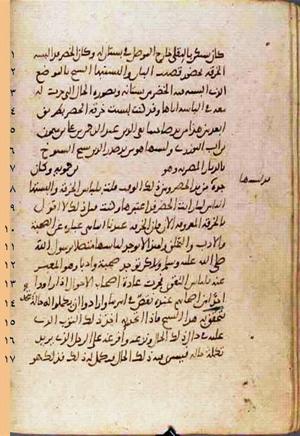
He lived at al-Muqalla outside Mosul, in a garden of his. Khidr had invested him with the cloak in the presence of Qaḍīb al-Bān. The shaykh invested me with it in the place within his garden where Khidr had invested him, reproducing the state that had occurred between them during that investiture.
I had previously worn Khidr’s cloak through a more distant chain, from the hand of our companion Taqi al-Din Abd al-Rahman ibn Ali ibn Maymun ibn Ab al-Tuzari. He had received it from the hand of Sadr al-Din, the shaykh of shaykhs in the Egyptian lands, who was Muhammad ibn Hamuyah. His grandfather had received it from the hand of Khidr.
From that time I affirmed wearing the cloak and invested people with it, because I saw that Khidr had given it recognition. Before then I had not affirmed the cloak as it is known today. For us, the cloak means companionship, courtesy, and the cultivation of character. For this reason, its investiture is not found in an uninterrupted chain reaching the Messenger of God, may God bless him and grant him peace; what is found is companionship and courtesy, expressed as the garment of God-consciousness.
It became the custom of the possessors of spiritual states that, if they saw a deficiency in some matter in one of their companions and wished to perfect his state, the shaykh would unite with him. Once united with him, he would take the garment he was wearing while in that state, remove it, and drape it upon the man whose state he wished to perfect. That state would then pervade him, perfecting it for him. This is the—
Notes
Translator’s note TN747-1: “Cloak” renders khirqah, an investiture associated here with companionship, spiritual courtesy, and the transmission of a state. The author distinguishes the material garment and its chain of investiture from the relationship and cultivation of character it signifies.