
Futmak · الفتوحات المكية · Meccan Revelations

The Meccan Revelations

Manuscript volume 1 · Page 229

Konya manuscript

Open Arabic sourceOpen English translation

Arabic

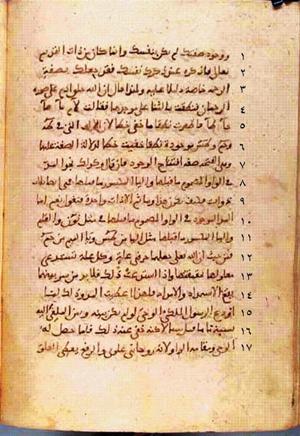
وإنما ذٰلك من جانب القديم سبحانه (الَّذي) لا يحتمل الحركة ولا يقبلها، ولكنَّ ذٰلك من صِفَةِ المقام وحقيقته الَّذي نزلت به الوَاوُ واليَاءُ.

فمدلول الأَلِفِ قديم والوَاوُ واليَاءُ محرَّكتان كانَتَا أو لا محرَّكتان فهما حادثان، فإذا ثبتَ هٰذا فكلُّ أَلِفٌ أو وَاوٌ أو يَاءٌ ارْتقمت أو حصل النُّطق بها فإنما هي دليل، وكلُّ دليل مُحدَث يستدعي مُحدَثاً، والمُحدَثُ لا يحصرُهُ الرَّقْمُ ولا النُّطقُ إنما هو غيبُ ظاهر.

ولذلك نقول ﴿يس﴾ و﴿ن﴾ فتجده نطقاً، وهو ظهورُهُ، ولا تجده رقْماً وهو غيبُهُ؛ وهٰذا (هو) سبب حصول العِلم بوجود الخالق لا بذاته، وبوجود ﴿لَيْسَ كَمِثْلِهِ شَيْءٌ وَهُوَ السَّمِيعُ البَصِيرُ﴾ [الشورى: ١١] (أي التَّنْزيه، أو نفي المشابهة) لا بذاته (سبحانه وتعالى عن أن يُحاط به علماً).

(أين تطلب الحق)

واعلم أيُّها المتلقِّي أنَّهُ كلَّ ما دخل تحت الحصر فهو مُبدَعٌ أو مخلوقٌ[280] وهو محلُّك، فلا تطلبِ الحقَّ لا من داخلٍ ولا من خارجٍ إذِ الدُّخولُ والخروجُ من صفات الحدوث، فانظرِ الكُلَّ في الكُلِّ تجدِ الكُلَّ؛ فالعرشُ مجموعٌ والكرسيُّ مفروق:[281]

يَا طَالِباً لِوُجُودِ الحَقِّ يُدْرِكُهُ

ارْجِعْ لِذَاتِكَ فِيكَ الحَقُّ فَالْتَزِمِ

(وكما يقول الله تعالى في سورة الحديد [57]:) ﴿... ارْجِعُوا وَرَاءكُمْ فَالْتَمِسُوا نُورًا ... [13]﴾ [الحديد: ١٣]، فلو لَم يرجعوا لوجدوا النُّور فلمَّا رجعوا باعتقاد القطع ضُرب بينهم بالسُّور (كما قال الله تعالى: في تتمّة هذه الآية: ﴿... فَضُرِبَ بَيْنَهُم بِسُورٍ لَّهُ بَابٌ بَاطِنُهُ فِيهِ الرَّحْمَةُ وَظَاهِرُهُ مِن قِبَلِهِ الْعَذَابُ [13]﴾ )،

وإلا لو عرفوا من ناداهم بقوله ﴿ارْجِعُوا وَرَاءكُمْ﴾ لقالوا: «أنت مطلوبنا»،

Notes

[280]

الفرق بين الإبداع والخلق...

[281]

الكلمة
English

rather, it comes from the side of the Beginningless, glory be to Him, who neither admits nor accepts movement. It belongs, however, to the character and reality of the station occupied by wāw and yā.

What alif signifies is beginningless, whereas wāw and yā, whether vocalized or unvocalized, are both temporally originated. Once this is established, every alif, wāw, or yā that is written or pronounced is only an indication. Every indication is originated and calls for an originator; the originator is encompassed neither by writing nor by pronunciation, but is an unseen manifest reality.

Thus we say “Yā Sīn” and “Nūn”: you find it in pronunciation, which is its manifestation, but not in writing, which is its hiddenness. This is why knowledge is attained of the Creator’s existence, not His Essence, and of the existence of “There is nothing like Him, and He is the All-Hearing, the All-Seeing” [Qur’an 42:11]—that is, incomparability, or the negation of resemblance—not of His Essence, glory and exaltation be to Him beyond being encompassed by knowledge.

(Where to Seek the Real)

Know, you who receive this, that everything encompassed by limitation is originated without precedent or created,[280] and that is your domain. Do not seek the Real either within or without, for entering and leaving are attributes of temporal origination. Look at the whole within the whole, and you will find the whole. The Throne is gathered, and the Footstool differentiated:[281]

You who seek to apprehend the Real’s existence,
Return to your essence: within you is the Real, so hold fast.

(As God says in Surat al-Hadid:) “Go back behind you and seek a light” [Qur’an 57:13]. Had they not gone back, they would have found the light. When they went back believing in separation, the wall was erected between them (as God says in the continuation of this verse: “Then a wall was erected between them, with a gate: within it is mercy, and outside it, facing that way, is punishment” [57:13]).

Had they known who was calling to them with the words “Go back behind you,” they would have said, “You are the One we seek”—

Notes

[280]

“The difference between origination without precedent and creation …” [Unfinished note in the source.]

[281]

“The Word.” [Unfinished note in the source.]

Translator’s note TN229-1: The contrast between pronunciation and writing concerns the letters heard in the spoken names of letters but not separately written in their single written signs. The same Arabic consonants can be vocalized as “originated” or “originator”; the latter reading is used in the inference from an originated indication to that which originates it.

Manuscript imageManuscript volume 1 · Page 229

Arabic and English are linked by the same Konya page ID. Page alignment is approximate; consult the manuscript image for verification.

Cairo source reference

Ibn al-Arabi, The Meccan Revelations — Manuscript volume 1 · Page 229 — https://www.futmak.com/english/konya/pages.php?id=229&text=both