The Meccan Revelations

Manuscript volume 8 · Page 58

Konya manuscript

Open Arabic sourceOpen English translation

Arabic

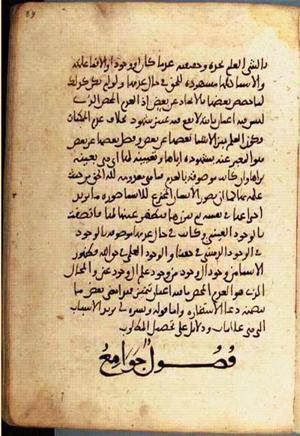
بالشيء العلم بحده وحقيقته عدما كان أو وجودا؛ وإلا فما علمته.

والأشياء كلها مشهودة للحق في حال عدمها ولو لم تكن كذٰلك لما خصص بعضها بالإيجاد عن بعض؛ إذ العدم المحض الذي ليس فيه أعيان ثابتة لا يقع فيه تمييز شهود بخلاف عدم الممكنات.

فكون العلم ميز الأشياء بعضها عن بعض وفصل بعضها عن بعض (فهذا) هو المعبر عنه بشهوده إياها وتعيينه لها، أي هي بعينه يراها وإن كانت موصوفة بالعدم فما هي معدومة لله الحق من حيث علمه بها.

كما إن تصور الإنسان المخترع للأشياء صورة ما يريد اختراعها في نفسه ثم يبرزها فيظهر عينها لها فاتصفت بالوجود العيني وكانت في حال عدمها موصوفة بالوجود في الوجود الذهني في حقنا والوجود العلمي في حق الله[11] فظهور الأشياء (إنما هو) من وجود إلى وجود: من وجود علم إلى وجود عين والمحال الذي هو العدم المحض ما فيه أعيان تتميز.

فهٰذا معنى بعض ما يتضمنه دعاء الاستخارة وأما قوله: «ويسره لي»، يريد الأسباب التي هي علامات ودلائل على تحصيل المطلوب.

فصول جوامع

Notes

[11]

(يميز السياق بين ثبوت الشيء في العلم وبين ظهوره في الوجود العيني؛ وعلى هذا التمييز يبني تفسير الاستخارة.)
English

of a thing does entail knowing its definition and reality, whether in nonexistence or existence. Otherwise you have not known it.

All things are witnessed by the Real in their state of nonexistence. Were this not so, He would not have singled out some for existence rather than others, for in sheer nonexistence containing no fixed entities there is no differentiation for witnessing, unlike the nonexistence of possible things.

Knowledge distinguishes things from one another and separates some from others. This is what is expressed as His witnessing and specifying them. He sees them with His eye, although they are described by nonexistence. They are not nonexistent for God the Real in respect of His knowledge of them.

Likewise a human inventor forms within himself the image of what he wishes to invent. He then brings it forth, so that its own entity appears to it and it is described by concrete existence. In its state of nonexistence it was described by existence in mental existence in our case, and existence in knowledge in God’s case[11]. The appearance of things is thus from existence to existence, from existence in knowledge to concrete existence. The impossible, which is sheer nonexistence, contains no entities to be distinguished.

This is some of what is contained in the supplication for seeking God’s choice. As for “Make it easy for me,” he means the causes that are signs and indications of obtaining what is sought.

Comprehensive Sections

Notes

[11]

(The context distinguishes a thing’s being established in knowledge from its appearance in concrete existence. The interpretation of seeking God’s choice is built on this distinction.)

Manuscript imageManuscript volume 8 · Page 58

Arabic and English are linked by the same Konya page ID. Page alignment is approximate; consult the manuscript image for verification.

Cairo source reference

Ibn al-Arabi, The Meccan Revelations — Manuscript volume 8 · Page 58 — https://www.futmak.com/english/konya/pages.php?id=2270&text=both