so what do you think of intimate converse with the Real, exalted is He, which is more emphatic and more binding?
The two cycles of the dawn Sunnah are a Sunnah by agreement. The Prophet, may God bless him and grant him peace, made them up after sunrise when he slept through the dawn prayer until the sun rose. He prayed them and then prayed the dawn prayer. In our view this was no making up. He prayed them at their proper time, just as he prayed the dawn prayer at its proper time, for that is the time of prayer for someone who slept or forgot. Thus it should not be called making up in the technical terminology of the jurists.
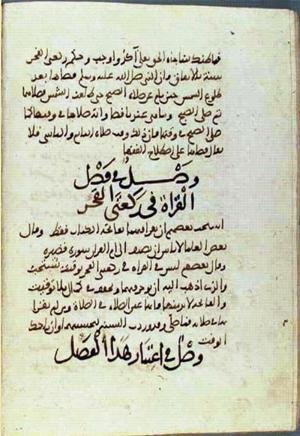
Continuation on the Section Concerning Recitation in the Two Cycles of the Dawn Sunnah
Some recommend reciting only the Opening of the Book in them. Some scholars say there is no harm in adding a short surah to the Mother of the Quran. Some say there is no prescribed measure of recitation that is recommended for these two cycles. My view is that one should be brief and light in them while maintaining completeness, without a prescribed measure. The Opening is indispensable, for it is the very prayer within the prayer. Whoever does not recite it in his prayer has not prayed. The Sunnah calls for performing these two cycles well even when time presses.
Continuation on the Inward Application of This Section
Notes
Translator’s note TN2055-1: The author distinguishes performing a missed prayer after its ordinary clock time from making it up in the jurists’ technical sense. For the sleeper or forgetful person, he treats waking or remembering as the prayer’s proper time.