
Futmak · الفتوحات المكية · Meccan Revelations

The Meccan Revelations

Manuscript volume 32 · Page 149

Konya manuscript

Open Arabic sourceOpen English translation

Arabic

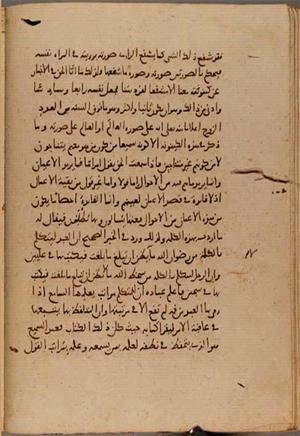
فقد شفع ذٰلك الشيء، كما يشفع الرائي صورته برؤيته في المرآة نفسه، فيحكم بالصورتين صورته وصورة ما شفعها.

فلذٰلك ما أتى الحق في الإخبار عن كينونته معنا إلا مشفعا لفرديتنا، فجعل نفسه رابعا وسادسا وأدنى من ذٰلك وهو أن يكون ثانيا، وأكثر وهو ما فوق الستة من العدد الزوج. إعلاما منه تعالى أنه على صورة العالَم أو العالَم على صورته.

(أحوال القول ومراتبه)

وما ذكر في هذه الكينونة إلا كونه سميعا من كون من هو معهم يتناجون، لا من كونهم غير متناجين. فإذا سمعت الحق يقول أمرا ما فما يريد الأعيان، وإنما يريد ما هم فيه من الأحوال، إما قولا وإما غير قول من بقية الأعمال.

إذ لا فائدة في قصد الأعيان لعينهم، وإنما الفائدة إحصاء ما يكون من هذه الأعيان من الأحوال، فعنها يسألون وبها يطلبون، فيقال له: «ما أردت بهذه الكلمة؟»

ولذٰلك ورد في الخبر الصحيح «أن العبد ليتكلم بالكلمة من رضوان الله ما لا يظن أن تبلغ ما بلغت فيكتب بها في عليين، وإن الرجل ليتكلم بالكلمة من سخط الله ما لا يظن أن تبلغ ما بلغت فيكتب بها في سجين».

فأعلم عباده أن للمتكلم مراتب يعلمها السامع، إذا رمى بها العبد من فمه لم تقع إلا في مرتبتها. وإن المتلفظ بها يتبعها في عاقبة الأمر ليقرأ كتابه حيث كان ذٰلك الكتاب. فعبد السميع هو الذي يتحفظ في نطقه لعلمه بمن يسمعه وعلمه بمراتب القول،
English

He has made that thing even, as the beholder pairs his image by seeing himself within the mirror. He judges there to be two forms: his own form and the form that has paired it.

For this reason, when reporting His being with us, the Real spoke only as making our individuality even. He made Himself fourth and sixth, and fewer than this, namely second, and more, namely the even numbers above six. He, Most High, thereby informs us that He is in the world’s form, or the world is in His form.

(The States and Ranks of Speech)

Within this being-with, He mentions only His being a hearer, insofar as those with whom He is converse in secret, not insofar as they do not converse in secret. When you hear the Real say some affair, He does not intend the entities: He intends the states they are in, whether speech or another of the remaining acts.

There is no benefit in intending the entities for their very selves. The benefit is in counting the states that issue from these entities. About those states they are questioned and for them they are sought. He is asked, “What did you intend by this word?”

For this reason the authentic report has come: “A servant speaks a word pleasing to God, not imagining that it will reach what it reaches, and through it he is inscribed in ʿIlliyyin. A man speaks a word incurring God’s displeasure, not imagining that it will reach what it reaches, and through it he is inscribed in Sijjin.”

He has thus informed His servants that the speaker has ranks known to the hearer. When the servant casts words from his mouth, they fall only in their rank. The one uttering them follows them in the affair’s final outcome, to read his book wherever that book is. The Servant of the All-Hearing is therefore one who guards his utterance, knowing who hears him and knowing the ranks of speech,

Manuscript imageManuscript volume 32 · Page 149

Arabic and English are linked by the same Konya page ID. Page alignment is approximate; consult the manuscript image for verification.

Cairo source reference

Ibn al-Arabi, The Meccan Revelations — Manuscript volume 32 · Page 149 — https://www.futmak.com/english/konya/pages.php?id=9473&text=both