The Meccan Revelations

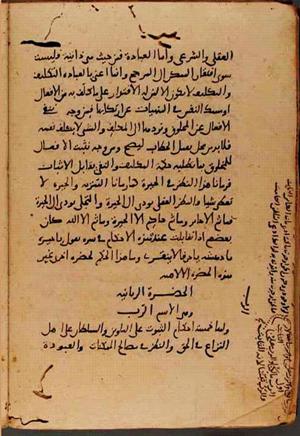
Manuscript volume 32 · Page 11

Konya manuscript

Open Arabic sourceOpen English translation

Arabic

العقلي والشرعي. وأما العبادة، فمن حيث هي ذاتية فليست سوى افتقار الممكن إلى المرجح.

(التكليف وإضافة الأفعال)

وإنما أعني بالعبادة التكليف، والتكليف لا يكون إلا لمن له الاقتدار على ما كلف به من الأفعال أو مسك النفس في المنهيات عن ارتكابها. فمن وجه ننفي الأفعال عن المخلوق ونردها إلى المكلِّف، والشيء لا يكلف نفسه، فلا بد من محل يقبل الخطاب ليصح.

ومن وجه نثبت الأفعال للمخلوق بما تطلبه حكمة التكليف، والنفي يقابل الإثبات. فرمانا هٰذا النظر في الحيرة كما رمانا التنزيه، والحيرة لا تعطي شيئا، فالنظر العقلي يؤدي إلى الحيرة والتجلي يؤدي إلى الحيرة.

فما ثم إلا حائر، وما ثم حاكم إلا الحيرة، وما ثم إلا الله. كان بعضهم إذا تقابلت عنده هذه الأحكام في سره يقول: «يا حيرة، يا دهشة، يا حرقا لا يَنْقَرِي». وما هٰذا الحكم لحضرة أخرى غير هذه الحضرة الإلهية.

الحضرة الربانية وهي الاسم الرب

الرب مالكنا والرب مصلحنا

و الرب ثبتنا لأنه الثابت

لو لا وجودي وكون الحق أوجدني

ما كنت أدري بأني الكائن الفائت

فالحق أوجدني منه وأيدني

به لذٰلك أُدعى الناطق الصامت

(أحكام الربانية والثبوت على التلوين)

ولها خمسة أحكام: الثبوت على التلوين، والسلطان على أهل النزاع في الحق، والنظر في مصالح الممكنات، والعبودة
English

and revealed consideration end. As for worship, insofar as it is intrinsic, it is only the possible’s need for a preponderator.

(Obligation and the Attribution of Acts)

By worship I mean only being charged with obligations. Such charging applies only to one capable of the acts with which he is charged, or of restraining the soul from committing prohibited things. From one aspect we deny acts to the creature and return them to the one imposing obligations. A thing does not impose obligations upon itself: a locus that receives the address is therefore necessary for it to be valid.

From another aspect we affirm acts for the creature, as the wisdom of imposing obligations requires. Negation confronts affirmation. This consideration casts us into perplexity, just as transcendence did, and perplexity imparts nothing. Rational consideration leads to perplexity, and self-disclosure leads to perplexity.

There is therefore none but a perplexed one, no ruler but perplexity, and nothing but God. When these rulings confronted one another within his secret, one of them would say, “O perplexity! O bewilderment! O burning without respite!” This ruling belongs to no presence other than this Divine Presence.

The Presence of Lordship, Which Is the Name Lord

The Lord owns us, and the Lord sets us right;

the Lord is our firmness, for He is firm.

Were it not for my existence and the Real’s bringing me into being,

I would not know that I am the being who passes away.

The Real brought me into being from Him and supported me

through Him: for this I am called the speaking silent one.

(The Rulings of Lordship and Constancy in Variation)

It has five rulings: constancy in variation, authority over those who dispute concerning the Real, consideration of the welfare of the possible things, servitude

Manuscript imageManuscript volume 32 · Page 11

Arabic and English are linked by the same Konya page ID. Page alignment is approximate; consult the manuscript image for verification.

Cairo source reference

Ibn al-Arabi, The Meccan Revelations — Manuscript volume 32 · Page 11 — https://www.futmak.com/english/konya/pages.php?id=9335&text=both