The Meccan Revelations

Manuscript volume 32 · Page 10

Konya manuscript

Open Arabic sourceOpen English translation

Arabic

وإن لم نقل شيئا من هٰذا كله عطلنا حكم هذه القوة النظرية.

وإن قلنا إن الأمور كلها لا حقيقة لها، وإنما هي أوهام وسفسطة لا تحوي على طائل، ولا ثقة لأحد بشيء منها، لا من طريق حسي ولا فكري عقلي؛ فإن كان هٰذا القول الأخير صحيحا فقد علم، فما هٰذا الدليل الذي أوصلنا إليه؟ وإن لم يكن صحيحا فبأي شيء علمنا أنه ليس بصحيح؟

(النظر والشرع والحيرة)

فإذا عجز العقل عن الوصول إلى العلم بشيء من هذه الفصول رجعنا إلى الشرع، ولا نقبله إلا بالعقل، والشرع فرع عن أصل علمنا بالشارع وبأي صفة وصل إلينا وجود هٰذا الشرع. وقد عجزنا عن معرفة الأصل، فنحن عن الفرع وثبوته أعجز.

فإن تعامينا وقبلنا قوله إيمانا لأمر ضروري في نفوسنا لا نقدر على دفعه، سمعناه ينسب إلى الله أمورا تقدح فيها الأدلة النظرية، وبأي شيء منهما تمسكنا قابله الآخر[2]. فإن تأولنا ما جاء به لنرده إلى النظر العقلي، فنكون قد عبدنا عقولنا وحملنا وجوده تعالى على وجودنا، وهو لا يدرك بالقياس.

فأدانا تنزيهنا إلهنا إلى الحيرة، فإن الطرق كلها قد تشوشت، فصارت الحيرة مركِزا، إليها ينتهي النظر

Notes

[2]

صُحِّح «قابلة» إلى «قابله»، و«منها» إلى «منهما»، كما في الطبعة الجديدة. (الطبعة الجديدة، ج 11، ص 202.)
English

If we say none of all this, we render the ruling of this power of consideration inoperative.

If we say that none of these affairs has any reality, that they are only estimations and sophistry containing nothing worthwhile, and that no one can trust any of them, whether by a sensory path or an intellectual, reflective path—if this last statement is true, it has been known: what proof brought us to it? If it is not true, by what did we know that it is not true?

(Consideration, the Revealed Law, and Perplexity)

If intellect cannot reach knowledge of anything within these sections, we return to the Revealed Law, which we accept only through intellect. The Revealed Law is a branch of the root of our knowledge of the Lawgiver and through what attribute the existence of this Law reached us. We have been unable to know the root, so we are still less able to know the branch and establish it.

If we turn a blind eye and accept its statement in faith because of something necessary within our souls that we cannot repel, we hear it attribute to God matters that rational proofs impugn. Whichever of the two we hold to, the other confronts it[2]. If we interpret what it has brought to return it to rational consideration, we will have worshipped our intellects and measured His existence, Most High, by ours, while He cannot be perceived through analogy.

Our declaring our God transcendent has thus led us to perplexity, for all paths have become confused. Perplexity becomes a center at which both rational

Notes

[2]

Qābila has been corrected to qābalahu, “confronted it,” and minhā to minhumā, “of the two,” as in the new edition. (New edition, volume 11, page 202.)

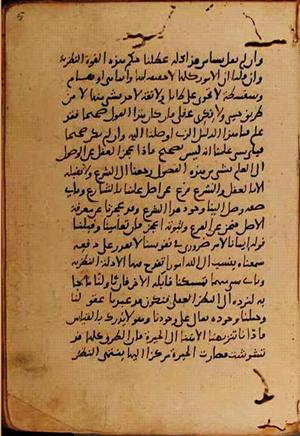
Manuscript imageManuscript volume 32 · Page 10

Arabic and English are linked by the same Konya page ID. Page alignment is approximate; consult the manuscript image for verification.

Cairo source reference

Ibn al-Arabi, The Meccan Revelations — Manuscript volume 32 · Page 10 — https://www.futmak.com/english/konya/pages.php?id=9334&text=both