
Futmak · الفتوحات المكية · Meccan Revelations

The Meccan Revelations

Manuscript volume 31 · Page 128

Konya manuscript

Open Arabic sourceOpen English translation

Arabic

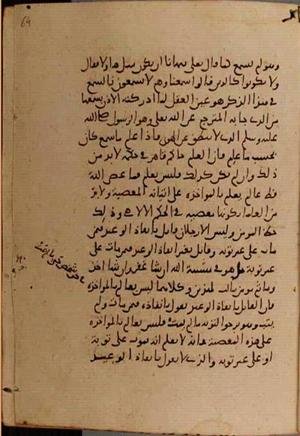
وهو لم يسمع، كما قال تعالى ينهانا أن نكون مثل هٰؤلاء فقال: ﴿ولا تَكُونُوا كَالَّذِينَ قالُوا سَمِعْنا وهُمْ لا يَسْمَعُونَ﴾ [الأنفال: ٢١] فالسمع في هٰذا الذكر هو عين العقل لما أدركته الأذن بسمعها، من الذي جاء به المترجم عن الله تعالى، وهو الرسول ص الذي لا ينطق عن الهوى.

(العلم بالمؤاخذة والمعصية)

فإذا علم ما سمع كان بحسب ما علم؛ فإن العلم حاكم قاهر في حكمه لا بد من ذٰلك، وإن لم يكن كذٰلك فليس بعلم، فما عصى الله قط عالم يعلم بالمؤاخذة على إتيانه المعصية، ولا بد من العلم بكونها معصية في الحكم الإلهي، وذٰلك حظ المؤمن.

(الوعيد والتوبة والمشيئة)

وليس إلا رجلان: قائل بإنفاذ الوعيد فيمن مات على غير توبة، وقائل بغير إنفاذ الوعيد فيمن مات على غير توبة، بل هو في مشيئة الله، إن شاء غفر وإن شاء آخذ، وما ثم مؤمن ثالث لهذين، وكلاهما ليس بعالم بالمؤاخذة في حق شخص حي ما لم يمت.

فإن القائل بإنفاذ الوعيد يقول بإنفاذه فيمن مات ولم يتب، وهو يرجو التوبة ما لم يمت، فليس بعالم بالمؤاخذة على هذه المعصية؛ فإنه لا يعلم أنه يموت على توبة أو على غير توبة، والذي لا يقول بإنفاذ الوعيد
English

without having heard. Thus He, exalted is He, forbids us to be like such people, saying: ﴿Do not be like those who say, “We heard,” while they do not hear﴾ [The Spoils 8:21]. Hearing within this remembrance is the very understanding of what the ear apprehended through its hearing of what was brought by the interpreter from God, exalted is He: the Messenger, God’s blessings and peace be upon him, who does not speak from desire.

(Knowledge of Accountability and Disobedience)

When he knows what he has heard, he acts according to what he knows. Knowledge is a ruler whose ruling compels: this is indispensable. If it is not thus, it is not knowledge. No knower who knows that he will be held accountable for committing disobedience has ever disobeyed God. There must also be knowledge that it is disobedience in the divine ruling; this is the believer’s portion.

(The Threat, Repentance, and Will)

There are only two kinds of person: one who affirms that the threat will be carried out against someone who dies without repentance, and one who affirms that it need not be carried out against someone who dies without repentance, but that he is subject to God’s will: if He wills, He forgives; if He wills, He holds him accountable. There is no third kind of believer beyond these two, and neither knows that a living individual will be held accountable before he dies.

The one who affirms the carrying out of the threat affirms it concerning someone who dies without repenting. Until he dies, he hopes for repentance, so he does not know that he will be held accountable for this disobedience, for he does not know whether he will die repentant or unrepentant. The one who does not affirm the carrying out of the threat

Manuscript imageManuscript volume 31 · Page 128

Arabic and English are linked by the same Konya page ID. Page alignment is approximate; consult the manuscript image for verification.

Cairo source reference

Ibn al-Arabi, The Meccan Revelations — Manuscript volume 31 · Page 128 — https://www.futmak.com/english/konya/pages.php?id=9186&text=both