
Futmak · الفتوحات المكية · Meccan Revelations

The Meccan Revelations

Manuscript volume 31 · Page 120

Konya manuscript

Open Arabic sourceOpen English translation

Arabic

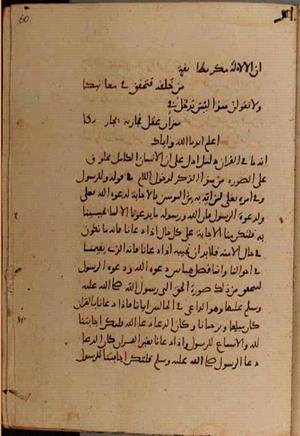
إن الإله له مكر بطائفة

من خلقه فتحقق في معانيكا

و لا تقولن هٰذا ليس يدخل في

ميزان عقل فجاريه يجاريكا

(الاستجابة ودلالة الصورة)

اعلم أيدنا الله وإياك بروح القدس أنه ما في القرآن دليل أدل على إن الإنسان الكامل مخلوق على الصورة من هٰذا الذكر، لدخول اللام في قوله «وللرسول»، وفي أمره تعالى لمن أَيَّهَ به من المؤمنين[24] بالإجابة لدعوة الله تعالى ولدعوة الرسول؛ فإن الله ورسوله ما يدعونا إلا لما يحيينا به، فلتكن منا الإجابة على كل حال إذا دعانا؛ فإنه ما نكون في حال إلا منه، فلا بد أن نجيبه إذا دعانا؛ فإنه الذي يقيمنا في أحوالنا.

(دعوة الله ودعوة الرسول)

وإنما فصل هنا بين دعوة الله ودعوة الرسول لنتحقق من ذٰلك صورة الحق التي رسول الله ص عليها، وهو الداعي في الحالتين إيانا، فإذا دعانا بالقرآن كان مبلغا وترجمانا، وكان الدعاء دعاء الله، فلتكن إجابتنا لله والإسماع للرسول، وإذا دعانا بغير القرآن كان الدعاء دعاء الرسول ص، فلتكن إجابتنا للرسول ص،

Notes

[24]

صُحِّح «آية» إلى «أيّه»؛ أي نادى المؤمنين وخاطبهم، كما في الطبعة الجديدة. (الطبعة الجديدة، ج 11، ص 85.)
English

God employs a stratagem with a group

of His creation: realize your own meanings.

Do not say, ‘This does not enter

intellect’s balance.’ Go along with Him, and He goes along with you.

(Responding and the Indication of the Form)

Know—may God support us and you through the Holy Spirit—that no proof in the Qurʾan indicates more strongly than this invocation that the Perfect Human Being is created in the form, because of the inclusion of the lam, ‘to,’ in His saying ‘and to the Messenger,’ and His command to the believers He called and addressed[24] to respond to God’s call and the Messenger’s call. God and His Messenger call us only to what gives us life. Let us therefore respond whenever He calls us, for no state we possess is except from Him. We must respond when He calls, for He is the one who establishes us within our states.

(God’s Call and the Messenger’s Call)

He distinguished here between God’s call and the Messenger’s call so that we might realize the Real’s form in which God’s Messenger—God’s blessings and peace be upon him—stands. He is the one calling us in both cases. When he calls us through the Qurʾan, he conveys and translates, and the call is God’s call. Let our response therefore be to God, and let us make it heard by the Messenger. When he calls us through other than the Qurʾan, the call is the Messenger’s call—God’s blessings and peace be upon him—and our response should be to the Messenger, God’s blessings and peace be upon him,

Notes

[24]

آية was corrected to أيّه, meaning that He called and addressed the believers, as in the new edition. (New edition, volume 11, page 85.)

Translator’s note: Ismaʿ means “making heard”; its unexpressed object is taken here as the response just mentioned. The construction also permits assigning audible conveying to the Messenger.

Manuscript imageManuscript volume 31 · Page 120

Arabic and English are linked by the same Konya page ID. Page alignment is approximate; consult the manuscript image for verification.

Cairo source reference

Ibn al-Arabi, The Meccan Revelations — Manuscript volume 31 · Page 120 — https://www.futmak.com/english/konya/pages.php?id=9178&text=both