
Futmak · الفتوحات المكية · Meccan Revelations

The Meccan Revelations

Manuscript volume 30 · Page 131

Konya manuscript

Open Arabic sourceOpen English translation

Arabic

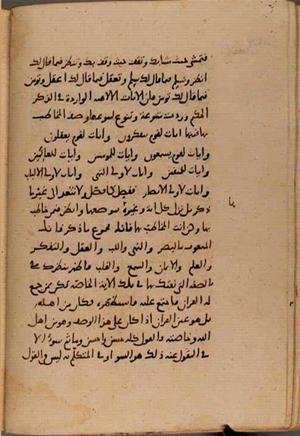
فتمشي حيث مشى بك، وتقف حيث وقف بك، وتنظر فيما قال لك: «انظر»، وتسلم فيما قال لك: «سلم»، وتعقل فيما قال لك: «اعقل»، وتؤمن فيما قال لك: «آمن».

فإن الآيات الإلهية الواردة في الذكر الحكيم وردت متنوعة، وتنوع لتنوعها وصف المخاطب بها؛ فمنها آيات ﴿لِقَوْمٍ يَتَفَكَّرُونَ﴾ [الروم: ٢١]، وآيات ﴿لِقَوْمٍ يَعْقِلُونَ﴾ [الروم: ٢٤]، وآيات ﴿لِقَوْمٍ يَسْمَعُونَ﴾ [الروم: ٢٣]، وآيات ﴿لِلْمُؤْمِنِينَ﴾ [الجاثية: ٣]، وآيات ﴿لِلْعالِمِينَ﴾ [الروم: ٢٢]، وآيات ﴿للمتقين﴾ [البقرة: ٢] وآيات ﴿لِأُولِي النُّهى﴾ [طه: ٥٤، ١٢٨]، وآيات ﴿لِأُولِي الْأَلْبابِ﴾ [آل عمران: ١٩٠]، وآيات ﴿لأولي الأبصار﴾ [آل عمران: ١٣؛ النور: ٤٤].

ففصل كما فصل ولا تتعدَّ إلى غير ما ذكر، بل نزل كل آية وغيرها بموضعها، وانظر فيمن خاطب بها وكن أنت المخاطب بها؛ فإنك مجموع ما ذكر، فإنك المنعوت بالبصر والنُّهَى واللب والعقل والتفكر والعلم والايمان والسمع والقلب.

فاظهر بنظرك بالصفة التي نعتك بها في تلك الآية الخاصة، تكن ممن جمع له القرآن فاجتمع عليه فاستظهره؛ فكان من أهله، بل هو عين القرآن إذا كان على هٰذا الوصف، وهو من أهل الله وخاصته؛ فالقول كله حسن وأحسن، وما ثم سوء إلا في المقول عنه ذٰلك هو السوء أو في المتكلم به، ليس في القول.

(القول وما يقع به القبح)
English

You walk where He has led you, stop where He has stopped you, consider what He has told you to consider, surrender concerning what He has told you to surrender, understand what He has told you to understand, and believe what He has told you to believe.

The divine verses in the Wise Remembrance have come in diverse kinds, and with their diversity the description of the one addressed by them has varied. There are verses ‘for a people who reflect’ [al-Rum 30:21], verses ‘for a people who understand’ [al-Rum 30:24], verses ‘for a people who hear’ [al-Rum 30:23], verses ‘for the believers’ [al-Jathiya 45:3], verses ‘for those who know’ [al-Rum 30:22], verses ‘for the wary’ [al-Baqara 2:2], verses ‘for possessors of understanding’ [Ta Ha 20:54, 128], verses ‘for possessors of kernels’ [Al ‘Imran 3:190], and verses ‘for possessors of sight’ [Al ‘Imran 3:13; al-Nur 24:44].

Distinguish as He has distinguished, and do not pass beyond what He has mentioned. Rather, place every verse, and everything else, in its own place. Consider whom He addressed by it, and be yourself the one addressed, for you comprise all that He mentioned. You are the one described by sight, understanding, kernel, reason, reflection, knowledge, faith, hearing, and heart.

In your consideration, manifest the quality by which He described you in that particular verse. You will then be among those for whom the Qur’an has been gathered, who gather themselves upon it and retain it by heart, becoming one of its people. Indeed, one bearing this description is the very Qur’an, and belongs to the people of God and His elect. Thus all speech is good or better; there is no evil except in that concerning which it is said, ‘That is evil,’ or in the one speaking it—not in the speech.

(Speech and That in Which Ugliness Occurs)

Manuscript imageManuscript volume 30 · Page 131

Arabic and English are linked by the same Konya page ID. Page alignment is approximate; consult the manuscript image for verification.

Cairo source reference

Ibn al-Arabi, The Meccan Revelations — Manuscript volume 30 · Page 131 — https://www.futmak.com/english/konya/pages.php?id=8939&text=both