
Futmak · الفتوحات المكية · Meccan Revelations

The Meccan Revelations

Manuscript volume 30 · Page 124

Konya manuscript

Open Arabic sourceOpen English translation

Arabic

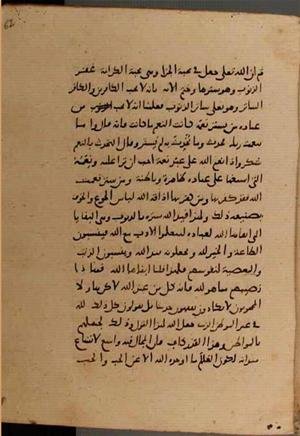
ثم إن الله تعالى جعل في محبة الجزاء ـ وهي محبة الكرامة ـ غفر الذنوب، وهو سترها. وختم الآية بأنه ﴿لا يُحِبُّ الْكافِرِينَ﴾ [آل عمران: ٣٢].

والكافر هو الساتر، وهو تعالى ساتر الذنوب. فعلمنا أنه لا يحب من عباده من يستر نعمه كانت النعم ما كانت.

(التحدث بالنعم)

فإنه قال: ﴿وأَمَّا بِنِعْمَةِ رَبِّكَ فَحَدِّثْ﴾ [الضحى: ١١]. وما تحدث به لم يستر. وقال: «التحدث بالنعم شكر»، و«إذا أنعم الله على عبد نعمة أحب أن ترى عليه».

ونعمه التي أسبغها على عباده ظاهرة وباطنة. ومن ستر نعمة الله فقد كفر بها، ومن كفر بها أذاقه الله ﴿لِباسَ الْجُوعِ والْخَوْفِ﴾ [النحل: ١١٢]، بصنيعه ذٰلك.

(نسبة الطاعة والذنب والأدب)

ولهٰذا قيد الله ستره بالذنوب، وهي البقايا التي أبقاها الله لعباده؛ ليتعلموا الأدب مع الله، فينسبون الطاعة والخير لله ويجعلونه بيد الله، وينسبون الذنب والمعصية لنفوسهم؛ فلهٰذا قلنا أبقاها الله.

فهٰذا نصيبهم مما هو لله؛ فإنه ﴿كل من عند الله﴾ [النساء: ٧٨]، لكن هٰؤلاء المحجوبون ﴿لا يَكادُونَ يَفْقَهُونَ حَدِيثاً﴾، بل يقولون كل ذٰلك لله في غير الموطن الذي جعله الله لهٰذا القول وذٰلك لجهلهم بالمواطن.

وهٰذا القدر كاف فإن المجال فيه واسع؛ لاتساع ميدانه، لكون العالم ما أوجده الله إلا عن الحب، والحب
English

God Most High then places forgiveness of sins, which is their covering, within the love of recompense, the love of honor. He concludes the verse by saying that He “does not love the unbelievers” [Al ʿImran 3:32].

The unbeliever, kāfir, is the one who covers, while He Most High covers sins. We thus know that He does not love those servants who cover His blessings, whatever those blessings may be.

(Proclaiming Blessings)

He said, “As for your Lord’s blessing, proclaim it” [al-Duha 93:11]. What you proclaim you do not cover. He said, “Speaking of blessings is gratitude,” and, “When God bestows a blessing upon a servant, He loves it to be seen upon him.”

The blessings He has lavished upon His servants are outward and inward. Whoever covers God’s blessing has disbelieved in it. Whoever disbelieves in it, God makes him taste “the garment of hunger and fear” [al-Nahl 16:112] through that conduct.

(Attributing Obedience and Sin, and Courtesy)

Hence God confines His covering to sins: the remnants He has left to His servants so that they may learn courtesy toward God, attributing obedience and good to God and placing them in God’s hand, while attributing sin and disobedience to themselves. Hence we say God has left these.

This is their portion of what belongs to God, for “all is from God” [al-Nisa 4:78]. Yet these veiled ones “scarcely understand a discourse.” Rather, they say that all this belongs to God outside the setting in which God placed this saying, because they do not know the settings.

This much suffices. Its range is broad because its field is vast: God brought the world into existence only through love, and love

Manuscript imageManuscript volume 30 · Page 124

Arabic and English are linked by the same Konya page ID. Page alignment is approximate; consult the manuscript image for verification.

Cairo source reference

Ibn al-Arabi, The Meccan Revelations — Manuscript volume 30 · Page 124 — https://www.futmak.com/english/konya/pages.php?id=8932&text=both