
Futmak · الفتوحات المكية · Meccan Revelations

The Meccan Revelations

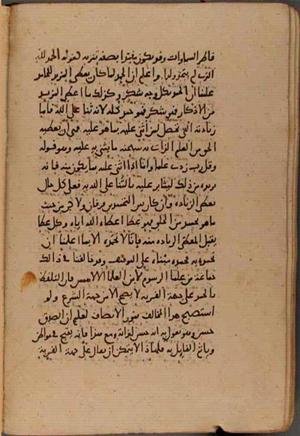
Manuscript volume 30 · Page 93

Konya manuscript

Open Arabic sourceOpen English translation

Arabic

فاطِرِ السَّماواتِ﴾ [فاطر: ١].

وقد يكون مقيدا بصفة تنزيه كقوله: ﴿الْحَمْدُ لِلَّهِ الَّذِي لَمْ يَتَّخِذْ وَلَداً﴾ [الإسراء: ١١١].

(الحمد والشكر والمزيد)

واعلم أن الحمد لما كان يعطي المزيد للحامد، علمنا أن الحمد بكل وجه شكر، وكذٰلك ما أعطى المزيد من الأذكار، فهو شكر، فهو حمد كله؛ لأنه ثناء على الله.

فأما زيادته التي تحصل لمن أثنى عليه بما هو عليه فهي أن يعطيه الحق من العلم الذاتي به سبحانه ما يثني به عليه، وهو قوله: ﴿وقُلْ رَبِّ زِدْنِي عِلْماً﴾ [طه: ١١٤].

وأما إذا أثنى عليه بما يكون منه، فإنه يزيده من ذٰلك ليثابر عليه بالثناء على الله به. فعلى كل حال يعطي الزيادة، وإن كان بين التحميدين فرقان، ولكن من حيث ما هو تحميد من الخلق، فهو عطاء أعطاه الله إياه، وكل عطاء يقبل المعطَى الزيادة منه.

(التوقيف في حمد القربة)

فإنا لا نحمده إلا بما أعلمنا أن نحمده به. فحمده مبناه على التوقيف، وقد خالفنا في ذٰلك جماعة من علماء الرسوم، لا من العلماء الإلهيين؛ فإن التلفظ بالحمد على جهة القربة لا يصح إلا من جهة الشرع.

ولو استصبح هٰذا المخالف بنور الإنصاف، لعلم أن الصدق حسن ـ وهو يقول به إنه حسن لذاته ـ ومع هٰذا فإنه يقبح في مواطن ويأثم القائل به.

فلهٰذا لا يتمكن أن يقال على جهة القربة ـ
English

Originator of the heavens﴾ [Fāṭir 35:1].

It may be restricted by an attribute of declaring transcendence, as in His saying: ﴿Praise belongs to God, who has taken no child﴾ [al-Isrāʾ 17:111].

(Praise, Thanksgiving, and Increase)

Know that since praise gives increase to the one praising, we know that praise in every respect is thanksgiving. Likewise, whatever invocations give increase are thanksgiving, and all are praise, for they are commendation of God.

The increase attained by one who commends Him through what He is upon is that the Real gives him intrinsic knowledge of Him, glorified is He, through which he may commend Him. This is His saying: ﴿Say: “My Lord, increase me in knowledge”﴾ [Ṭā Hā 20:114].

If he commends Him through what proceeds from Him, He increases him in it so that he may persevere in commending God through it. In every state it therefore gives increase, although there is a distinction between the two kinds of praising. Yet insofar as it is praising from creation, it is a gift God has given him, and with every gift the recipient can receive an increase of it.

(Revealed Authorization in the Praise of Drawing Near)

We praise Him only through what He has made known that we should praise Him with. Praising Him is founded upon revealed authorization. A group of scholars of formal learning, not divine scholars, has disagreed with us in this, for uttering praise by way of drawing near is sound only through the Revealed Law.

If this opponent lit his lamp from the light of fairness, he would know that truthfulness is good—and he affirms that it is intrinsically good—yet in certain dwelling places it becomes ugly, and the one uttering it sins.

For this reason it cannot be said by way of drawing near—

Manuscript imageManuscript volume 30 · Page 93

Arabic and English are linked by the same Konya page ID. Page alignment is approximate; consult the manuscript image for verification.

Cairo source reference

Ibn al-Arabi, The Meccan Revelations — Manuscript volume 30 · Page 93 — https://www.futmak.com/english/konya/pages.php?id=8901&text=both